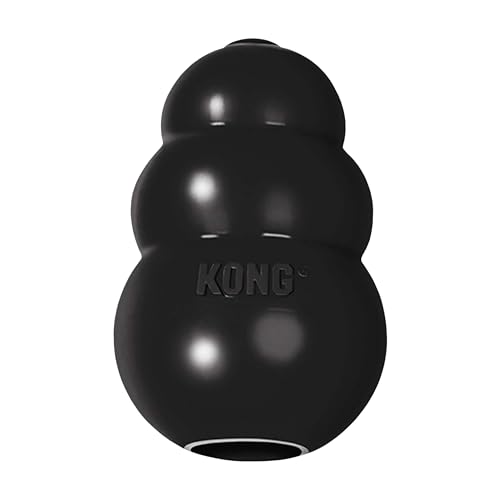
Your dog may ignore toys due to low prey drive, age, or health issues. Try rotating toys, playing interactively, and using treats to build positive associations.
You bought a stuffed squeaky toy, a rope, a ball, and your dog just stares at you as if you are holding a brick. It is frustrating and even a little worrying. Many owners wonder if their dog is broken or if they are doing something wrong. The truth is, toy disinterest is common and often fixable. Our editorial team compared veterinary guidance, dog behavior research, and thousands of buyer reviews to help you understand why your dog might ignore toys and how to spark their natural play instinct.
Why It Happens: Understanding Your Dog's Motivation
Dogs are individuals, just like people. Some are born with a high prey drive, while others could not care less about chasing a squeaky mouse. Age and health also play a big role. A senior dog with arthritis may not want to chase a ball, and a puppy with teething pain might avoid hard toys. Health issues like dental pain, vision problems, or even cognitive decline can also reduce interest in play.
Lack of Prey Drive
Prey drive is the instinct to chase, grab, and shake. Breeds like terriers and retrievers often have strong prey drive, but many dogs, especially those bred for companionship, may not. If your dog never showed interest in toys, they may simply lack this instinct. That does not mean they cannot learn to play, but you may need to adapt your approach.
Age and Physical Condition
Puppies are often too busy teething to play with toys, and seniors may have joint pain or low energy. A dog that used to love toys but now ignores them might be in pain. Always rule out health issues with a vet before assuming it is a behavioral problem.
Boredom and Habituation
If your dog has the same five toys lying around for months, they become boring. Dogs habituate to familiar objects, so a toy that was exciting last month may now be ignored. This is where toy rotation can work wonders.
How to Fix: Practical Steps to Spark Play
Here are proven strategies, based on behaviorist advice and owner experiences, to get your dog interested in toys again. Start with these steps in order, and be patient. Some dogs need more time than others.
- Start with high-value treats. Show your dog a toy, then immediately give them a treat. Repeat several times. This builds a positive association. You can also smear peanut butter (xylitol-free) on a toy to make it more appealing.
- Play interactively. Many dogs prefer playing with you over playing alone. Use a flirt pole, a tug toy, or a ball and make the game exciting. Move the toy like prey, with quick, jerky motions. Let your dog catch it sometimes to keep them motivated.
- Use toy rotation. Keep only 3 to 5 toys out at a time. Every few days, swap them with different ones from a storage bin. This makes old toys feel new again. You can also rotate toys based on your dog's mood, such as a calming chew for relaxation and a squeaky toy for active play.
- Choose toys that match your dog's style. If your dog likes to chew, get durable rubber toys. If they like to chase, try balls or frisbees. If they like to shake, get soft plush toys with squeakers. Observe what your dog naturally does with objects, like carrying shoes or shredding paper, and pick toys that mimic that behavior.
- Make toys smell interesting. Dogs explore the world with their noses. Rub a toy on a treat or use a small amount of bacon grease (if safe) to make it more enticing. You can also hide treats inside puzzle toys to encourage interaction.
- Keep play sessions short and positive. End on a high note before your dog loses interest. Even 5 minutes of play a few times a day is better than a long session that ends in frustration. Always reward your dog with praise or a treat when they engage with a toy.
- Be patient and consistent. Some dogs take weeks to warm up to toys. Do not force your dog to play. Instead, leave toys available and let them explore at their own pace. Celebrate small victories, like sniffing or touching a toy.
When to Replace: Signs You Need New Toys
Sometimes the problem is the toy itself, not your dog. If a toy is worn, damaged, or no longer safe, it is time to replace it. Check for loose parts, torn seams, or squeakers that could be swallowed. Also, if your dog has lost interest in a toy that they used to love, it may be because it no longer works properly, like a squeaker that stopped squeaking.
If you have tried all the strategies above and your dog still shows zero interest in any toy for several weeks, consult your veterinarian. They can check for underlying health issues like dental disease, arthritis, or vision problems. In some cases, a dog may need pain management or a special diet to feel playful again.
Remember, every dog is different. Some dogs simply prefer cuddling over chasing. That is okay. The goal is not to force your dog to play with toys, but to enrich their life. If your dog is happy and healthy, that is what matters most. But with a little patience and the right approach, many toy-averse dogs can learn to enjoy playtime.
