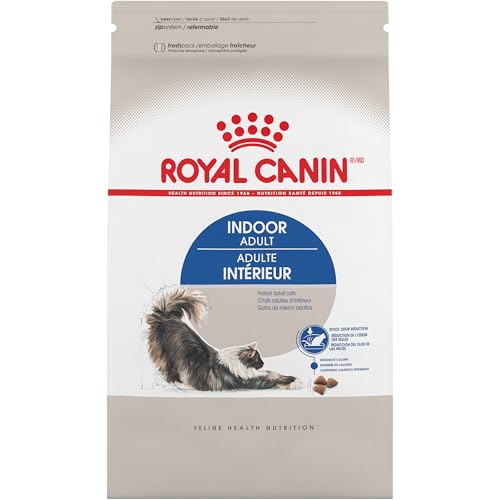
Choosing the right food for your indoor cat is one of the most important decisions you can make for their health and longevity. Indoor cats have different nutritional needs than outdoor cats because they tend to be less active and more prone to obesity, urinary issues, and hairballs. Our editorial team compared specifications, buyer feedback and key decision factors to create this comprehensive guide. Whether you have a kitten, adult, or senior cat, understanding life stage requirements, ingredient quality, and label claims will help you select a food that supports their overall well being.
Understanding Indoor Cat Nutrition
Indoor cats typically have lower energy expenditure than outdoor cats, so their diet should be lower in calories to prevent weight gain. However, they still require high quality protein to maintain muscle mass and essential amino acids like taurine. Fat provides energy and supports skin and coat health, but should be moderate. Fiber aids digestion and helps control hairballs. Carbohydrates should be limited as cats have no dietary need for them. Look for foods that list a named animal protein as the first ingredient and contain a balance of omega-3 and omega-6 fatty acids. For example, a food with chicken as the first ingredient and supplemented with fish oil provides both high quality protein and essential fatty acids. Avoid foods where grains or vegetables appear before any animal protein, as this indicates lower protein quality.
Key Ingredients to Look For
When evaluating cat food, focus on these components:
- Protein: Minimum 30-40% on a dry matter basis from named sources like chicken, turkey, or fish. Avoid generic 'meat meal'. For example, 'chicken meal' is a concentrated form of chicken that contains about 65% protein, while 'meat meal' could be from any animal and may include low quality parts.
- Fat: Around 15-20% for indoor cats. Sources like chicken fat or fish oil provide essential fatty acids. Chicken fat is rich in linoleic acid, while fish oil provides EPA and DHA for skin and coat health.
- Fiber: 2-5% crude fiber helps with digestion and hairball control. Ingredients like beet pulp, pumpkin, or psyllium are beneficial. Beet pulp is a common source that also provides prebiotic fibers.
- Moisture: Wet food (70-85% moisture) can help with hydration and urinary health. Dry food has about 10% moisture. Cats have a low thirst drive, so wet food can be especially beneficial for preventing urinary tract issues.
- Vitamins and Minerals: Look for taurine, vitamin E, vitamin B complex, and chelated minerals for better absorption. Taurine is essential for heart and eye health, and must be supplemented in all commercial cat foods.
Special Needs: Hairball, Urinary, Weight
Indoor cats often require specialized formulas:
- Hairball Control: Foods with increased fiber (3-8%) help move hair through the digestive tract. Look for psyllium seed husk, cellulose, or beet pulp. For example, a food with 5% crude fiber and added psyllium can significantly reduce hairball formation.
- Urinary Health: Formulas that maintain proper pH and low magnesium levels can reduce the risk of crystals and stones. Increased moisture from wet food is also beneficial. Ingredients like cranberry extract may help support urinary tract health.
- Weight Management: Lower calorie foods (around 300-350 kcal per cup) with higher protein and moderate fat help indoor cats maintain a healthy weight. L-carnitine can aid fat metabolism. For example, a weight management formula might have 35% protein, 15% fat, and 5% fiber to promote satiety.
How to Read Cat Food Labels
Understanding labels is crucial. Follow these steps:
- Check the ingredient list: Ingredients are listed by weight. The first few should be named animal proteins or meals. Avoid foods with corn, wheat, soy, or artificial preservatives as primary ingredients. For instance, if corn is the second ingredient, the food contains more corn than most other ingredients.
- Look for the AAFCO statement: This indicates the food is nutritionally complete for a specific life stage (e.g., 'growth', 'maintenance', 'all life stages'). The statement should say something like 'Animal feeding tests using AAFCO procedures substantiate that this food provides complete and balanced nutrition.'
- Analyze guaranteed analysis: Compare protein, fat, fiber, and moisture percentages. For dry food, convert to dry matter basis by subtracting moisture and recalculating. For example, if a dry food has 10% moisture and 30% protein, the dry matter protein is 30 / (100-10) * 100 = 33.3%.
- Check calorie content: Usually listed as kcal per cup or per kg. Use this to portion control. For example, a 10 lb indoor cat may need about 200-250 kcal per day, so you can measure accordingly.
- Identify marketing claims: Terms like 'natural', 'premium', or 'holistic' are not regulated. Focus on actual ingredients and nutritional adequacy. For example, 'natural' may mean no artificial additives, but it doesn't guarantee quality.
Checklist for Evaluating Brands
Use this checklist when comparing cat food brands:
- Named animal protein as first ingredient
- Protein content 30-40% (dry matter)
- Moderate fat (15-20% dry matter)
- Fiber 2-5% (or higher for hairball control)
- Includes taurine and essential fatty acids
- No artificial colors, flavors, or preservatives
- AAFCO statement for appropriate life stage
- Positive reviews from other indoor cat owners
- Brand history of recalls or quality issues (research online)
- Price per serving within your budget
Life Stage Considerations
Indoor cats have different nutritional needs at each life stage. Kittens require more protein and calories for growth, with about 40-50% protein and 20-30% fat on a dry matter basis. They also need DHA for brain development. Adult indoor cats need maintenance formulas with moderate protein and fat to prevent obesity. Senior cats (age 7+) may benefit from lower phosphorus levels to support kidney health, and added joint supplements like glucosamine and chondroitin. Some senior formulas also include antioxidants to support immune function. Always choose a food that matches your cat's current life stage, as all life stage foods may not be appropriate for seniors due to higher phosphorus or calorie content.
By following this guide, you can confidently select a cat food that meets your indoor cat's nutritional needs and supports their health at every stage of life. Always consult your veterinarian before making significant dietary changes, especially if your cat has a medical condition.