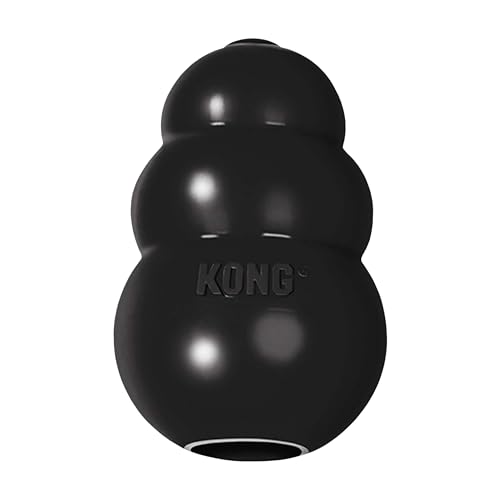
Choosing the right dog toy can feel overwhelming with so many options on the market. But the perfect toy isn't about the latest trend, it's about matching the toy to your dog's unique needs. Our editorial team compared specifications, buyer feedback, and key decision factors to help you make an informed choice.
Why Toys Matter
Toys are more than just fun. They provide mental stimulation, physical exercise, and emotional comfort. A well-chosen toy can prevent destructive behaviors like chewing on furniture or excessive barking. It also strengthens the bond between you and your dog through interactive play. For example, a puzzle toy that dispenses treats can keep a bored dog occupied for hours, reducing anxiety and preventing unwanted behaviors. Similarly, a sturdy tug toy can provide a healthy outlet for a dog's natural prey drive, turning a potentially destructive habit into a fun game.
However, the wrong toy can be dangerous. A toy that's too small can be a choking hazard, while one that's too hard can damage teeth. That's why understanding your dog's size, age, and habits is the first step. Additionally, consider your dog's health conditions. For instance, dogs with dental issues may need softer toys, while those with joint problems may benefit from toys that encourage gentle movement rather than high-impact jumping.
Key Factors to Consider
Size
Size matters for safety and enjoyment. A toy that's too small can be swallowed, and one that's too large may be hard to carry. For example, a Chihuahua needs a small, soft toy, while a Labrador needs a larger, tougher one. Always check the manufacturer's size recommendation. Measure your dog's mouth and choose toys that are appropriately sized. A good rule is that the toy should be larger than your dog's mouth to prevent accidental swallowing. For puppies, choose toys that are appropriately sized for their growing jaws, and replace them as they grow.
Age
Puppies have different needs than adult dogs. Puppies are teething and need soft, flexible toys that soothe gums. Look for toys made of soft rubber or fabric that can be chilled in the freezer for extra relief. Seniors may have weaker jaws and prefer softer toys that are easy to chew. They may also have less energy, so interactive toys that require minimal physical effort but provide mental stimulation are ideal. Adult dogs often need durable toys that withstand vigorous play, especially if they are active breeds.
Chewing Habits
Consider how your dog chews. Aggressive chewers need heavy-duty toys made of rubber or nylon. Light chewers can enjoy plush toys. If your dog is a shredder, avoid toys with stuffing and look for reinforced seams. Some dogs are 'power chewers' who can destroy a toy in minutes, so you may need to invest in extra-tough toys like those made from natural rubber or with a warranty. Observe your dog's chewing style: do they gnaw slowly or tear apart? This will guide your choice.
Play Style
Does your dog love to fetch, tug, or solve puzzles? Match the toy to their preferred activity. Retrievers enjoy fetch toys, terriers like to chase, and herding breeds may enjoy puzzle toys that challenge their minds. For example, a Border Collie might excel at a puzzle toy that requires sliding pieces to reveal treats, while a Pit Bull might prefer a sturdy tug rope. If your dog is highly energetic, consider toys that encourage running and jumping, like a flying disc. If they are more laid-back, a treat-dispensing toy can provide quiet entertainment.
Types of Dog Toys
Chew Toys
Chew toys satisfy the natural urge to chew and promote dental health. They come in various materials: rubber (like Kong), nylon (like Nylabone), and edible options (like rawhide alternatives). Choose based on your dog's chewing intensity. Rubber toys are durable and can be stuffed with treats or peanut butter for added interest. Nylon toys are very hard and ideal for power chewers, but they may be too hard for some dogs. Edible chews are digestible but may not last long, and they can be high in calories, so monitor your dog's intake. Always supervise your dog with any chew toy to ensure they don't break off large pieces.
- Rubber toys: durable, good for stuffing with treats
- Nylon toys: very hard, ideal for power chewers
- Edible chews: digestible but may not last long
Interactive Toys
Interactive toys, such as puzzle feeders and treat-dispensing balls, keep your dog mentally engaged. They are perfect for rainy days or when you're away. Start with simple puzzles and increase difficulty as your dog learns. For example, a basic treat-dispensing ball can be rolled around to release kibble, while a more complex puzzle might require sliding panels or lifting lids. These toys can help reduce separation anxiety and prevent boredom. However, be sure to choose toys that are easy to clean and made of non-toxic materials.
Fetch Toys
Fetch toys include balls, frisbees, and launchers. They encourage exercise and are great for outdoor play. Look for high-visibility colors and floating options for water play. Always supervise fetch to prevent accidents. For example, a tennis ball can be a choking hazard if it becomes soggy and breaks apart, so consider using rubber balls designed for dogs. A frisbee should be made of soft, flexible material to avoid injuring your dog's mouth. If you have a dog that loves to run, a ball launcher can help you throw longer distances without straining your arm.
Plush Toys
Plush toys offer comfort and are great for cuddling. They are not suitable for aggressive chewers. Look for reinforced stitching and avoid small parts like plastic eyes that can be chewed off. Some plush toys have a squeaker, which can be enticing but also a hazard if swallowed. For gentle chewers, these toys can provide a sense of security and companionship. Consider buying plush toys with minimal stuffing or those that are specifically designed to be tough, with double-stitched seams and no loose parts.
Safety Tips
Safety should always come first. Here are some essential tips:
- Supervise play with new toys to see how your dog interacts.
- Inspect toys regularly for damage and discard broken ones.
- Choose toys that are appropriately sized for your dog.
- Avoid toys with small parts that can be swallowed.
- Rotate toys to keep your dog interested and prevent boredom.
Remember, no toy is indestructible. Even heavy-duty toys can wear down over time. Always check the current price on Amazon and read recent reviews to see how other owners' dogs have handled the toy. Additionally, consider your dog's individual chewing style and adjust accordingly. If you notice your dog is losing interest in a toy, it may be time to introduce a new one or bring back a favorite from rotation.
Frequently Asked Questions
What is the best toy for a heavy chewer?
Look for durable rubber or nylon toys designed for power chewers, such as Kong Extreme or Goughnuts. Avoid toys with soft stuffing or thin plastic that can be destroyed quickly. For the most aggressive chewers, consider toys made from tough natural rubber or reinforced nylon, and always supervise the first few uses to ensure the toy holds up.
How often should I replace my dog's toys?
Inspect toys regularly and replace them as soon as you see cracks, tears, or loose parts. A good rule is to check weekly and replace any toy that shows significant wear. For heavy chewers, check more frequently, even daily if they are particularly destructive. If a toy breaks into pieces, remove it immediately to prevent swallowing.
Are interactive toys good for all dogs?
Interactive toys are great for most dogs, but choose difficulty based on your dog's experience. Start with simple puzzle toys and gradually increase complexity to avoid frustration. For puppies or senior dogs, choose larger, easier puzzles. For working breeds, you can use more challenging puzzles that require multiple steps to access treats.
What should I do if my dog swallows a piece of a toy?
If your dog swallows a piece of a toy, contact your veterinarian immediately. Watch for signs of distress such as vomiting, lethargy, or loss of appetite. To prevent this, always supervise play and choose toys that are too large to swallow. Avoid toys with small parts that can be chewed off.
Can I give my dog a toy that is meant for a larger breed?
It is generally not recommended to give a toy meant for a larger breed to a small dog, as it may be too heavy or difficult to carry. However, a larger toy can be safe if it is not too heavy and your dog can handle it. Always check the manufacturer's size recommendations and observe your dog's interaction.
In summary, the right toy depends on your dog's individual needs. By considering size, age, chewing habits, and play style, you can select toys that are safe, fun, and beneficial. Always prioritize safety and enjoy the time spent playing with your furry friend.
