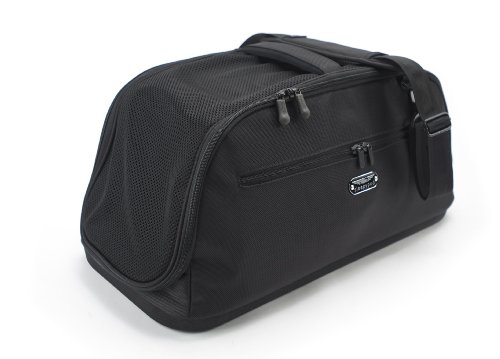
Clean fabric carriers with mild detergent and water; plastic carriers with vinegar solution; mesh with a soft brush. Always air dry completely.
Pet carriers get dirty fast. Hair, drool, urine, and food stains can build up and create unpleasant odors. Cleaning your carrier regularly not only keeps it fresh but also extends its life. Different materials require different methods. Our editorial team compared specifications, buyer feedback and key decision factors to bring you this practical guide.
Why Pet Carriers Get Dirty and Smelly
Pet carriers are enclosed spaces where your pet spends time during travel, vet visits, or trips. Stress can cause accidents like urination or vomiting. Hair and dander accumulate quickly. Moisture from spills or humidity can lead to bacterial growth and odors. Without regular cleaning, these issues worsen and may even affect your pet's health.
How to Clean Different Carrier Materials
Fabric Carriers (Nylon, Polyester, Canvas)
Fabric carriers are popular for their lightweight and soft sides. They absorb odors and stains easily. Follow these steps:
- Remove all accessories like pads, straps, and toys. Shake out loose hair and debris.
- Pre-treat stains with a mixture of mild dish soap and water. Gently scrub with a soft brush.
- Machine wash if the label allows. Use cold water and a gentle cycle. Add a cup of white vinegar to the rinse cycle to neutralize odors.
- Air dry completely. Do not use a dryer as heat can shrink or damage the fabric.
- For stubborn urine smells, soak the carrier in a solution of baking soda and water for 30 minutes before washing.
Plastic Carriers (Hard-Sided)
Plastic carriers are easy to wipe down but can trap odors in crevices. Here is how to clean them:
- Remove any bedding or padding. Take out the plastic tray if possible.
- Wash with a mixture of warm water and mild detergent. Use a sponge or soft cloth to scrub all surfaces, including corners and ventilation slots.
- For urine smells, use a 50/50 solution of white vinegar and water. Let it sit for 10 minutes, then scrub and rinse.
- Rinse thoroughly with water to remove any soap residue.
- Dry with a clean towel and leave the carrier open in a sunny spot. Sunlight helps kill bacteria and remove odors.
Mesh Carriers (Soft-Sided with Mesh Panels)
Mesh panels are delicate and can tear if scrubbed too hard. Cleaning requires care:
- Vacuum the mesh with a brush attachment to remove hair and dust.
- Mix a small amount of mild detergent with water. Dip a soft cloth or sponge into the solution and gently dab the mesh. Do not scrub aggressively.
- For stains, use a baking soda paste (baking soda mixed with a little water). Apply to the stain, let it sit for 15 minutes, then wipe away.
- Rinse by wiping with a damp cloth (no soap).
- Air dry in a well-ventilated area. Avoid direct heat as it can warp the mesh.
Removing Pet Hair from Carriers
Pet hair clings to fabric and mesh. Here are effective methods:
- Lint roller: Quick and easy for fabric and mesh. Roll over the surface to pick up hair.
- Damp rubber glove: Wipe the glove over the carrier. The rubber creates static that attracts hair.
- Vacuum with brush attachment: Works well on all materials. Use a low suction setting for mesh.
- Dryer sheet: Rub a used dryer sheet over the carrier to loosen hair and reduce static.
Removing Urine Smells and Stains
Urine contains ammonia and bacteria that cause strong odors. Follow these steps for all carrier types:
- Blot up fresh urine with paper towels. Do not rub as it spreads the stain.
- Apply an enzymatic cleaner specifically designed for pet urine. These break down the proteins in urine. Let it sit for the time specified on the label.
- For a homemade solution, mix 1 part white vinegar with 1 part water. Spray onto the affected area and let it sit for 10 minutes. Blot dry.
- Sprinkle baking soda over the area after cleaning. Let it sit overnight to absorb remaining odors. Vacuum the next day.
- For plastic carriers, soak the entire carrier in a vinegar solution if the smell persists.
When to Replace Your Pet Carrier
Even with regular cleaning, carriers wear out. Replace your carrier if:
- The fabric is torn or the mesh is ripped. This can allow your pet to escape.
- The plastic is cracked or the hinges are broken. This compromises safety.
- Odors persist despite repeated cleaning. Bacteria may be embedded deep in the material.
- The carrier no longer meets airline or travel requirements.
Check the current price on Amazon for replacement carriers that fit your needs.
Regular cleaning keeps your pet carrier fresh and safe. Use the right method for your carrier material and always dry thoroughly. With these tips, you can remove pet hair, urine smells, and stains easily.