If you want one hammer that handles the widest range of real jobs, the ESTWING 20 oz Framing Hammer is the pick we point most people to first. Its one piece forged steel body removes the single most common hammer failure, a loose or split handle, and a 20 oz head lands in the sweet spot between driving power and everyday control. From there, the right hammer really depends on the work, so this guide sorts honest options for framing, finish carpentry, metalwork, and demolition.
Our pick of the best hammers
A hammer is one of those tools where the differences look small on a listing and feel enormous in the hand. Weight, face texture, claw shape, and handle material each change how a hammer behaves, and the best choice for a finish carpenter is almost useless to someone breaking up a concrete path. Rather than crown one winner for everyone, we picked a short lineup that covers the jobs most people actually face around a home or a small shop.
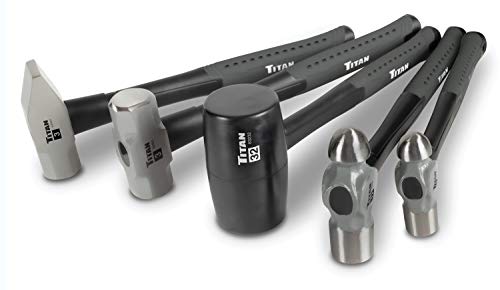
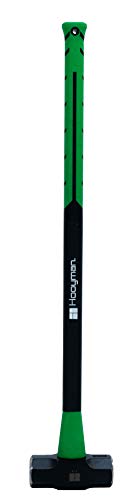
The ESTWING 20 oz framing hammer leads because it is the most versatile single tool here, equally at home building a deck or hanging a gate. For trim and cabinetry, a smooth face rip hammer protects the surfaces you care about. A budget friendly fiberglass claw hammer covers the household drawer. And when the task turns to demolition, a heavy sledge, a compact club hammer, and a mid weight outdoor sledge each have a clear lane. A ball pein set rounds things out for metalwork that would quickly damage a nail hammer.
How we picked
We select from hammers that are currently listed and available on Amazon, and we compare them on published specifications and documented features rather than hands on wear testing. We have not physically swung and worn out every unit on this page, and we will not pretend otherwise. What we can do is read the specifications carefully, weigh head mass against intended use, check handle construction and grip design, and match each tool to the job it is honestly built for.
Our ranking favors tools whose design matches a clear purpose, whose construction addresses the usual failure points, and whose weight and balance suit the stated task. Where a tool is a specialist, such as a ball pein set or a demolition sledge, we say so plainly instead of implying it is a do everything hammer. Editorial ratings reflect how well each tool fits its intended role based on its specifications, not a laboratory score.
What to look for in a hammer
Head weight. Head weight is the first number that matters, and it is usually given in ounces for nail hammers and pounds for sledges. A 16 oz head is the classic all rounder for general and finish work, while 20 oz and up adds driving power for framing at the cost of more fatigue over a long day. For demolition, you move into the multi pound range, where mass does the work and control becomes the trade off.
Claw type. Nail hammers come with either a curved claw or a straight rip claw. A curved claw gives better leverage for pulling nails, which suits general repair and household use. A straight rip claw is built to pry boards apart and tear out old material, which is why framers and remodelers tend to prefer it. Sledges and ball pein hammers have no claw at all, because their job is pure striking.
Handle material. Handles come in steel, fiberglass, or wood, and each has a personality. One piece steel is nearly indestructible and never works loose, but it transmits more shock. Fiberglass flexes slightly, resists weather, and dampens vibration well, though it can crack if abused for prying. Wood is traditional, comfortable, and easy to replace, but it can dry out, loosen, or split over time if it is neglected.
Anti vibration. Repeated impact is hard on hands, wrists, and elbows, so shock control is more than a comfort feature. Molded shock reduction grips, shock absorbing handle cores, and fiberglass flex all aim to blunt the feedback that reaches you on every strike. If you expect to swing a hammer for hours rather than minutes, prioritize a design that is built to soften that impact.
Face type. The striking face is either smooth or milled. A smooth face is the right call for finish work and visible surfaces, because it sets nails without leaving marks. A milled, or checkered, face grips the nail head to reduce glancing blows, which helps on framing where speed matters more than appearance but will leave a waffle print on anything delicate.
A quick word on safety
Whatever hammer you choose, treat it with respect. Wear eye protection, because struck nails, chips of hardened steel, and fragments of masonry can fly without warning. Before each session, check that the head is secure on the handle and that there are no cracks, splinters, or mushrooming on a striking face, since a loose or damaged head is genuinely dangerous. Finally, use the right hammer for the job. A nail hammer is not a pry bar, a ball pein is not for finish nails, and a smooth faced finish hammer should not be swung at masonry. Matching the tool to the task keeps both you and your work in good shape.
The bottom line
For most people, a quality 20 oz framing hammer like the ESTWING is the one tool to own first, with a smooth face finish hammer added when you start caring about trim. If your work leans toward demolition and property upkeep, build around a heavy sledge and a compact club hammer instead. For more on specific categories, browse our hammers hub and the wider tools and home improvement section. Pick the tool that matches your real work, keep it maintained, and it will outlast nearly everything else in the box.