If you want one shop vac that handles the widest range of garage and home jobs without fuss, the STANLEY SL18115P 5 Gallon Wet Dry Vacuum is our top overall pick. It pairs a five gallon tank with a listed four peak horsepower motor, a fifteen foot cleaning range, and a three in one wet, dry, and blower design, which covers most of what a home workshop actually throws at it. The sections below explain how we chose, what the key specifications really mean, and which vacuum suits each kind of job.
Our top picks: shop vac
A shop vac is the workhorse you reach for when a regular household vacuum would simply give up. Sawdust, drywall grit, nuts and bolts, spilled coffee, a flooded basement corner, the leaves blown into the garage: a good wet and dry vacuum swallows all of it and then doubles as a blower when you flip the hose to the exhaust port. The trouble is that the category is crowded, and two machines with nearly identical box art can behave very differently once you read the fine print on tank size, motor rating, and what actually comes in the box.
Our shortlist spans small grab and go units for cars and tight corners, mid size five gallon all rounders for the typical home garage, and a large twelve gallon machine built for contractors who fill a tank quickly. We also singled out a cordless option for anyone working away from an outlet and an ultra quiet model for finished spaces where a screaming motor is a problem. The goal was range, so that whatever your main use case is, one of these picks lines up with it rather than forcing a compromise.
The STANLEY SL18115P earns the top spot because it balances capacity, power, reach, and included attachments better than anything else on the list for everyday use. If your needs skew larger or smaller, read on, because the right answer changes with the job.
How we evaluated these products
We want to be straight with you about method. We build these roundups by selecting from current Amazon listings and comparing them on the features and specifications the manufacturers publish, such as tank capacity, peak horsepower rating, filtration type, hose length, included accessories, and portability. We read the listing claims, cross check them across similar models, and weigh them against the jobs real buyers describe. We have not physically tested every unit in a lab, and we do not pretend to have run each one through a controlled bench trial.
What that means in practice: our rankings reflect how well each machine is specified and positioned for a given use, not a stopwatch measurement of suction we took ourselves. Peak horsepower and airflow figures in particular are listing claims, and we treat them as comparison points between models rather than guaranteed performance numbers. Where a spec is missing or vague on a listing, we say so rather than inventing a figure. This keeps the guide honest and lets you make the final call with clear eyes.
We also favor machines from brands with a long track record in this category and listings that are transparent about what is and is not included, because a vacuum sold as a bare tool with no battery is a very different purchase from a complete kit, even when the headline looks the same.
What to look for in shop vac
Tank capacity in gallons. This is the single most practical number. A two to two and a half gallon tank is light and easy to carry up stairs or into a car, but you will empty it often. A four to five gallon tank is the sweet spot for most home garages, holding a decent amount of debris while staying maneuverable. A ten to twelve gallon drum is for workshops and jobsites where stopping to empty the tank wastes real time. Bigger tanks also mean a bigger footprint, so measure your storage space before you commit.
Wet and dry capability. Nearly every machine here is a true wet and dry vacuum, meaning you can pull up liquids as well as dust once the dry filter is removed or swapped per the instructions. If you expect to vacuum water, standing spills, or a damp basement, confirm the tank and float mechanism are rated for it, and remember that wet pickup usually requires taking the paper or cartridge filter out first.
Peak horsepower and airflow as listed. Peak horsepower is the figure most listings shout about, and it describes a momentary motor peak rather than the sustained pull you feel at the nozzle. Use it to compare models in the same family, not as an absolute promise. Airflow, usually given as cubic feet per minute, and sealed suction, given as lift, are better guides to real cleaning power when a listing provides them. Treat all of these as listing claims and read them together rather than fixating on one big number.
Hose, cord, and attachments. A longer hose and power cord dramatically increase your working range, which is why a fifteen foot cleaning reach stands out on our top pick. Check which nozzles, wands, and brushes are included, since a crevice tool, a wide floor nozzle, and a brush head cover most tasks. A car detailing job wants a flexible hose and fine attachments, while a workshop wants a sturdy wide nozzle for bulk pickup.
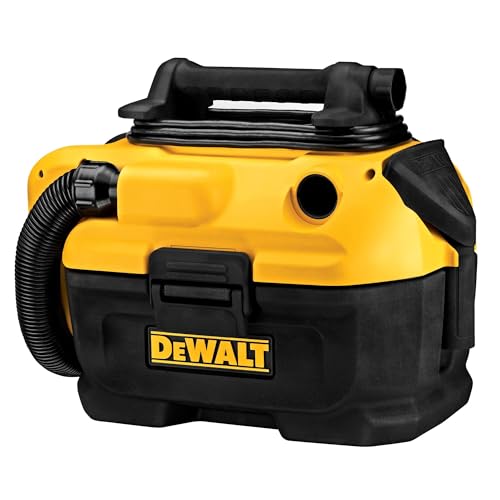
Filtration. The filter determines how much fine dust the vacuum traps versus blows back into the room. A standard cartridge filter is fine for coarse debris, while a HEPA rated filter, like the one on our cordless pick, captures much finer particles and matters if you sand, cut drywall, or are sensitive to dust. Foam filters are used for wet pickup. Confirm replacement filters are easy to find before you buy.
Portability and mounting. Think about how you will move and store the machine. Casters help you roll a heavier drum around, a top carry handle and a compact body make small units genuinely portable, a cordless design frees you from the nearest outlet, and a wall mount option keeps a unit off the floor in a tidy garage. The best choice depends on whether the vacuum lives in one spot or follows you from room to room and job to job.
The bottom line
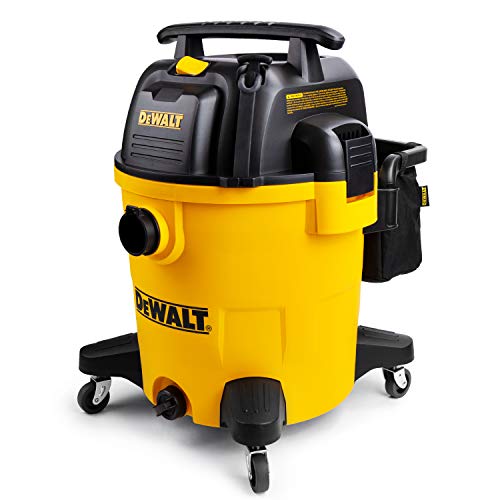
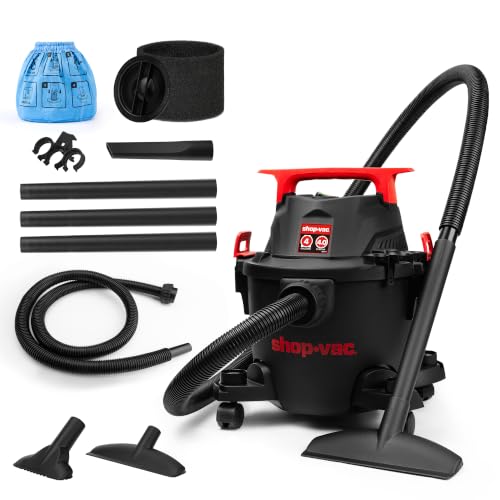
For most people, the STANLEY SL18115P hits the balance of capacity, reach, and versatility that makes a shop vac a pleasure rather than a chore. Go bigger with the twelve gallon DEWALT if you fill tanks fast, smaller and lighter with the compact Shop-Vac if budget and portability lead, cordless if an outlet is never close, or ultra quiet if noise is the dealbreaker. Match the tank size and attachments to your real jobs and any of these will serve you well. For more category picks, see our best power tools guide.