An editorial overview of the Garosa plunge router base
This is an editorial, spec-based review of the Garosa aluminum alloy plunge router base, written from the product listing and the published specifications rather than from any hands-on use. We have not tried this base, mounted it on a router, or run any cuts with it, so everything below is framed around what the maker describes on paper and how those claims are designed to work in practice.
The single most important thing to understand before anything else is what this product actually is. It is an accessory base, not a router. There is no motor, no collet, and no switch in the box. Instead, the Garosa base is a replacement sub-base with a plunge mechanism that is designed to attach to a compatible compact or trim router you already own. The appeal is simple: a lot of woodworkers love the small size and light weight of a trim router but wish it could plunge like a full-size plunge router. A base like this is pitched as a way to add that plunge motion, along with a dust collection cover, without buying a second machine.
Because it is an accessory, compatibility is the whole game. If it does not clamp around your router's body correctly, none of the other features matter. We will come back to that point repeatedly, because it is the one place where a cheap, promising accessory can turn into a drawer ornament.
What it is
The Garosa unit is an aluminum alloy plunge base that is designed to convert, or add plunge capability to, a compatible trim router. In normal use a trim router sits at a fixed depth that you set by sliding the motor up or down in a round base. A plunge base changes that: the router rides on spring-loaded posts so you can push it straight down into the workpiece, cut to a set depth, and let it rise back up. That plunge action is what makes operations like stopped dados, inlay pockets, mortises, and interior cutouts much easier and safer to start.
On top of the plunge function, this base adds a dust collection cover with a port that is meant to connect to a shop vacuum or extractor, so fine router dust is pulled away from the cut instead of coating the work and the air around it. The listing also presents it as usable as a dust extraction accessory in CNC and woodworking contexts. The body is aluminum alloy, which is the material you would expect for a base that needs to stay flat and rigid while a spinning bit does the work.
Key features per listing
Here is what the manufacturer claims for the base. These are listing specifications, not measurements we verified.
- Plunge mechanism: spring-loaded plunge posts that let a mounted trim router move vertically into the cut and return, adding plunge capability the bare router does not have on its own.
- Depth adjustment: an adjustable depth setup so you can set and repeat a cutting depth. The exact depth range is a listing claim, so treat the numbers on the product page as the maker's figures to confirm, not as something we checked.
- Dust collection cover and port: a cover with a dust port designed to connect to a vacuum hose and draw chips and fine dust away from the bit.
- Aluminum alloy build: a metal base intended to stay flat and hold the router rigidly rather than flexing under load.
- Router fitment: it is described as a base for compact or trim routers. The crucial detail is which router bodies it actually clamps, which the listing addresses and which you must match to your own machine.
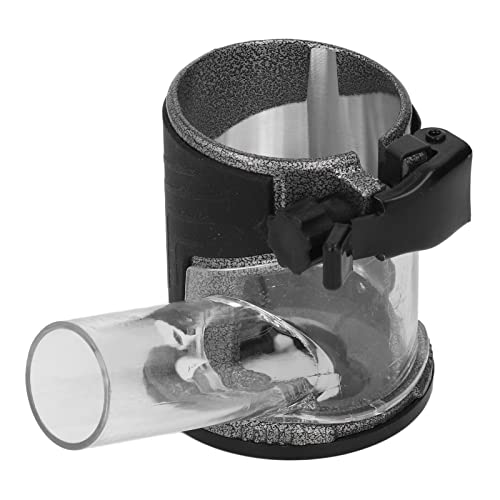
Garosa Aluminum Alloy Plunge Router Base with Dust Collection Cover
An aluminum plunge base accessory designed to add plunge depth control and dust extraction to a compatible trim or compact router. Confirm it fits your exact router model.
Check price on AmazonWho it is for
This base is aimed at a fairly specific person: someone who already owns a compact or trim router whose body matches what this base is built to hold, and who wants plunge cuts plus dust collection without stepping up to a dedicated plunge router. If that describes you, an accessory base is designed to be the cheaper, lighter, and more compact route to plunge work.
It also suits hobbyists and small-shop woodworkers doing inlays, hinge mortises, sign work, stopped grooves, and light pocket cuts, where the one-handed convenience of a trim router is a plus and the dust port keeps a bench or a CNC area cleaner. Owners of a CNC or trim setup who want a tidier dust path may find the extraction cover appealing on paper as well.
It is not for someone without a compatible router, and it is not a substitute for a heavy-duty plunge router on big, deep, production cuts. If you do not already own a trim router, or you are not certain your router matches, this is not the starting point.
Strengths on paper
On paper the pitch is coherent. A plunge base turns a tool many woodworkers already own into a more versatile one, so the value proposition is strong when fitment lines up. The aluminum alloy construction is the right idea for a base that needs to stay flat and rigid. The built-in dust collection cover is a genuinely useful inclusion, since routing is one of the dustiest jobs in the shop and many budget bases skip extraction entirely. Adjustable depth, as described, is what makes repeatable, controlled cuts possible. And the compact accessory format keeps the whole kit light and storable compared with adding a second full-size machine.
Things to check before you buy
This is the section that matters most, and it is where an accessory stands or falls.
- Confirm fitment with your exact router model. This is non-negotiable. Trim and compact routers vary in body diameter and shape. Before buying, match the base's stated compatibility against your specific router make and model. If the listing does not clearly name your router, ask the seller or look for the motor-body diameter it accepts. A base that does not clamp your router securely is unusable and potentially unsafe.
- Depth range. The usable plunge depth is a listing claim. Check the stated range against the depth of the cuts you actually make, and remember that bit length and router seating affect real-world reach.
- Dust port hose size. Confirm the port diameter matches your shop vacuum or extractor hose, or that a common adapter exists. A mismatched port is a frequent, avoidable annoyance.
- Build quality and tolerances. Because we are going on the listing only, the fit and finish, the smoothness of the plunge action, and how securely it locks are things you should read current buyer feedback on. Aluminum alloy is promising, but casting quality and hardware vary between budget accessories.
How it compares
The real comparison is not against another accessory but against buying a dedicated plunge router. A dedicated plunge router is a single, purpose-built machine with a motor matched to its base, typically more plunge depth, more power, and a mechanism engineered as one unit. It is the stronger choice for deep, repeated, or heavier plunge work, and it removes the compatibility question entirely.
Adding a plunge base to a trim router goes the other way. It is lighter, more compact, usually cheaper, and lets you keep using a tool you already like for freehand work. The trade-offs are that you are limited by the small router's power and the base's depth range, and you take on the fitment risk a dedicated machine never has. For a hobbyist doing light, precise work who already owns the right trim router, the accessory path makes sense. For someone who plunges hard and often, a dedicated plunge router is the more dependable tool.
Verdict
Judged purely on its listing and specifications, the Garosa aluminum plunge router base is a sensible-looking accessory with a clear purpose: give a compatible trim router a plunge mechanism, depth adjustment, and dust collection in one aluminum unit. If you own a matching compact router and want to add plunge capability without buying a second machine, the concept is a good fit, and the included dust cover is a practical bonus many rivals leave out. The entire decision, though, rests on fitment and on current buyer feedback about build quality, since we are reviewing this from paper and not from hands-on use. Confirm your router is supported, check the depth range and port size, and if everything lines up you can look at this Garosa plunge base on Amazon to compare its specifications and current listing details for yourself.
Safety and compatibility note. This is an accessory base, not a router, so it only works with a compatible compact or trim router that you must confirm fits your exact model before buying. Compatibility and depth range figures are listing claims. When routing, wear eye protection, unplug the router before changing bits or adjusting the base, keep hands clear of the bit, and follow your router maker's guidance for mounting accessories and setting depth.
Disclosure: this is an editorial, listing-based review and we have not personally tested or used this product. As an Amazon Associate we may earn from qualifying purchases made through links on this page, at no extra cost to you. Specifications and compatibility are the manufacturer's claims from the product listing. Always confirm fitment with your specific router model before purchasing.