The PRORUN PBB3000 is a gas powered backpack leaf blower built for people who move a lot of leaves and debris across a lot of ground. This is an editorial overview based on the current Amazon listing and the published specifications, not a hands on review, so everything below describes what the manufacturer and the listing claim rather than results from our own yard. We have not operated this unit, and nothing here should be read as a safety endorsement. If you are weighing a serious gas backpack unit for heavy seasonal cleanup, this walk through explains how to read its spec sheet and what to confirm before you commit.
What it is
The full listing name is the PRORUN PBB3000 Gas Backpack Leaf Blower, 79.9cc Commercial-Grade, 250 MPH, 1125 CFM, 50N, 2-Cycle Engine. In plain terms it is a gas powered backpack style leaf blower. The engine and fuel tank ride on a harness worn on your back, and you direct the airflow with a tube held in one hand. That layout is different from the small handheld blowers most homeowners already own. A backpack carries the engine weight on your shoulders and hips instead of your arm, which is what lets manufacturers fit a larger engine like the 79.9cc 2-cycle unit the listing cites. According to the listing, this is positioned as a commercial grade machine rather than a light duty consumer tool.
Key features
These are the headline numbers exactly as the current listing presents them, and they are claims from the listing rather than figures we measured:
- A 79.9cc engine displacement, described by the listing as a 2-cycle (also called 2-stroke) design.
- A 250 MPH air speed figure, which is how fast the air leaves the nozzle.
- A 1125 CFM air volume figure, which is how much air the blower moves each minute.
- A 50N figure, a measure manufacturers typically use to express blowing force at the tube.
- A backpack harness layout and a commercial grade framing for sustained, heavier use.
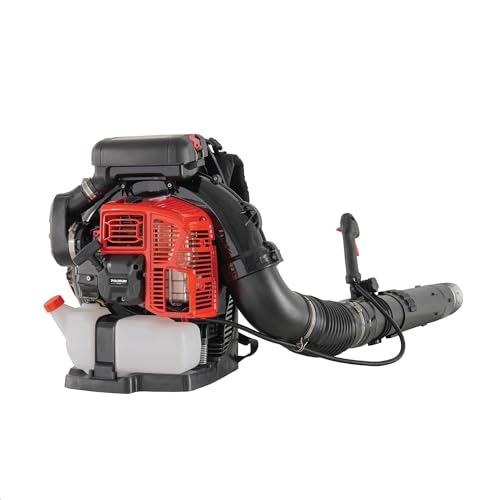
PRORUN PBB3000 Gas Backpack Leaf Blower, 79.9cc Commercial-Grade, 250 MPH, 1125 CFM, 50N, 2-Cycle Engine
The listing describes a 79.9cc 2-cycle gas backpack blower rated at a 250 MPH air speed and 1125 CFM air volume, framed as commercial grade.
Check price on AmazonAir speed and air volume do different jobs. MPH, the speed, helps break loose wet or packed debris. CFM, the volume, is what actually pushes large piles and clears wide areas quickly. A capable blower needs both to work together, and on paper this listing claims strong numbers in each column.
Who it is for
A machine framed around these specifications is aimed at large properties, not small city lots. If you maintain big yards, acreage, long driveways, or wooded lots that drop heavy leaf loads every autumn, a gas backpack blower like this one is the category you would normally shop in. It is also the type of tool chosen by landscaping crews and property managers who clear debris for hours at a time and cannot stop to recharge. If your yard is small, if quick touch ups are all you need, or if noise and emissions rules in your area are strict, a unit this size is probably more blower than the job calls for, and a lighter option may serve you better.
Strengths on paper
Judged only by the listing, the appeal is straightforward. The high CFM figure suggests it is built to move serious volumes of leaves and grass clippings, which is where large jobs are won or lost. The MPH figure points to enough nozzle speed to lift matted, damp debris that a weaker blower would simply skim over. The backpack harness is a genuine ergonomic advantage over handheld designs, because carrying the engine on your back and hips, rather than in your hand, makes long sessions far less tiring on the arm and wrist. Being gas powered also means you refuel in seconds and keep working, instead of waiting on a battery to recharge, which matters when you are clearing a property that takes most of a morning. The commercial grade framing in the listing signals it is meant to tolerate repeated, heavier use rather than occasional weekend cleanup.
Things to check
Because this is gas powered outdoor equipment, there are real considerations to weigh before you buy, and you should confirm each one for yourself:
- Hearing and eye protection. Gas backpack blowers are loud and throw debris. Wear hearing protection and eye protection whenever you run one, and keep bystanders and pets clear of the discharge.
- Fuel or oil mix and maintenance. The listing calls this a 2-cycle engine, and 2-cycle engines generally run on a gasoline and oil mixture rather than straight gasoline. Confirm the exact mix ratio and the recommended oil in the operator manual before your first fill, and plan for ongoing upkeep such as the air filter, spark plug, and fresh, correctly mixed fuel.
- Weight and harness comfort. A larger engine means more weight on your back. If you can, try the harness, check the shoulder and waist padding, and be honest about how long you can comfortably carry it, since comfort varies a lot from person to person.
- Noise. Expect this to be among the louder tools in your shed. Consider your neighbors, your working hours, and any homeowner association sound rules.
- Local gas blower restrictions. A number of states and municipalities restrict or outright ban gas powered leaf blowers, and the rules vary by city and sometimes by season. Check your local regulations before buying so you are not left with a tool you cannot legally run.
- Verify the specs. Listings change. Confirm the current CFM, MPH, engine displacement, and harness details on the live Amazon page at the time you buy, rather than relying on any number quoted here.
None of the above is a safety guarantee. Always follow the operator manual that ships with the unit, and let the manufacturer guidance override any general description in this overview.
How it compares
The most useful comparison is not against another specific model but against a whole category: a gas backpack blower versus a cordless handheld. A gas backpack like this one is built for sustained power and long sessions. You refuel and keep going, the harness spreads the weight, and the larger engine is meant to handle big, heavy, wet leaf loads. The trade offs are that it is heavier, louder, needs a correct fuel mix and more maintenance, produces emissions, and may be restricted where you live. A cordless handheld blower sits at the opposite end. It is lighter, quieter, starts instantly, needs no fuel, and is pleasant for small yards and quick clean ups, but it typically offers lower sustained airflow and is limited by battery runtime. Choosing between them is really about matching the tool to the size and frequency of your job rather than chasing the biggest number on a spec sheet.
Verdict
On paper, the PRORUN PBB3000 reads like a purpose built tool for demanding leaf and debris jobs: a 79.9cc 2-cycle engine with the listing claiming a 250 MPH air speed and 1125 CFM air volume, carried in a backpack harness and framed as commercial grade. For large yards, acreage, and heavy seasonal loads, that is the right category, provided you are prepared for the weight, the noise, the fuel mix and maintenance, and the chance that gas blowers are restricted in your area. We have not run this unit, so treat every figure as a listed specification to confirm, wear hearing and eye protection, and follow the operator manual. The best next step is to check the current listing and verify the specs, reviews, and availability for yourself before deciding.
Editorial overview compiled from the current Amazon listing and published specifications, not a hands on review. This is not a safety endorsement. ProductPickly may earn a commission from qualifying purchases made through links on this page.