Work Boots
Best Work Boots for the Jobsite and Wet Work
6 picks compared
9 min read
ProductPickly is reader-supported. When you buy through links on our site, we may earn an affiliate commission at no extra cost to you. It never changes our picks.
The short answerThe best work boot overall is the NORTIV 8 Waterproof Steel Toe Work Boot, combining a protective steel toe, waterproofing, and a slip-resistant sole at good value. For the wettest work the fully waterproof Dunlop Chesapeake rubber boots are the pick, and the NORTIV 8 tactical boots are best for lighter, mobile work.
?How we pickedWe compare published specifications, safety certifications and thousands of verified owner reviews, and we do not physically test every unit. Read the full process in our review methodology.
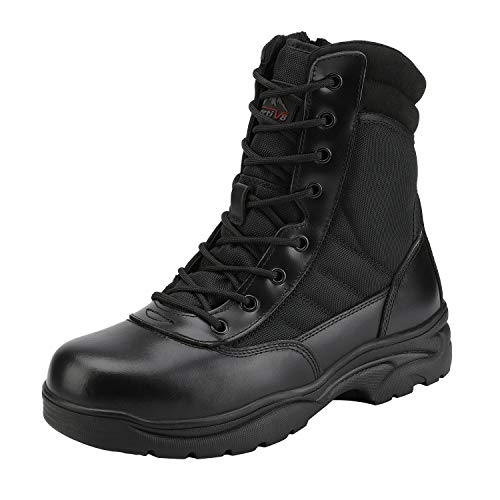
NORTIV 8 Waterproof Steel Toe Work Boots
★★★★★ 4.5 / 5 Best overall
Waterproof work boots with a protective steel toe and a supportive, slip-resistant build for the jobsite. The combination of safety, waterproofing, and value makes them the best all-round pick.
Protection Steel toeWaterproof YesSole Slip-resistantBest for Jobsites
- Steel toe protection
- Waterproof
- Good value
- Steel toe adds weight
- Break-in period
Best for: General jobsite work
NORTIV 8 Steel Toe Work Boots (Black)
★★★★★ 4.5 / 5 Best value steel toe
A black steel-toe work boot at a keen price for those who need safety protection without overspending. The value pick for everyday jobsite duty.
Protection Steel toeWaterproof YesColour BlackBest for Value buyers
- Affordable safety toe
- Waterproof
- Smart black look
Best for: Budget safety boots
Dunlop Chesapeake Rubber Boots
★★★★★ 4.5 / 5 Best for wet work
Fully waterproof rubber boots for the wettest, muddiest work, easy to hose clean afterward. The pick for farming, fishing, and jobs where your feet stay wet.
Material RubberWaterproof FullyCleaning Hose offBest for Wet, muddy work
- Completely waterproof
- Easy to clean
- Comfortable for wet jobs
- No safety toe
- Less breathable
Best for: Farming and wet sites
NORTIV 8 Military Tactical Work Boots
★★★★★ 4.5 / 5 Best tactical
Lightweight tactical boots with ankle support and grippy soles for those who want mobility over a heavy safety toe. The pick for security, hiking, and light-duty work.
Type Tactical, soft toeSupport AnkleSole GrippyBest for Mobility
- Lightweight and agile
- Good ankle support
- Grippy soles
- No steel toe
- Less rugged than work boots
Best for: Light-duty and security
CKWLXQY Waterproof Deck Boots
★★★★★ 4.3 / 5 Best slip-on rubber
Ankle-height waterproof deck boots that slip on fast for wet, mucky tasks and quick jobs. The pick for a convenient, low-cost wet-weather boot.
Type Slip-on deck bootWaterproof YesHeight AnkleBest for Quick wet jobs
- Slip on and off fast
- Waterproof
- Non-slip sole
- No safety toe
- Ankle height only
Best for: Quick wet-weather tasks
NORTIV 8 Waterproof Hiking Work Boots
★★★★★ 4.5 / 5 Best lightweight
Lighter waterproof boots with a hiking-style build for work that involves a lot of walking. The pick when comfort and mobility matter more than a safety toe.
Type Hiking-styleWaterproof YesWeight LightweightBest for Walking-heavy work
- Light and comfortable
- Waterproof
- Good for lots of walking
- No steel toe
- Less protective
Best for: Walking-heavy jobs
The right work boots protect your feet, keep them dry, and stay comfortable through a long shift. The best pair depends on your job\u2019s hazards and conditions, from steel-toe protection to fully waterproof rubber. Below, picks for jobsites, wet work, and walking-heavy roles.
Safety toe or soft toe
Your job\u2019s hazards decide this. Work involving heavy objects, machinery, or drop risks calls for a safety toe, steel or composite, which is often a requirement. Lighter, walking-heavy, or wet work without impact risk may be more comfortable in a soft-toe boot. Steel toes offer proven protection cheaply but add weight, while composite toes are lighter and non-metallic. Match the protection to the real risks you face daily.
Waterproofing for the conditions
Dry feet mean comfort and fewer problems. Waterproof leather and fabric boots resist water well for general damp conditions, while rubber boots like the Dunlop are fully waterproof and easy to hose clean, ideal for farming, fishing, and the muddiest work. Consider how wet your environment really is: everyday damp suits a waterproof work boot, while constant water and mud call for dedicated rubber boots.
Fit, comfort, and break-in
Fit is critical, especially with a safety toe that must not press on your toes. Aim for a snug heel with room to wiggle your toes, and try boots on with work socks later in the day. Leather safety boots often need a break-in period of days to weeks, so wear them gradually at first. Slip-resistant soles matter too, cutting the risk of falls on wet, oily, or smooth surfaces.
Making them last
Quality work boots reward care. Clean off mud after use, dry them away from direct heat, and condition leather to prevent cracking. Rotating between two pairs lets each dry fully and extends their life. Replace boots once the soles wear smooth or the waterproofing and support give out, since a worn boot no longer protects you. Cared for well, a good pair serves through many hard shifts.
Questions people ask
Do I need steel-toe work boots?
If your work involves heavy objects, machinery, or a jobsite with drop hazards, a safety toe, whether steel or composite, is strongly recommended and often required. For lighter work, walking-heavy roles, or wet tasks without impact risk, a soft-toe boot may be more comfortable. Match the protection level to the actual hazards of your job.
Are the boots really waterproof?
Waterproof boots use sealed materials and construction to keep water out, and rubber boots are fully waterproof by nature. Leather and fabric boots labelled waterproof resist water well but can eventually let moisture in at high stress points over time. For the wettest, muddiest work, rubber boots like the Dunlop are the most reliably dry option.
Steel toe or composite toe: which is better?
Both protect against impact. Steel toes are typically stronger and cheaper but heavier and conduct temperature. Composite toes are lighter, do not set off metal detectors, and insulate better against heat and cold, but often cost more. For most general work, steel toe offers proven protection at a good price; choose composite for lighter weight or non-metallic needs.
How should work boots fit?
They should fit snugly at the heel with enough room to wiggle your toes, especially important with a safety toe, which must not press on your toes. Try them on with your work socks, later in the day when feet are largest. A good fit prevents blisters and fatigue over a long shift, so do not size too small around a steel toe.
How long is the break-in period for work boots?
Leather work boots, especially with a safety toe, often need a break-in period of a few days to a couple of weeks of gradual wear before they mould to your feet. Wear them for shorter periods at first. Rubber and lighter boots need little to no break-in. Good socks and gradual use ease the process.
Are slip-resistant soles important?
Very, for most work environments. Slip-resistant outsoles reduce the risk of falls on wet, oily, or smooth surfaces, which are among the most common workplace injuries. Look for boots that specify slip resistance, and check the tread suits your conditions. For wet or greasy floors especially, a proven slip-resistant sole is a key safety feature.
Can I use rubber boots as work boots?
For wet, muddy work like farming, fishing, or cleaning, rubber boots are ideal, being fully waterproof and easy to hose clean. They usually lack a safety toe, though, so they are not suited to jobs with impact hazards. Use rubber boots where staying dry is the priority and drop protection is not needed.
How do I care for and extend the life of work boots?
Clean off mud and grime after use, let boots dry away from direct heat, and condition leather periodically to prevent cracking. Rotate between two pairs if you can, so each dries fully between shifts. Replace boots when the soles wear smooth or the waterproofing and support fail. Good care significantly extends the life of quality work boots.
The bottom lineSo which one?
Buy the NORTIV 8 Waterproof Steel Toe boots for all-round jobsite protection. Choose the Dunlop Chesapeake for wet, muddy work, the NORTIV 8 tactical for mobility, or the black steel-toe version for the best value safety boot.