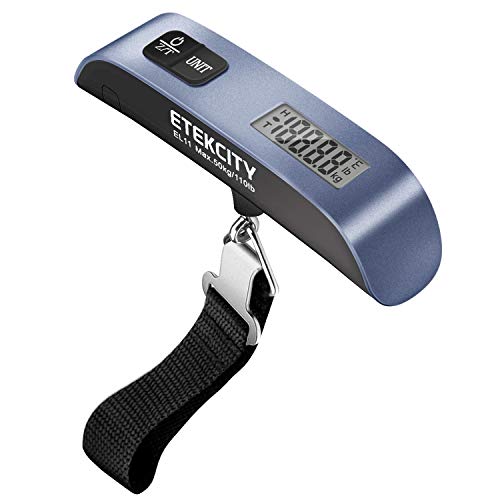
Using a luggage scale correctly is essential to avoid overweight baggage fees and to protect your suitcase from damage. This guide covers the proper technique for attaching, lifting, and reading a luggage scale, along with tips for accurate measurements. Whether you have a digital or analog model, these steps will help you weigh your luggage confidently before every trip.
Why Use a Luggage Scale
Airline baggage fees can be steep, and overweight charges are often higher than the cost of a checked bag itself. A luggage scale lets you weigh your suitcase at home, so you can redistribute items or remove extras before heading to the airport. It also prevents the stress of being surprised at the check-in counter. Additionally, using a scale correctly ensures that you do not accidentally damage the scale or your luggage during the weighing process.
Most luggage scales are compact, handheld devices with a hook or strap that attaches to your suitcase handle. They come in digital and analog versions. Digital scales are more common because they are accurate and easy to read. However, both types require proper handling to give reliable results.
Step-by-Step Usage
Follow these steps to weigh your suitcase accurately and safely.
- Prepare the scale: If you have a digital scale, insert fresh batteries and turn it on. Make sure the display shows zero. If it does not, press the zero or tare button. For analog scales, ensure the dial is set to zero before attaching anything.
- Attach the scale to your suitcase: Loop the strap or hook through the top handle of your suitcase. The handle should be fully inserted into the strap or hook. Center the strap so the weight is evenly distributed. If your suitcase has two handles, use the top handle to keep the bag upright.
- Lift the suitcase: Stand with your feet shoulder-width apart. Bend your knees and grip the scale firmly with both hands. Lift the suitcase using your legs, not your back. Keep the suitcase off the ground and away from your body to avoid any support that could affect the reading.
- Hold steady and read: Keep the suitcase lifted and still. Wait for the digital display to stabilize or for the analog needle to stop moving. Read the weight. Digital scales often show a locked reading after a few seconds. If your scale has a hold button, press it to lock the reading before lowering the suitcase.
- Lower the suitcase gently: Slowly lower the suitcase to the floor, bending your knees again. Do not drop it, as this can damage the scale or the suitcase.
- Record the weight: Note the weight for your records. If you need to adjust the contents, remove items and repeat the process.
For suitcases with wheels, you can also weigh them by lifting the entire bag off the ground. Make sure the wheels do not touch the floor during the measurement.
Tips for Accurate Readings
To get the most accurate reading from your luggage scale, consider these tips.
- Zero the scale before each use: Always start with a zero reading. If your scale has a tare function, use it to subtract the weight of any strap or hook that might remain attached.
- Use a flat surface: When you attach the scale, do it on a flat surface so the suitcase is level. This prevents the weight from shifting to one side.
- Keep the suitcase off the ground: As you lift, ensure the suitcase is completely off the ground. Even a slight touch can affect the reading.
- Avoid body contact: Do not let the suitcase rest against your legs or body. Hold it away from you as much as possible.
- Wait for stabilization: Digital scales may take a couple of seconds to show a stable reading. Do not rush. Analog scales may need a moment for the needle to settle.
- Check the battery: A low battery can cause inaccurate readings. Replace batteries regularly, especially before a trip.
- Calibrate if necessary: Some scales have a calibration mode. Check the manual. You can also test with a known weight, like a dumbbell, to verify accuracy.
- Weigh in a consistent manner: Always weigh the suitcase in the same way each time, using the same handle and lifting technique.
- Protect the scale: Do not overload the scale beyond its capacity. Most scales handle up to 110 pounds (50 kg). Check your scale's limit.
By following these tips, you can avoid the frustration of a wrong reading and the risk of damaging your scale or luggage.
FAQ
How do I attach a luggage scale to my suitcase?
Loop the strap or hook through the top handle of your suitcase. Make sure the handle is fully inserted and the strap is centered. For suitcases with two handles, use the top handle to avoid tilting.
What is the best way to lift a suitcase with a luggage scale?
Stand with your feet shoulder-width apart, bend your knees, and lift with your legs, keeping your back straight. Hold the scale steady and wait for the reading to stabilize. Avoid jerky movements.
How can I get the most accurate reading from a digital luggage scale?
Zero the scale before each use, place the suitcase on a flat surface, and lift it smoothly. Keep the suitcase off the ground and away from your body. Wait for the display to lock. Also, check the battery and calibrate if needed.
Using a luggage scale correctly is a simple skill that saves you money and hassle. With these instructions, you can weigh your bags with confidence. Always check the current price on Amazon to find a reliable scale that suits your travel needs.
