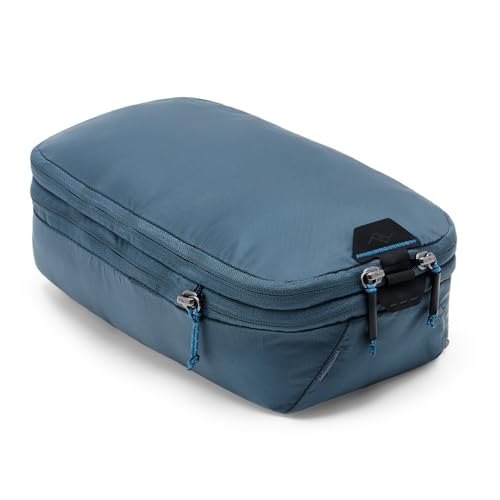
Packing cubes are simple fabric organizers that can transform how you pack for any trip. They help you compress clothes, separate items, and keep your suitcase tidy. This guide explains how to choose the right sizes, decide between rolling and folding, organize by outfit or category, and manage dirty laundry. By the end, you will know how to maximize carry-on space and stay organized from departure to return.
Choosing the Right Sizes
Packing cubes come in various sizes, typically small, medium, and large. The right mix depends on your luggage and travel style. For a carry-on suitcase, a set of three cubes works well: a large cube for bulky items like sweaters or jackets, a medium cube for shirts and pants, and a small cube for underwear, socks, or accessories.
If you use a backpack, consider smaller cubes that fit the internal dimensions. Many brands offer sets with dimensions listed. Measure your bag's interior before buying. A common mistake is buying cubes that are too large, leaving no room for other items.
For longer trips, you might need more cubes. Some travelers use five cubes: two large, two medium, and one small. This allows for separate cubes for tops, bottoms, undergarments, and shoes. Remember that cubes are flexible, so you can compress them to fit odd spaces.
Rolling vs Folding
Rolling clothes is generally more space-efficient and reduces wrinkles. When you roll, you create compact cylinders that fill gaps in your suitcase. Folding is better for delicate fabrics like dress shirts, which can wrinkle if rolled tightly.
Here is a simple approach:
- Roll t-shirts, casual pants, and shorts. Use the military roll or a simple tight roll.
- Fold dress shirts and blouses flat, then place them in a cube with minimal bending.
- Use the cube's compression zipper (if available) to squeeze out air after filling.
- Place heavier rolled items at the bottom of the cube to keep it stable.
Rolling also makes it easier to see what you have. You can stand the rolls upright like files, so you can pull out one item without disturbing others. This is a key advantage for staying organized during trips.
Organize by Outfit or Category
There are two main strategies: organize by outfit or by category. Organizing by outfit means placing a complete set of clothes for one day in a single cube. This is ideal for trips with a fixed itinerary, like business trips or cruises. You grab one cube and you are dressed.
Organizing by category means grouping all t-shirts together, all pants together, and so on. This works well for casual trips where you mix and match. You can easily see what you have and choose combinations.
Many experienced travelers use a hybrid: one cube for daily outfits, another for undergarments and socks, and a third for accessories like belts and scarves. Use mesh cubes for items you need to see quickly, and opaque cubes for privacy.
Label your cubes with tags or use different colors. This helps you find things without opening every cube. Some brands sell sets with colored cubes, which is a simple way to stay organized.
Handling Dirty Laundry
Dirty laundry can ruin a trip if it mixes with clean clothes. Dedicate one cube as a laundry bag. Choose a waterproof or mesh cube to contain odors and moisture. Place it at the bottom of your suitcase or in an accessible pocket.
When you pack, put a small laundry cube inside your luggage. As you wear clothes, fold them and place them in the cube. At the end of the trip, you can simply remove the cube and empty it into the washing machine.
For extra freshness, add a dryer sheet or a small sachet of baking soda inside the laundry cube. This absorbs odors. If you are traveling with wet items like swimsuits, use a separate waterproof pouch to avoid dampness.
Using a cube for dirty laundry also keeps your suitcase organized. You do not have to search for dirty items at the end of the trip. It also prevents clean clothes from getting wrinkled or stained.
Maximizing Carry-On Space
To maximize carry-on space, use cubes strategically. First, place heavy items like shoes at the bottom of your suitcase, near the wheels. Then, stack cubes on top. Use the gaps between cubes for small items like chargers or socks.
Compression cubes are especially useful for carry-ons. They have a second zipper that compresses the contents, reducing volume by up to 30%. This allows you to fit more in a limited space.
Another tip is to pack cubes vertically instead of flat. If your suitcase is deep enough, stand the cubes on their sides. This lets you see all cubes at once, like files in a drawer. It also makes it easier to remove one cube without disturbing others.
Finally, use the outside pockets of your carry-on for items you need during the flight, like a book or headphones. Keep your cubes inside the main compartment. This way, you do not have to open your suitcase on the plane.
Staying Organized During Trips
Packing cubes help you stay organized during the trip, not just at the start. When you arrive at your destination, you can keep clothes in the cubes and place them in drawers or shelves. This saves you from unpacking completely.
If you are moving between hotels, cubes make repacking quick. You simply transfer cubes from one suitcase to another. This is especially useful for road trips or multi-city itineraries.
Use a cube for electronics and cables. This keeps them from tangling and makes security checks easier. Another cube can hold toiletries, but make sure it is waterproof and meets TSA regulations.
For families, assign each person a color of cube. This prevents mix-ups and helps kids find their own clothes. It also makes packing and unpacking a fun activity.
Common Mistakes to Avoid
One mistake is overpacking cubes. If you stuff a cube to the point of bulging, it loses its shape and becomes hard to fit. Leave some room for compression.
Another mistake is using cubes that are too large for your bag. Always check dimensions before buying. Some cubes are designed for checked luggage, not carry-ons.
Finally, do not forget to use the compression feature if your cubes have it. Many people ignore it, but it is the key to saving space. After filling the cube, zip the compression zipper to squeeze out air.
Frequently Asked Questions
Do packing cubes really save space?
Yes, packing cubes help compress clothes and use space more efficiently. By filling gaps and keeping items compact, you can fit more in the same bag. However, the main benefit is organization, not dramatic space savings.
How many packing cubes should I bring?
For a typical trip, 3 to 5 cubes are enough. A set with small, medium, and large sizes covers most needs. For a carry-on, use 2 to 3 cubes for clothes and one for accessories or electronics.
Can I use packing cubes for dirty laundry?
Yes, dedicate one cube as a laundry bag. Use a waterproof or mesh cube to separate dirty items. This keeps clean clothes fresh and makes unpacking easier.
Final Thoughts
Packing cubes are a simple investment that can change your travel experience. They help you pack more efficiently, stay organized, and reduce stress. Whether you are a frequent flyer or an occasional traveler, using cubes correctly will make your next trip smoother.
Remember to choose the right sizes, roll or fold based on fabric, organize by outfit or category, and use a dedicated cube for dirty laundry. With these tips, you can maximize carry-on space and enjoy a clutter-free journey. Check the current price on Amazon to find a set that fits your needs.