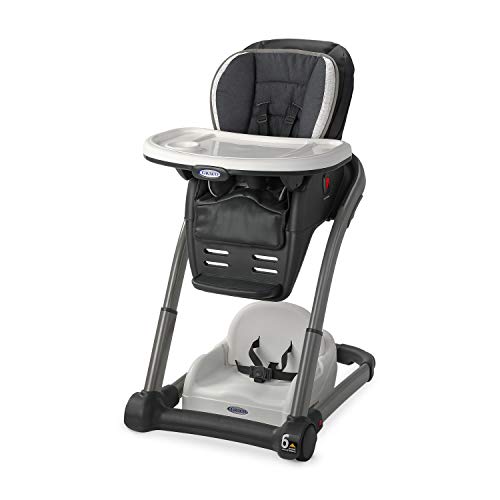
Most high chair refusal stems from discomfort, boredom, or a desire for independence. Try adjusting the harness, adding a footrest, offering engaging distractions, and staying calm. If the chair is genuinely uncomfortable or unsafe, consider a booster seat or a floor seat as an alternative.
Why It Happens: Common Reasons for High Chair Refusal
When your baby suddenly arches their back, screams, or refuses to sit in their high chair, mealtime can feel like a battle. Our editorial team compared specifications, buyer feedback and key decision factors to understand the most common reasons behind this behavior. Here are the typical culprits:
Discomfort and Physical Issues
Babies may refuse the high chair because they are physically uncomfortable. The harness might be too tight, the seat too hard, or the footrest missing. If your baby's feet dangle without support, it can cause strain on their legs and back, making them restless. Also, during growth spurts, the chair might feel cramped. Check the straps and padding for any rough edges that could irritate their skin.
Boredom and Lack of Engagement
Mealtime can be boring for a baby who is used to constant stimulation. If they are strapped into a high chair with nothing to do, they may quickly lose interest and want to get out. The same food every day, a plain tray, and no interaction can lead to refusal. Babies are curious and need something to keep their hands and minds busy.
Desire for Independence
As babies grow, they want to be more in control. They see the family sitting at the table without being strapped down, and they want that freedom. Refusing the high chair can be a way to assert their independence. This often happens around 9 to 18 months when toddlers start testing boundaries.
Association with Negative Experiences
If your baby has had a bad experience in the high chair, such as being forced to eat when not hungry, or being left alone in it for too long, they may associate the chair with negative feelings. This can lead to resistance even if the chair is perfectly comfortable.
Teething or Illness
Teething pain or an ear infection can make sitting upright uncomfortable. If your baby is feeling unwell, they may not want to be confined in any position. Check for other signs of illness like fever, drooling, or irritability.
How to Fix It: Actionable Solutions
Once you identify the likely cause, you can take steps to address it. Here are practical solutions that our research suggests, based on parent feedback and expert advice.
- Adjust the harness and seat. Make sure the straps are snug but not too tight. You should be able to fit two fingers between the strap and your baby's chest. Check the seat padding and recline angle. For younger babies, a more reclined position might be more comfortable. For older babies, ensure the seat is upright enough for them to see the table.
- Add a footrest. A footrest is crucial for proper posture. It gives your baby a stable base, reducing fatigue and discomfort. Many high chairs have adjustable footrests; if yours doesn't, you can use a rolled-up towel or a sturdy box as a temporary footrest. Proper foot support can significantly reduce restlessness.
- Make mealtime engaging. Give your baby something to do while they eat. Offer a few safe toys that are only available during mealtime, like a suction cup spinner or a soft teether. You can also talk to them, sing songs, or make funny faces. A colorful tray with divided sections can also make food more interesting.
- Involve your baby in the process. Let them help set the table, choose their spoon, or pick a fruit from the bowl. This gives them a sense of control. You can also let them self-feed with finger foods, which keeps them busy and interested. Even if it's messy, it's worth it.
- Keep mealtime short and positive. Don't force your baby to stay in the high chair for longer than 15 to 20 minutes. If they finish eating or lose interest, let them out. Never use the high chair as a time-out spot. Keep the atmosphere relaxed and stress-free.
- Try a change of scenery. If your baby refuses the high chair, try a picnic on the floor or a small table and chair set. Sometimes a change of environment can reset their mood. You can also move the high chair to a different spot in the room, so it feels new.
- Consider alternative seating. If your high chair is the problem, there are alternatives. A booster seat that attaches to a regular chair can make your child feel like part of the table. A floor seat, like a Bumbo or a portable hook-on chair, can be used for younger babies. For toddlers, a learning tower that lets them stand at counter height can be a fun option.
- Check for safety and comfort. Inspect the high chair for any rough edges, missing padding, or broken parts. If the chair is old or uncomfortable, it might be time for a new one. Look for a high chair with a washable, padded seat and a five-point harness for safety.
When to Replace Your High Chair
Sometimes, no amount of adjustment will fix the problem. If your high chair is outdated, unsafe, or simply not suitable for your growing child, it's time to replace it. Here are signs that you need a new high chair:
- The harness is broken or missing.
- The frame is cracked or wobbly.
- The tray doesn't latch securely.
- Your child exceeds the weight limit.
- The chair tips easily when your child moves.
- You have tried all adjustments and your child still refuses to sit in it.
When shopping for a new high chair, look for one with a sturdy base, a five-point harness, adjustable height and recline, and a removable, washable cover. Check the current price on Amazon for popular models like the Graco Blossom 6-in-1 or the Chicco Polly 2-in-1. But remember, even the best high chair won't solve all mealtime battles. Consistency and patience are key.
Additional Tips for Mealtime Success
Beyond the high chair itself, your approach to mealtime can make a big difference. Here are some extra strategies to help your baby enjoy sitting in their high chair:
- Set a routine. Have meals at the same times each day, so your baby knows what to expect.
- Offer a variety of foods. Introduce new textures and flavors to keep their interest.
- Let them feed themselves. Even if it's messy, self-feeding gives them a sense of accomplishment.
- Use positive reinforcement. Praise them for sitting nicely, even if it's just for a few minutes.
- Stay calm. If you get frustrated, your baby will sense it and become more resistant.
Remember, high chair refusal is a common phase that many parents face. With a little detective work and some creative solutions, you can turn mealtime into a positive experience for both of you.