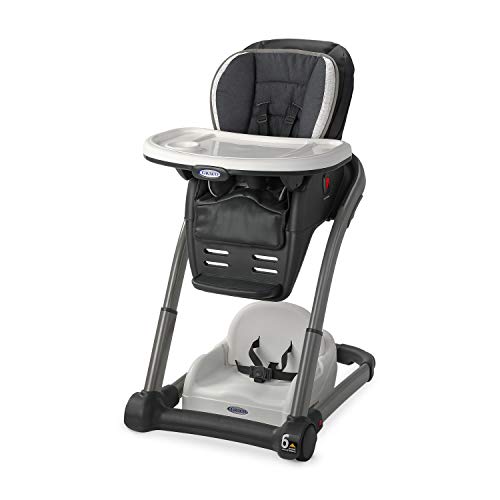
Choosing a high chair is one of the most important purchases for your child's feeding journey. With so many options, it can be overwhelming. Our editorial team compared specifications, buyer feedback, and key decision factors to help you make an informed choice. This guide covers safety standards, harness types, adjustability, cleaning, footprint, materials, and age suitability, along with practical tips for different lifestyles.
Safety Standards and Certifications
Safety is the top priority. Look for high chairs that meet or exceed the ASTM F404 standard for high chairs in the United States or the equivalent international standards like EN 14988 in Europe. These standards test for stability, restraint system strength, and prevention of falls. Check for a certification label or statement from the manufacturer. Also, ensure the chair has a wide base to prevent tipping, and that the tray locks securely. Avoid chairs with sharp edges or small parts that could be a choking hazard. Read recent reviews for any safety recalls or issues reported by other parents.
Harness Types: 5-Point vs 3-Point
The harness is your child's primary safety restraint. A 5-point harness includes shoulder straps, waist straps, and a crotch strap, securing the child at five points. This is the safest option as it prevents the child from sliding down or climbing out. A 3-point harness only has a waist belt and crotch strap, which is less secure, especially for active toddlers. Always choose a 5-point harness, and ensure it is adjustable and easy to buckle and unbuckle. Some models have a one-pull tightening system for convenience.
Adjustability and Growth
High chairs that grow with your child offer better long-term value. Look for multiple recline positions for younger babies who cannot sit fully upright. Adjustable height settings allow the chair to fit your dining table or kitchen counter, promoting family mealtime. A footrest that adjusts is also important, as it provides support and comfort for your child's legs. Some high chairs convert into toddler chairs or booster seats, extending their use for several years. Consider the weight capacity and whether the chair can accommodate a growing toddler.
Cleaning and Materials
Mealtime can be messy, so ease of cleaning is essential. Look for high chairs with a removable, dishwasher-safe tray and a wipeable seat surface. Materials like molded plastic, polypropylene, or solid wood with a non-porous finish are easy to wipe down. Avoid fabric seats that are not removable or machine washable, as they can absorb stains and odors. Some models have a one-piece design with no crevices where food can get trapped. Check if the tray can be removed with one hand, which is convenient when you are holding your baby.
Footprint and Storage
Consider the space in your home. High chairs come in various sizes, from compact models that fit in small kitchens to full-size chairs with a larger footprint. If space is limited, look for a foldable high chair that can be stored flat or a chair that attaches to a regular dining chair. Some models have wheels for easy mobility, but ensure they lock securely. Measure your dining area and doorway to ensure the chair fits comfortably. A compact design does not mean sacrificing safety or features.
Age Suitability
Most high chairs are suitable from around 6 months, when your baby can sit upright with support. Some models with a full recline feature can be used from birth, but always check the manufacturer's weight and age recommendations. The chair should have a comfortable seat and a tray that is at the right height. As your child grows, the high chair should adapt. Some chairs have a higher weight limit (up to 50 pounds or more) and can be used as a toddler chair. Always follow the age and weight guidelines to ensure safety.
Lifestyle Tips and Checklists
Consider your daily routine and living situation. For families who eat out often or travel, a portable high chair that attaches to a table or a foldable model is ideal. For small apartments, a space-saving design is key. For busy parents, easy cleaning is a must. Here is a checklist to help you evaluate options:
- Safety: Meets ASTM F404 or equivalent, stable base, secure tray lock.
- Harness: 5-point harness with adjustable straps.
- Adjustability: Recline, height, and footrest adjustments.
- Cleaning: Removable, dishwasher-safe tray; wipeable seat.
- Materials: Non-toxic, BPA-free, and easy to maintain.
- Footprint: Fits your space; foldable or compact if needed.
- Age range: Suitable for your child's current and future needs.
Also, think about the long-term use. A high chair that converts into a toddler chair or a desk can be a smart investment. Read customer reviews to learn about real-world durability and ease of use. Check the current price on Amazon to compare features within your budget. Remember, the best high chair is one that fits your child, your home, and your lifestyle.