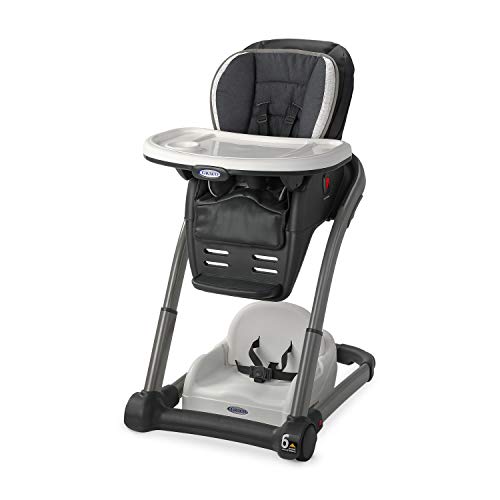
Tighten all screws and bolts, level the legs on a flat surface, and test stability. If the frame is cracked or bent, replace the chair immediately.
A wobbly high chair is more than an annoyance. It is a serious safety hazard that can lead to falls and injuries. Our editorial team compared specifications, buyer feedback and key decision factors to help you understand why high chairs wobble and how to fix them. This guide covers common causes, step-by-step repairs, and clear signs that replacement is the only safe option.
Why High Chairs Wobble
High chairs wobble for several reasons. The most common cause is loose screws and bolts. Over time, the constant movement of a child sitting and shifting can loosen the fasteners that hold the frame together. Another frequent issue is uneven legs, which can happen if the chair is placed on an uneven floor or if one leg is slightly bent. Some chairs have plastic feet that wear down unevenly, causing instability. In older chairs, the plastic or metal components may become brittle and crack, leading to a shaky structure. Understanding the root cause is the first step to a safe fix.
How to Fix a Wobbly High Chair
Before you begin, gather the right tools. Most high chairs require a Phillips screwdriver or an Allen wrench. Some models have hex bolts that need a specific size. Check the manufacturer's manual if you have it. If not, inspect the screws and choose the correct tool. Here is a step-by-step guide to fixing common wobble issues.
- Inspect the chair. Turn the chair upside down or on its side. Look for any visible cracks, bent metal, or missing screws. If you see structural damage, skip to the replacement section. Do not attempt to fix a broken frame.
- Tighten all screws and bolts. Use the appropriate tool to tighten every screw you can find. Pay special attention to the ones connecting the legs to the seat and the tray arms. Do not overtighten, as this can strip the threads. If a screw spins freely, it may be stripped and need replacement.
- Check the leveling feet. Many high chairs have adjustable feet at the bottom of each leg. Place the chair on a flat, hard surface. If it rocks, adjust the feet by twisting them in or out until the chair sits level. If your chair does not have adjustable feet, place thin shims, like cardboard or felt pads, under the low leg to stabilize it.
- Test stability. After tightening and leveling, give the chair a gentle push from the side. It should not wobble or tip. Also, sit a weight, like a bag of flour, in the seat to simulate a child and check for any give. If it still wobbles, recheck the screws and feet.
- Replace worn parts. If the plastic feet are cracked or worn, order replacement parts from the manufacturer. Many brands sell spare feet and caps. If you cannot find parts, consider replacing the chair.
When to Replace the High Chair
Some wobbles cannot be fixed safely. If you find any of the following issues, do not use the chair and replace it immediately.
- Cracked or broken plastic. If the seat shell, tray, or leg connectors have cracks, the structural integrity is compromised. Even a small crack can grow and cause sudden failure.
- Bent or warped metal. If any metal tube is bent, the chair will never sit level. Bending weakens the metal, making it prone to breaking.
- Missing or stripped screws. If screws will not tighten or are missing, the joint may be worn. Replacing screws may not restore strength if the hole is stripped.
- Failed stability test. After tightening and leveling, if the chair still wobbles or tips easily, it is not safe. This could indicate hidden damage.
- Age and wear. If the chair is over 10 years old, plastic may have degraded from UV exposure and cleaning chemicals. Even if it looks fine, it may be brittle.
When you replace the chair, look for models with a wide base, anti-slip feet, and a five-point harness. These features enhance stability and safety. Check the current price on Amazon for the latest options.
Preventing Future Wobble
Once your chair is stable, take steps to keep it that way. Regularly check and tighten screws every few weeks, especially if your child is active. Clean the chair with mild soap and water, avoiding harsh chemicals that can weaken plastic. Always place the chair on a flat, hard surface. Avoid using it on carpet or uneven floors, as this puts stress on the legs. If you have a wooden high chair, check for wood rot or splitting. With proper care, your high chair can remain safe for years.
Final Thoughts
A wobbly high chair is a fixable problem in many cases. By tightening screws, leveling the legs, and testing stability, you can restore safety. However, never compromise when it comes to your child's well-being. If the chair shows signs of structural damage, replace it without hesitation. Your child's safety is worth more than the cost of a new chair. For a wide selection of stable, high-quality high chairs, check the current price on Amazon.