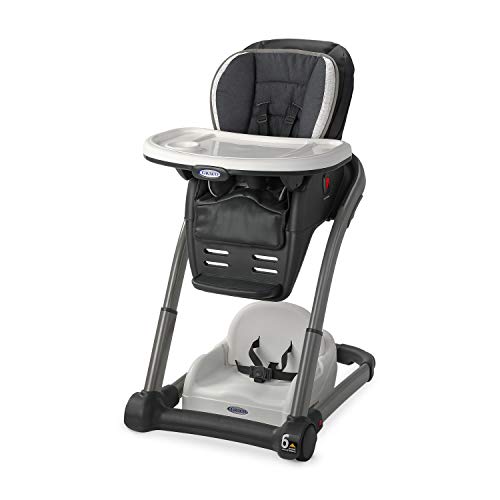
High chairs are a magnet for food crumbs, sticky juices, and dried puree. Cleaning them properly not only keeps your baby safe from bacteria but also extends the life of the chair. Our editorial team compared specifications, buyer feedback and key decision factors to bring you a practical guide for cleaning fabric, plastic, and wooden high chairs. Follow these step-by-step instructions to make mealtime cleanup quick and effective.
Why Regular Cleaning Matters
High chairs accumulate food particles and moisture, which can lead to mold, mildew, and harmful germs. Babies often put their hands on the tray and then into their mouths, so a dirty chair can pose a health risk. Regular cleaning also prevents stains from setting in, making future cleanups easier. A clean high chair also looks better and lasts longer, saving you money in the long run.
Different materials require different care. Plastic is the easiest to wipe down, fabric needs more attention, and wood requires gentle handling to avoid damage. Understanding your chair's material is the first step to effective cleaning.
General Prep and Supplies
Before you start, gather these supplies:
- Soft cloths or sponges (non-abrasive)
- Mild dish soap or baby-safe cleaner
- White vinegar
- Baking soda
- Soft-bristle brush (for crevices)
- Bucket of warm water
- Microfiber towels for drying
Always check the manufacturer's instructions for any specific cleaning recommendations. Remove all removable parts, such as trays, seat pads, and harnesses. Wash these separately according to the material. For the main frame, wipe down with a damp cloth and mild soap, then dry thoroughly to prevent water spots.
Cleaning Plastic High Chairs
Plastic high chairs are the most common and easiest to clean. Here is a step-by-step method:
- Remove all parts: Take off the tray, seat pad, and any removable accessories.
- Wipe down the frame: Dip a cloth in warm soapy water and wipe the entire plastic frame, including legs and armrests. Pay attention to crevices where food can hide.
- Clean the tray: Wash the tray with dish soap and warm water. For a deeper clean, use a vinegar and water solution (1 part vinegar to 3 parts water) to cut grease.
- Scrub stubborn spots: For dried food, let a wet cloth sit on the area for a few minutes to soften. Then scrub with a soft sponge. Avoid abrasive pads that can scratch the plastic.
- Rinse and dry: Wipe with a clean damp cloth to remove soap residue, then dry with a microfiber towel to prevent streaks.
For weekly disinfection, use a food-safe sanitizing spray or a diluted bleach solution (1 tablespoon bleach per gallon of water) but rinse thoroughly afterward. Never use harsh chemicals that could leave toxic residues.
Cleaning Fabric High Chairs
Fabric parts include seat pads, straps, and cushions. These require more care to avoid shrinking or fading. Follow these steps:
- Check the care label: Most removable pads are machine washable. If not, spot clean only.
- Pre-treat stains: Apply a small amount of mild detergent or a stain remover directly to the stain and let it sit for 10 minutes.
- Machine wash (if allowed): Use cold water on a gentle cycle. Avoid fabric softeners as they can break down waterproof coatings.
- Air dry: Hang the pad to dry. Do not use a dryer unless the label says it is safe, as heat can cause shrinkage.
- Clean straps separately: Wipe straps with a damp cloth and soap. For tough spots, use a soft toothbrush with baking soda paste.
For non-removable fabric, create a cleaning solution of warm water and a few drops of dish soap. Dip a cloth, wring it well, and blot the fabric. Rinse with a separate damp cloth and let it air dry completely to prevent mildew.
Cleaning Wooden High Chairs
Wooden high chairs are beautiful but require gentle handling to preserve the finish. Here is how to clean them safely:
- Dust first: Use a dry microfiber cloth to remove crumbs and dust from the surface.
- Wipe with a damp cloth: Dampen a cloth with water and a tiny drop of mild soap. Wring it out so it is barely damp, then wipe the wood in the direction of the grain.
- Dry immediately: Use a dry cloth to remove any moisture right away. Never let water sit on wood, as it can warp or stain.
- Clean crevices: Use a soft-bristle brush or cotton swab to reach joints and carvings.
- Condition the wood: Once a month, apply a food-safe mineral oil or beeswax polish to keep the wood moisturized and protected.
Avoid using vinegar or harsh cleaners on wood, as they can strip the finish. If you notice sticky residue, use a solution of warm water and a drop of dish soap, but dry immediately.
Removing Stubborn Stains and Residue
Some messes need extra effort. Here are proven methods for tough stains:
- Dried food on plastic: Make a paste of baking soda and water. Apply to the stain, let it sit for 15 minutes, then scrub gently with a soft sponge. Rinse well.
- Orange or tomato stains: These acidic stains can be lifted with a paste of baking soda and hydrogen peroxide (for white or light-colored plastic). Test on a hidden area first.
- Grease or oil: Sprinkle cornstarch on the area, let it sit for 10 minutes to absorb the grease, then wipe away. Follow with soapy water.
- Fabric stains: Mix equal parts white vinegar and water, blot the stain, then rinse. For protein stains like milk, use cold water to avoid setting the stain.
- Wood stains: For water rings, gently rub with a mixture of equal parts vinegar and olive oil, then wipe dry. For deep scratches, use a touch-up pen that matches the wood tone.
Always test any cleaning solution on a small, hidden area first to ensure it does not cause discoloration or damage.
Frequently Asked Questions
How often should I clean my high chair?
Wipe down the tray and seat after every meal. Do a deeper clean of the entire chair at least once a week. Fabric pads should be washed every one to two weeks, or more often if heavily soiled.
Can I use baby wipes to clean a high chair?
Baby wipes are convenient for quick cleanups between meals, but they are not a substitute for a thorough wash. They may not remove all bacteria or sticky residue. Use them for spot cleaning, but follow up with soap and water regularly.
What is the best way to sanitize a high chair?
For a food-safe sanitizer, mix 1 tablespoon of unscented bleach with 1 gallon of water. Apply to the surface, let it sit for 2 minutes, then rinse thoroughly with water and dry. Alternatively, use a commercial baby-safe sanitizing spray and follow the label instructions.
Cleaning a high chair does not have to be a chore. With the right supplies and a consistent routine, you can keep your child's dining area hygienic and looking new. Always refer to the manufacturer's care instructions and check the current price on Amazon for recommended cleaning products that suit your chair's material.