Binoculars Telescopes and Optics
Safari Binoculars: 7 Picks for Wildlife Viewing
7 picks compared
6 min read
ProductPickly is reader-supported. When you buy through links on our site, we may earn an affiliate commission at no extra cost to you. It never changes our picks.
The short answerFor most safari-goers, the Vortex Optics Diamondback HD 10x42 offers the best balance of clarity, weight, and price. The Nikon Monarch M5 8x42 excels in low light, while the Celestron Nature DX ED 8x42 is a top budget pick.
?How we pickedWe compare published specifications, safety certifications and thousands of verified owner reviews, and we do not physically test every unit. Read the full process in our review methodology.
Vortex Optics Diamondback HD 10x42
★★★★★ 4.7 / 5 Best overall for safari
The Diamondback HD delivers crisp images with its dielectric coated prisms. Its 10x magnification brings distant animals into clear view. Weighing 21.5 ounces, it is light enough for all-day carrying. The rubber armor provides a secure grip in humid conditions.
Magnification 10xObjective lens 42mmField of view 345 ft/1000 ydsWeight 21.5 oz
- Excellent optical clarity for the price
- Durable and waterproof construction
- Tripod adaptable
- Slightly bulky for some users
- Eye relief may be short for eyeglass wearers
Best for: Best overall for safari
Nikon Monarch M5 8x42
★★★★★ 4.8 / 5 Best low-light performance
The Monarch M5 uses ED glass to reduce chromatic aberration. Its 8x magnification and 42mm objective gather ample light. Owners report bright images even in deep shade. The body is nitrogen filled and fogproof.
Magnification 8xObjective lens 42mmField of view 409 ft/1000 ydsWeight 21.9 oz
- Superb low-light clarity
- Wide field of view
- Smooth focus wheel
- Higher price point
- Lens caps are not tethered
Best for: Best low-light performance
Celestron Nature DX ED 8x42
★★★★★ 4.6 / 5 Best budget pick
The Nature DX ED offers ED glass at a budget friendly price. Its 8x magnification provides a steady image. The phase coated prisms enhance contrast and color. Weighing 25.6 ounces, it is slightly heavier than rivals.
Magnification 8xObjective lens 42mmField of view 388 ft/1000 ydsWeight 25.6 oz
- Great value for ED glass
- Good color fidelity
- Includes carrying case
- Heavier than similar models
- Eye cups could be more rigid
Best for: Best budget pick
Swarovski NL Pure 10x42
★★★★★ 4.9 / 5 Best premium for serious enthusiasts
The NL Pure offers an extra wide field of view thanks to its field flattener lenses. Its 10x magnification delivers exceptional detail. The ergonomic design fits comfortably in the hands. This is a significant investment for dedicated safari goers.
Magnification 10xObjective lens 42mmField of view 399 ft/1000 ydsWeight 27.5 oz
- Unmatched edge-to-edge sharpness
- Very wide field of view
- Premium build quality
- Very expensive
- Heavier than some 10x42 models
Best for: Best premium for serious enthusiasts
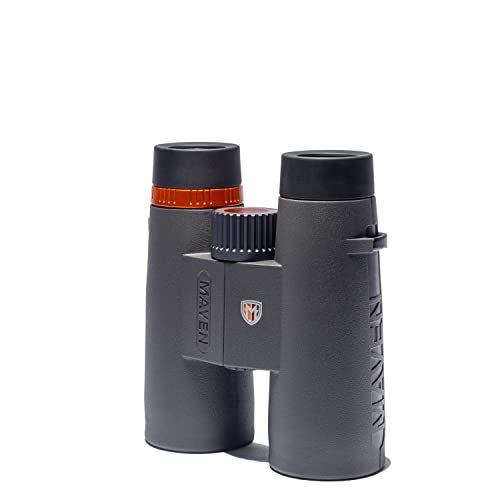
Maven C.1 8x42
★★★★★ 4.7 / 5 Best direct-to-consumer value
Maven sells directly online, cutting out the middleman. The C.1 uses ED glass and fully multi coated lenses. It offers a 409 foot field of view at 1000 yards. Owners praise its bright image and solid feel.
Magnification 8xObjective lens 42mmField of view 409 ft/1000 ydsWeight 24.9 oz
- Competitive pricing for ED glass
- Lifetime warranty
- Bright, sharp image
- No retail stores to try before buying
- Focus wheel is a bit stiff
Best for: Best direct-to-consumer value
Leica Trinovid HD 10x42
★★★★★ 4.8 / 5 Best compact premium
The Trinovid HD is notably compact for a 10x42, weighing just 25.7 ounces. Its HD optics deliver high contrast and true color. The focus wheel is smooth and precise. It is built to withstand harsh conditions.
Magnification 10xObjective lens 42mmField of view 330 ft/1000 ydsWeight 25.7 oz
- Compact and lightweight
- Excellent build quality
- Sharp, bright image
- High price
- Narrower field of view than some rivals
Best for: Best compact premium
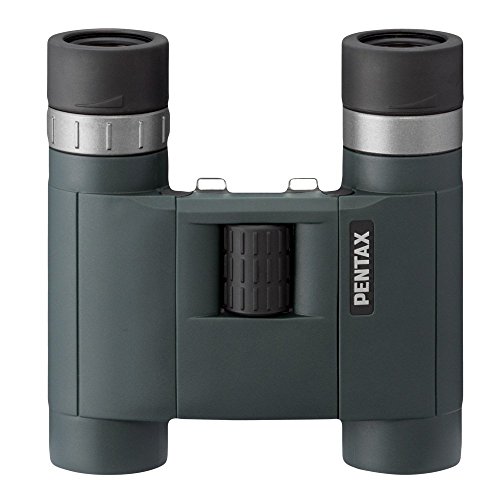
Pentax AD 8x36 WP
★★★★★ 4.5 / 5 Best lightweight for hiking
The Pentax AD 8x36 WP weighs only 17.6 ounces, making it easy to carry. Its 8x magnification and 36mm objective offer a good balance. The phase coated prisms produce clear images. It is waterproof and fogproof.
Magnification 8xObjective lens 36mmField of view 393 ft/1000 ydsWeight 17.6 oz
- Very light and portable
- Good close focus distance
- Affordable
- Smaller objective lens reduces low-light performance
- Eye relief may be tight for eyeglass wearers
Best for: Best lightweight for hiking
No single pair suits everyone. Some travelers prioritize low-light performance for dawn drives. Others want the lightest option for long hikes. We focused on real specs like exit pupil and close focus, plus feedback from safari-goers.
What to look for in safari binoculars
Magnification of 8x or 10x is ideal for safari. Higher magnification can be shaky without a tripod. Objective lens size affects brightness; 42mm is a good balance. Field of view matters for tracking moving animals. Waterproofing and fogproofing are essential for humid conditions.
Magnification and objective lens size
Magnification determines how close animals appear. 8x offers a wider field of view and steadier image. 10x brings more detail but is harder to hold steady. Objective lens size controls light gathering. Larger lenses are brighter but heavier. For most safaris, 8x42 or 10x42 works best.
Durability and weather resistance
Safari environments are dusty and may have rain. Look for binoculars with rubber armor for grip and protection. Nitrogen purging prevents internal fogging. Waterproofing is a must for sudden downpours. Some models offer a lifetime warranty, which is a sign of durability.
Budget considerations
Prices vary widely, from budget to premium. Budget models can still offer good quality. Mid-range options like the Vortex Diamondback HD provide excellent value. Premium models like Swarovski offer the best optics but at a high cost. Decide what features matter most to you.
Questions people ask
What is the best magnification for safari binoculars?
8x or 10x magnification is best for safari. 8x offers a wider field of view and steadier image, while 10x brings more detail. Choose based on your preference for stability versus reach.
Are 10x42 binoculars good for safari?
Yes, 10x42 binoculars are a popular choice for safari. They offer good magnification and light gathering. The 42mm objective lens provides a bright image in most conditions.
What does 8x42 mean on binoculars?
8x means 8 times magnification, and 42 is the objective lens diameter in millimeters. Larger objective lenses gather more light, producing brighter images.
Is a wider field of view better for safari?
Yes, a wider field of view helps you track moving animals. It also makes it easier to locate birds in dense foliage. Look for a field of view of at least 350 feet at 1000 yards.
Can I use binoculars with eyeglasses?
Many binoculars have adjustable eye relief for eyeglass wearers. Look for a model with long eye relief, typically 15mm or more. Twist-up eyecups allow you to adjust the distance from your eyes.
What is the difference between roof and porro prism binoculars?
Roof prism binoculars are more compact and durable, while porro prism models are often cheaper but bulkier. Roof prisms are common in modern safari binoculars due to their ergonomic design.
How do I choose between 8x and 10x magnification?
If you prioritize a wide field of view and steady image, choose 8x. If you want more detail at distance, choose 10x. Consider your physical stability and whether you will use a tripod.
Are waterproof binoculars necessary for safari?
Yes, waterproofing is essential. Rain and humidity can damage non-waterproof models. Look for binoculars that are nitrogen purged and O-ring sealed.
What is the best budget safari binocular?
The Celestron Nature DX ED 8x42 is a top budget pick. It offers ED glass and good clarity at an affordable price. Other options include the Pentax AD 8x36 WP.
Is it worth buying premium binoculars for safari?
Premium binoculars like Swarovski offer superior optics and durability. If you are a serious birder or photographer, they may be worth the investment. For casual safari goers, mid-range models provide excellent value.
The bottom lineSo which one?
For most safari goers, the Vortex Diamondback HD 10x42 offers the best combination of performance and price. If you need low-light capability, the Nikon Monarch M5 is a superb choice. Budget conscious buyers will appreciate the Celestron Nature DX ED.