Landscape photography demands a camera that can capture fine detail, handle dynamic range, and be easy to carry on long hikes. Mirrorless cameras have become the go-to choice for many photographers because they offer high resolution in compact bodies. Our editorial team compared specifications, buyer feedback, and key decision factors to bring you the best mirrorless cameras for landscape photography with high resolution and portability.
What to Look for in a Landscape Mirrorless Camera
When choosing a camera for landscapes, several specs matter more than others. Here is a breakdown of what you should consider.
Resolution
Higher resolution allows you to print larger and crop more aggressively. For most landscape photographers, 24MP is a good starting point, but 45MP or 61MP gives you extra flexibility. Medium format cameras like the Fujifilm GFX 100S II offer even more detail, but they come with a size and cost penalty.
Dynamic Range
Landscapes often have a wide range of tones, from bright skies to dark shadows. A camera with good dynamic range lets you recover details in post-processing. Full-frame sensors generally perform better than smaller sensors in this regard.
Portability
You will likely carry your camera for miles, so weight and size matter. Mirrorless cameras are lighter than DSLRs, but there is still variation. The Sony A7R V weighs just 1.6 pounds, making it easy to pack.
Image Stabilization
In-body image stabilization (IBIS) helps when shooting handheld, especially in low light. It is also useful for video. Most of the cameras in our list have excellent IBIS.
Weather Sealing
Outdoor conditions can be unpredictable. A weather-sealed camera protects against dust and moisture, ensuring your gear works when you need it.
Common Mistakes to Avoid
Many photographers make avoidable errors when choosing a landscape camera. Here are the most common pitfalls.
Ignoring Lens System
The camera body is only half the equation. The lenses you can mount are equally important. Make sure the system has a good selection of wide-angle and zoom lenses that meet your needs.
Overemphasizing Megapixels
Megapixels are not everything. A 24MP camera with excellent dynamic range can outperform a 61MP camera with poor processing. Consider the overall image quality, not just the pixel count.
Neglecting Battery Life
On a long hike, you may not have access to a charger. Check battery life ratings and consider carrying spare batteries. Some cameras are more power-hungry than others.
Buying Too Much Camera
It is easy to get caught up in specs, but you should buy a camera that matches your skill level and needs. A beginner might not need a 61MP medium format camera. Start with something manageable and grow.
Forgetting About Post-Processing
Landscape photography often involves editing raw files. Make sure your computer can handle the large files from high-resolution cameras. You may need to upgrade your storage and processing power.
Our Top Picks Explained
We selected five cameras that represent the best balance of resolution, portability, and features for landscape photography. Here is a closer look at each.
Sony A7R V: Best Overall
The Sony A7R V is the camera we recommend for most landscape photographers. Its 61MP sensor delivers stunning detail, and the body is surprisingly compact. The autofocus system is among the best, and the 8-stop stabilization is a game-changer for handheld shots.
Fujifilm GFX 100S II: For Maximum Resolution
If you need medium format quality, the GFX 100S II is a top choice. It packs a 102MP sensor into a body that is still portable compared to traditional medium format cameras. The dynamic range is exceptional, making it ideal for high-contrast scenes.
Nikon Z8: For Action and Landscapes
The Nikon Z8 is a versatile camera that excels in both landscape and action photography. Its stacked sensor allows for fast burst shooting, which is useful for capturing moving elements like waterfalls or wildlife. The build quality is rugged, and the autofocus is reliable.
Canon EOS R5: The All-Rounder
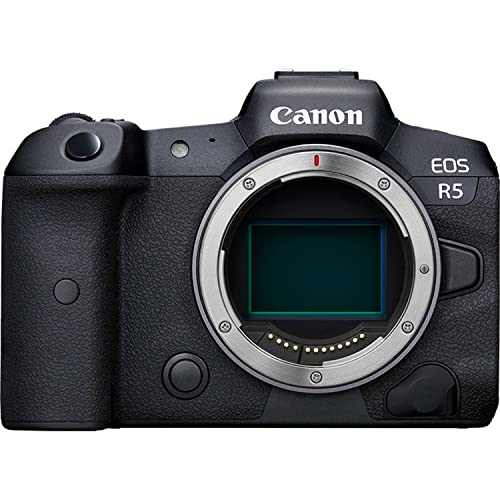
The Canon EOS R5 is a well-rounded camera that handles landscapes, portraits, and video with ease. Its 45MP sensor is a sweet spot for many photographers, and the RF lens lineup is impressive. The main downside is the overheating issue in 8K video, but that is not a problem for stills.
Panasonic Lumix S5 IIX: Best Value
For those on a budget, the Panasonic Lumix S5 IIX offers full-frame quality at a more accessible price. It has a 24MP sensor, which is sufficient for most uses, and the ergonomics are excellent. The autofocus is not as advanced as the others, but it is still capable.
Frequently Asked Questions
Here are answers to common questions about mirrorless cameras for landscape photography.
Do I need a tripod?
A tripod is highly recommended for landscape photography, especially in low light or when using long exposures. It ensures sharpness and allows you to compose carefully.
What is the best sensor size for landscapes?
Full-frame is the most popular choice because it offers a good balance of resolution, dynamic range, and portability. Medium format provides even more detail but is bulkier. APS-C is also viable, especially for travel.
Can I use my smartphone instead?
Smartphones have improved, but they still lack the dynamic range, resolution, and lens flexibility of a dedicated mirrorless camera. For serious landscape photography, a mirrorless camera is worth the investment.
How much should I spend?
Prices vary widely. You can find capable mirrorless cameras for under $1,000, but high-resolution models like those in our list cost more. Set a budget and prioritize the features that matter most to you.
Final Verdict
After comparing the top options, we believe the Sony A7R V is the best mirrorless camera for landscape photography with high resolution and portability. It offers a rare combination of 61MP resolution, advanced autofocus, and a lightweight body. If you need medium format quality, the Fujifilm GFX 100S II is a strong alternative. For budget-conscious buyers, the Panasonic Lumix S5 IIX provides excellent value. Whichever you choose, remember to invest in good lenses and practice your technique.