Film Cameras
Film Cameras: Top Picks for Every Shooter
7 picks compared
6 min read
ProductPickly is reader-supported. When you buy through links on our site, we may earn an affiliate commission at no extra cost to you. It never changes our picks.
The short answerThe best film cameras are the Canon AE-1 Program for beginners, the Nikon FM2 for durability, and the Leica M6 for rangefinder purists. Each offers distinct features for different needs.
?How we pickedWe compare published specifications, safety certifications and thousands of verified owner reviews, and we do not physically test every unit. Read the full process in our review methodology.
Canon AE-1 Program
★★★★★ 4.8 / 5 best overall for beginners
The Canon AE-1 Program is a legendary 35mm SLR from 1981. It offers aperture-priority and program auto-exposure modes. Its large, bright viewfinder shows shutter speed and aperture clearly.
Type 35mm SLRLens Mount Canon FDMetering Center-weighted averageShutter Speeds 2s to 1/1000s
- Easy to use for beginners
- Excellent lens selection
- Reliable mechanical shutter
- Plastic body feels less rugged
- Battery required for all functions
Best for: best overall for beginners
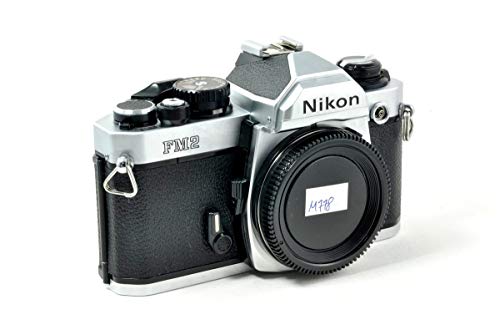
Nikon FM2
★★★★★ 4.7 / 5 best value for durability
The Nikon FM2 is a fully mechanical SLR, meaning it works without batteries except for the light meter. It has a titanium shutter that fires up to 1/4000s. This camera is built to last decades.
Type 35mm SLRLens Mount Nikon FMetering Center-weightedShutter Speeds 1s to 1/4000s
- Fully mechanical, works without battery
- Fast 1/4000s shutter
- Tough metal construction
- No auto-exposure modes
- Meter uses older battery type
Best for: best value for durability
Leica M6
★★★★★ 4.9 / 5 best for rangefinder purists
The Leica M6 is a compact 35mm rangefinder with a bright viewfinder and precise focusing. It features a mechanical shutter with a light meter that uses a simple LED display. Made in Germany, it offers exceptional build quality.
Type 35mm RangefinderLens Mount Leica MMetering Center-weightedShutter Speeds 1s to 1/1000s
- Superb build quality
- Compact and discreet
- Excellent lens ecosystem
- Very expensive
- No auto modes
Best for: best for rangefinder purists
Pentax K1000
★★★★★ 4.7 / 5 best budget option
The Pentax K1000 is a simple, mechanical 35mm SLR that has taught generations of students. It has a match-needle light meter and a robust metal body. The K-mount lens system is vast and affordable.
Type 35mm SLRLens Mount Pentax KMetering Center-weightedShutter Speeds 1s to 1/1000s
- Very affordable
- Simple and reliable
- Great for learning manual exposure
- Basic features
- Meter is not very sensitive in low light
Best for: best budget option
Olympus OM-1
★★★★★ 4.6 / 5 best for travel and street photography
The Olympus OM-1 is a compact and lightweight 35mm SLR, perfect for carrying all day. It features a bright viewfinder and a durable metal body. Its Zuiko lenses are known for sharpness and color rendition.
Type 35mm SLRLens Mount Olympus OMMetering Center-weightedShutter Speeds 1s to 1/1000s
- Very compact and light
- Excellent viewfinder
- Sharp Zuiko lenses
- Meter can be tricky to use
- Lens selection smaller than Canon/Nikon
Best for: best for travel and street photography
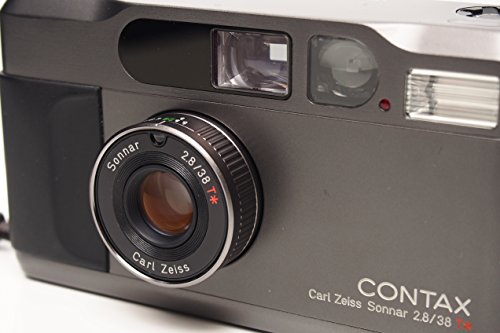
Contax T2
★★★★★ 4.5 / 5 best point-and-shoot for everyday carry
The Contax T2 is a premium 35mm point-and-shoot with a Carl Zeiss Tessar 38mm f/2.8 lens. It offers autofocus, aperture priority, and a built-in flash. Its titanium body is sleek and durable.
Type 35mm Point-and-ShootLens Carl Zeiss Tessar 38mm f/2.8Focus AutofocusShutter Speeds 1s to 1/500s
- Exceptional lens quality
- Compact and stylish
- Fully automatic for easy shooting
- Expensive for a point-and-shoot
- Autofocus can be slow
Best for: best point-and-shoot for everyday carry
Hasselblad 500C/M
★★★★★ 4.8 / 5 best for medium format enthusiasts
The Hasselblad 500C/M is a medium format SLR that shoots 6x6cm images on 120 film. It features a modular design with interchangeable lenses, viewfinders, and film backs. Its leaf shutter is quiet and vibration-free.
Type Medium Format SLRFilm Format 120 (6x6cm)Lens Mount Hasselblad VShutter Speeds 1s to 1/500s
- Exceptional image quality
- Modular system is versatile
- Mechanical reliability
- Heavy and bulky
- Very expensive
Best for: best for medium format enthusiasts
We compared specifications, owner feedback, and use-case fit to narrow down the best options.
Understanding Film Camera Types
Film cameras come in three main types: SLR, rangefinder, and point-and-shoot. SLRs offer through-the-lens viewing and interchangeable lenses. Rangefinders are compact and quiet with a separate viewfinder. Point-and-shoots are fully automatic and pocketable. Your choice depends on your shooting style and budget.
Key Features to Consider
Look for a camera with a good light meter, as it helps with exposure. Manual controls are essential for learning photography. Lens availability and cost matter, especially for older systems. Build quality affects longevity; metal bodies last longer than plastic. Consider battery type and availability, as some older cameras need rare batteries.
Film Formats: 35mm vs Medium Format
35mm film is the most common and affordable, offering 36 exposures per roll. Medium format uses 120 film and produces larger negatives, yielding higher resolution and smoother tones. Medium format cameras are bigger and more expensive. If you prioritize image quality, medium format is worth the investment. For everyday shooting, 35mm is practical.
Buying Used: What to Check
Inspect the camera body for dents, rust, or signs of repair. Test the shutter at various speeds to ensure accuracy. Check the light meter against a known-good camera or app. Look through the viewfinder for haze or fungus. Ask about the lens condition, especially for scratches or separation. A CLA (clean, lubricate, adjust) can revive a camera, but factor in the cost.
Questions people ask
What is the best film camera for beginners?
The Canon AE-1 Program is ideal for beginners due to its auto-exposure modes and easy-to-understand controls. The Pentax K1000 is also great for learning manual exposure.
Are film cameras still worth buying?
Yes, film cameras offer a unique tactile experience and distinct image character. They are also a way to slow down and think about each shot.
What is the difference between an SLR and a rangefinder?
An SLR lets you see exactly what the lens sees through a mirror. A rangefinder uses a separate viewfinder with a focusing patch. Rangefinders are quieter and more compact, but SLRs offer more lens flexibility.
How do I choose between 35mm and medium format?
Choose 35mm for convenience and lower cost. Choose medium format for higher image quality and larger negatives. Medium format cameras are heavier and more expensive per shot.
Which film camera has the best lens quality?
Leica M lenses and Hasselblad Zeiss lenses are renowned for sharpness and character. Contax T2's Zeiss lens is also exceptional for a compact.
Is the Canon AE-1 Program good for professional use?
Yes, many professionals used it in the 1980s. It has manual controls and a reliable meter, though it lacks advanced features like autofocus.
What is a CLA and do I need it?
CLA stands for Clean, Lubricate, Adjust. It's a service that keeps a camera functioning properly. If you buy a used camera, a CLA can ensure accuracy and longevity.
Can I use modern lenses on old film cameras?
It depends on the mount. Some mounts, like Nikon F, have remained compatible. Others, like Canon FD, are not compatible with modern EF or RF lenses without adapters.
What film should I start with?
Start with a color negative film like Kodak Portra 400 or Fujifilm Superia X-TRA 400. They are forgiving and easy to find.
How much does it cost to shoot film?
Costs include film, development, and scanning. A roll of 35mm film costs around plus to for processing. It adds up, so budget accordingly.
The bottom lineSo which one?
For most people, the Canon AE-1 Program offers the best balance of ease, features, and value. If you want a rugged, mechanical camera, the Nikon FM2 is a superb choice. For serious enthusiasts, the Leica M6 delivers an unmatched shooting experience.