Memory Cards and Storage
Best Storage for Photographers: Top Picks
7 picks compared
6 min read
ProductPickly is reader-supported. When you buy through links on our site, we may earn an affiliate commission at no extra cost to you. It never changes our picks.
The short answerFor most photographers, the SanDisk Extreme Pro SD card offers top speed and reliability. The Samsung T7 Shield provides rugged portable SSD storage. The Synology DiskStation DS920+ delivers robust NAS backup for serious pros.
?How we pickedWe compare published specifications, safety certifications and thousands of verified owner reviews, and we do not physically test every unit. Read the full process in our review methodology.
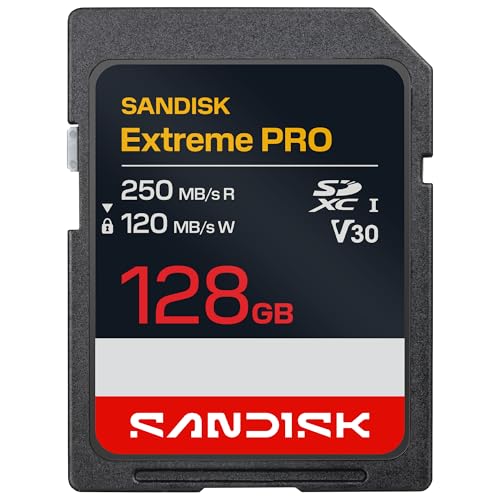
SanDisk Extreme Pro SDXC UHS-I
★★★★★ 4.8 / 5 Best overall for most cameras
This SD card delivers read speeds up to 200 MB/s and write speeds up to 140 MB/s. It is UHS Speed Class 3 and Video Speed Class 30, suitable for 4K UHD recording. The card is built to withstand water, shock, and x-rays.
Capacity 64GB to 1TBRead Speed Up to 200 MB/sWrite Speed Up to 140 MB/sSpeed Class U3, V30
- Fast read and write speeds for burst shooting
- Reliable performance in extreme conditions
- Available in large capacities
- Premium price compared to standard cards
- Not the fastest UHS-II option
Best for: Best overall for most cameras
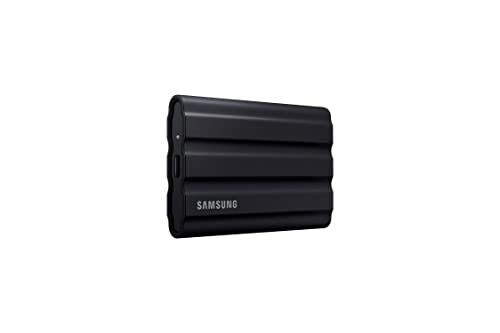
Samsung T7 Shield Portable SSD
★★★★★ 4.7 / 5 Best rugged portable SSD
The T7 Shield offers a durable exterior that resists drops from up to 3 meters and has an IP65 rating for dust and water resistance. It reaches sequential read and write speeds up to 1050 MB/s and 1000 MB/s. The included USB-C cable connects to modern laptops and cameras.
Capacity 1TB to 4TBRead Speed Up to 1050 MB/sWrite Speed Up to 1000 MB/sDurability IP65, 3m drop
- Shock and water resistant for field work
- Fast transfer speeds for large files
- Compact and lightweight design
- Requires USB-C port for full speed
- No built-in encryption
Best for: Best rugged portable SSD
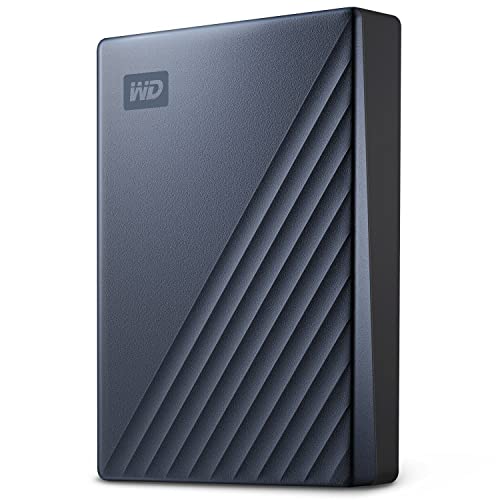
WD My Passport Ultra
★★★★★ 4.5 / 5 Best budget portable HDD
This 2.5-inch portable hard drive offers up to 5TB of storage at an affordable price. It features hardware encryption with password protection. The drive is compatible with both PC and Mac with minimal setup.
Capacity 1TB to 5TBInterface USB 3.2 Gen 1Speed Up to 140 MB/sSecurity 256-bit AES hardware encryption
- Large capacity for a low cost
- Hardware encryption protects data
- Simple plug-and-play setup
- Slower than SSDs
- Not as durable as rugged models
Best for: Best budget portable HDD
Sony TOUGH-M series SDXC UHS-II
★★★★★ 4.8 / 5 Best for high-end mirrorless
The TOUGH-M series is built with a rigid, one-piece construction that resists bending and breaking. It supports UHS-II speeds up to 277 MB/s read and 150 MB/s write. The card is ideal for continuous shooting and 4K video on flagship cameras.
Capacity 64GB to 256GBRead Speed Up to 277 MB/sWrite Speed Up to 150 MB/sDurability Bend and shock resistant
- Extremely durable design
- Fast UHS-II performance
- Ideal for high-resolution burst shooting
- Higher cost per gigabyte
- Requires UHS-II compatible camera
Best for: Best for high-end mirrorless
SanDisk 1TB Extreme Portable SSD
★★★★★ 4.7 / 5 Best for on-location backup
This portable SSD offers read speeds up to 1050 MB/s and write speeds up to 1000 MB/s. It is IP65 water and dust resistant and can survive a 2-meter drop. The compact size fits easily in a camera bag.
Capacity 500GB to 4TBRead Speed Up to 1050 MB/sWrite Speed Up to 1000 MB/sDurability IP65, 2m drop
- Fast transfers for large RAW files
- Rugged build for travel
- Multiple capacity options
- Can get warm during heavy use
- No hardware encryption
Best for: Best for on-location backup
Synology DiskStation DS920+
★★★★★ 4.7 / 5 Best NAS for central backup
The DS920+ is a 4-bay NAS that supports up to 16TB per drive, offering massive storage. It runs on Synology DiskStation Manager, which includes photo management and backup tools. The system supports RAID configurations for data redundancy.
Bays 4Max Capacity 64TB (4x16TB)CPU Intel Celeron J4125RAID Support RAID 0,1,5,6,10
- Scalable storage for growing libraries
- Powerful backup and sync apps
- Hardware encryption for security
- Requires separate hard drives
- Setup can be complex for beginners
Best for: Best NAS for central backup
ProGrade Digital CFexpress 2.0 Type B
★★★★★ 4.6 / 5 Best for high-end video and burst
This CFexpress card delivers read speeds up to 1700 MB/s and write speeds up to 1500 MB/s. It is designed for professional cameras that support CFexpress Type B. The card is built to withstand harsh conditions.
Capacity 128GB to 1TBRead Speed Up to 1700 MB/sWrite Speed Up to 1500 MB/sForm Factor CFexpress Type B
- Extremely fast for 8K video and high-speed bursts
- Durable construction
- Large capacity options
- Expensive
- Only works with CFexpress-compatible cameras
Best for: Best for high-end video and burst
Speed matters for clearing buffers, but durability and backup strategy are just as critical. We focused on real-world performance and reliability, not just listed numbers.
What to look for in storage
Speed is the first thing to check. Memory cards need to match your camera's write speed to avoid buffer lag. For SSDs, look for read and write speeds above 500 MB/s for quick transfers. Capacity should cover your typical shoot, with room for growth. Durability matters if you shoot outdoors. Look for water and shock resistance in portable drives. Backup strategy is crucial. A good workflow uses multiple copies on different media.
Memory cards: SD vs CFexpress
SD cards are the most common and work with most cameras. They come in UHS-I and UHS-II speeds. UHS-II is faster but requires a compatible slot. CFexpress cards are for high-end cameras and offer much higher speeds. They are essential for 8K video and rapid bursts. Choose based on your camera's supported formats. Check your camera manual before buying.
Portable SSDs vs HDDs
SSDs are faster, more durable, and lighter. They cost more per gigabyte but are worth it for active work. HDDs are cheaper and offer larger capacities. They are good for archiving but are slower and more fragile. For on-location backup, an SSD is a better choice. For long-term storage, an HDD can save money.
NAS for photographers
A NAS gives you centralized storage accessible from any device. It allows multiple photographers to share files. RAID configurations protect against drive failure. Synology and QNAP offer photo management apps. A NAS is ideal for a studio or serious hobbyist. It requires an initial investment and some setup time.
Questions people ask
What is the best storage for photographers?
The best storage depends on your needs. For memory cards, the SanDisk Extreme Pro is a top choice. For portable backup, the Samsung T7 Shield is excellent. For a central archive, a Synology NAS works well.
How much storage do I need for photography?
A typical RAW file is 25-50 MB. A wedding shoot can produce 20-40 GB. For a hobbyist, 1-2 TB is a good start. Professionals may need 4 TB or more. Always have at least two copies of your work.
Is a portable SSD worth it for photographers?
Yes, if you shoot large files or video. SSDs are fast and durable. They speed up your workflow and protect data during travel. The cost is higher than HDDs, but the benefits are significant.
What is the difference between SD and CFexpress cards?
SD cards are smaller and used in most cameras. CFexpress cards are larger, faster, and used in professional models. CFexpress supports higher write speeds for 8K video. Check your camera's compatibility first.
Can I use a NAS for photo backup?
Yes, a NAS is excellent for backup. It offers large storage and RAID protection. You can automate backups from your computer. It also allows remote access to your files.
What is the best way to back up photos?
Use the 3-2-1 rule: three copies, two different media, one offsite. For example, keep originals on a memory card, copy to an SSD, and upload to cloud storage. This protects against loss or theft.
How fast should my memory card be?
It depends on your camera. For 4K video, look for V30 or higher. For high-speed bursts, UHS-II or CFexpress is better. Check your camera's manual for recommended speeds.
Are rugged SSDs worth the extra cost?
If you shoot outdoors or travel, yes. Rugged SSDs resist drops, water, and dust. They protect your data in harsh conditions. The extra cost is a small price for peace of mind.
Which is better: SanDisk or Samsung for storage?
Both are reliable. SanDisk excels in memory cards. Samsung leads in SSDs with the T7 series. Choose based on the type of storage you need. Check specific models for speed and durability.
What is the best NAS for photographers?
The Synology DS920+ is a top pick. It offers four bays, powerful software, and good performance. For smaller needs, the DS220+ is a budget option. Consider your storage growth and budget.
The bottom lineSo which one?
For most photographers, a fast SD card like the SanDisk Extreme Pro and a rugged SSD like the Samsung T7 Shield cover daily needs. For long-term archiving, a NAS like the Synology DS920+ provides secure, expandable storage. Choose based on your shooting style and backup workflow.