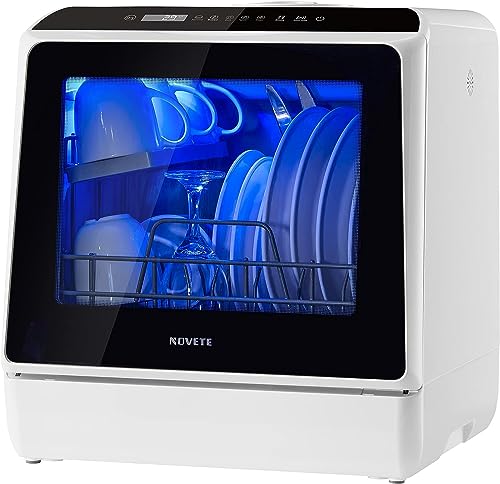
Yes, a countertop dishwasher can be installed permanently, but only with a dedicated water supply and drain connection. Most models are designed for temporary hookup to a kitchen faucet. Permanent installation requires a licensed plumber to adapt the connections. Check your local plumbing codes first, as they may restrict modifications.
- Permanent installation is possible with a water inlet hose and drain connection.
- Always check local plumbing codes and manufacturer instructions first.
- Hiring a plumber reduces risk of leaks and warranty issues.
What does permanent installation mean for a countertop dishwasher?
Permanent installation means connecting the dishwasher directly to your home's water supply and drain, rather than using the faucet adapter. This involves a T-valve under the sink and a drain hose connection to the dishwasher tailpiece. The unit itself stays in place, often under a counter or in a cabinet. Most countertop models are not designed for this, but some can be adapted. You must ensure the water pressure and drain height meet the manufacturer's specs.
Which countertop dishwashers can be installed permanently?
Look for models with a 3/8-inch or 1/2-inch water inlet thread, not just a faucet adapter. Brands like hOmeLabs, EdgeStar, and SPT offer models that include a water inlet hose for direct connection. Check the manual for 'permanent installation' instructions. Some models explicitly state they are for temporary use only. If the listing mentions 'faucet adapter included,' it may still be adaptable. Always verify with the manufacturer's specifications before attempting.
How to install a countertop dishwasher permanently
First, shut off the water supply under the sink. Install a T-valve on the hot water line, then connect the dishwasher's inlet hose. For the drain, attach the hose to the sink's drain tailpiece or garbage disposal inlet. Secure all connections with hose clamps. Run a test cycle to check for leaks. If you are not comfortable with plumbing, hire a professional. Local codes may require an air gap or check valve.
Permanent installation vs. temporary hookup: pros and cons
A permanent setup frees up your faucet and looks cleaner. It also allows the dishwasher to run while you use the sink. However, it requires more complex plumbing and may void the warranty if not done correctly. Temporary hookup is simple and portable, but you cannot use the faucet during a cycle. Permanent installation also raises the risk of water damage if connections fail. Weigh the convenience against the installation cost.
What are the risks and code considerations?
Incorrect installation can cause leaks, water damage, or backflow contamination. Most plumbing codes require a backflow preventer for a permanent connection. Some municipalities prohibit permanent installation of portable dishwashers. Check with your local building department before starting. Also, the dishwasher's drain pump may not handle long drain runs. Keep the drain hose as short and low as possible. If in doubt, consult a plumber.