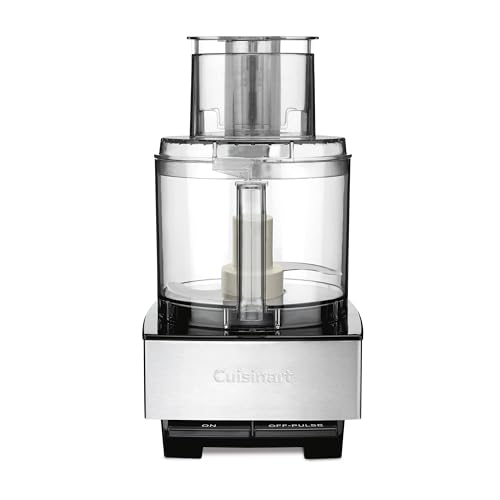
Vinegar is a safe, effective cleaner for food processor parts.
- Soak parts in a 1:1 vinegar-water solution for 10-15 minutes.
- Always rinse thoroughly and air-dry to prevent residue.
- Clean immediately after use to avoid odors and stains.
- Replace parts if cracked, rusted, or showing signs of wear.
Why does my food processor smell or stain?
Food particles get trapped in the blade assembly and lid seals. Oils from garlic, onions, and spices cling to plastic surfaces. Over time, these residues oxidize and cause persistent odors. Stains often come from turmeric, tomato sauce, or berry juices. The narrow crevices around the blade base are hard to reach with a sponge. Vinegar's acetic acid breaks down these organic residues effectively.
How to clean a food processor with vinegar: step-by-step
Start by unplugging the machine and disassembling all removable parts. Rinse each piece under warm water to remove loose food. Fill your sink or a large bowl with equal parts white vinegar and warm water. Submerge the bowl, lid, and blade assembly, and let them soak for 10 to 15 minutes. Use a soft brush or toothbrush to scrub crevices, especially around the blade. For stubborn spots, apply undiluted vinegar directly and let it sit for 5 minutes. Rinse every part thoroughly with clean water to remove any vinegar residue. Wipe the motor base with a damp cloth dipped in vinegar, but never immerse it. Air-dry all parts completely before reassembling.
Can I run vinegar through the food processor to clean it?
Yes, but only with caution. Fill the bowl halfway with warm water and add a few tablespoons of vinegar. Pulse for 10 to 15 seconds to loosen grime. This method works for light residue but does not replace a full soak. Avoid using this technique if your model has a non-removable blade base. Always check the manual for water-safe parts. After pulsing, disassemble and rinse everything as usual.
How to prevent food processor odors and stains
Clean the food processor immediately after each use. Dried-on food is harder to remove and more likely to cause odors. Rinse parts right away, especially after processing strong-smelling foods. Store the machine fully dry and with the lid slightly ajar to allow airflow. Use a drop of lemon juice in the vinegar solution for extra freshness. Avoid using abrasive scrubbers that can scratch plastic and harbor bacteria.
When should I replace my food processor instead of cleaning it?
If the blade becomes dull or rusted, replacement is safer than continued use. Cracks in the bowl or lid can leak and harbor bacteria. A persistent burning smell from the motor base indicates electrical issues. If the machine vibrates excessively or stops working during use, have it serviced or replaced. Most food processors last 5 to 10 years with proper care. Check the warranty before attempting repairs.