Reader-supported: we earn a commission on some links, at no extra cost to you. It never changes our picks. How this works
Mixing BowlsProblem / fix

How to Clean Greasy Mixing Bowls Effectively

For the fastest fix, wipe out excess grease with a paper towel, then wash with hot water and a degreasing dish soap. Use a non-abrasive scrubber. Rinse thoroughly. Dry completely. This removes most grease without spreading it.

Our top pick
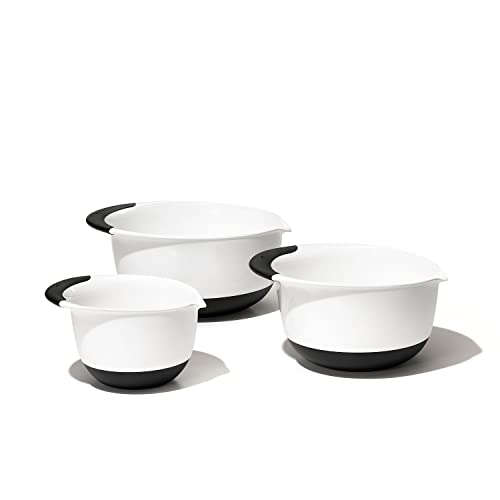
OXO Good Grips 11-Piece Mixing Bowl Set
★★★★★ 4.7
Check price on Amazon
Read the full guide →

Use hot water and degreasing soap to break down grease effectively.

  • Soak greasy bowls before washing to loosen stubborn residue.
  • Baking soda and vinegar are effective, natural degreasers.
  • Prevent grease buildup by washing promptly and using hot water.
  • Replace plastic bowls when scratched or sticky to avoid trapped grease.

Why do mixing bowls stay greasy after washing?

Grease clings to surfaces because oil and water don't mix. Cold water solidifies grease, making it harder to remove. Dish soap needs warm or hot water to break down oil effectively. Porous materials like plastic can absorb grease over time. Inadequate rinsing leaves a soapy film that traps grease. Hard water minerals can also bind with grease, creating a stubborn layer.

How to clean greasy mixing bowls: step-by-step

First, scrape out solid food and excess oil with a spatula or paper towel. This reduces the grease load. Fill the bowl with hot water and add a few drops of degreasing dish soap. Let it soak for 5 to 10 minutes to loosen the grease. Use a non-abrasive scrubber or sponge to wash, focusing on the rim and bottom. Rinse with hot water, then dry with a clean towel or air dry. For stubborn grease, add a tablespoon of baking soda to the soapy water. For stainless steel, a paste of baking soda and water works well. For glass, a vinegar rinse can cut through residual grease.

How to prevent grease buildup on mixing bowls

Use hot water for all greasy dishes, not cold. Wash mixing bowls promptly after use, as dried grease is harder to remove. Consider using a separate bowl for greasy ingredients like oil or butter. If you use plastic bowls, replace them when they become scratched, as scratches harbor grease. For heavy grease, pre-treat with a degreasing spray or a drop of dish soap before washing. Dry bowls thoroughly to prevent water spots that can trap residue.

When to replace mixing bowls or call a professional

Replace plastic mixing bowls if they become sticky or retain odors after washing. This indicates absorbed grease or bacteria. Replace bowls with deep scratches or cracks, as these can hide grease and bacteria. For stainless steel or glass, if they develop rust or etching, it's time to replace. You rarely need a professional for cleaning bowls, but for commercial kitchens, consult a sanitation expert if grease persists despite proper cleaning.

Common questions

What is the best way to remove grease from plastic mixing bowls?

Soak plastic bowls in hot water with degreasing soap, then scrub with a non-abrasive pad. Baking soda helps remove stubborn grease. Avoid abrasive scrubbers that scratch plastic.

Can I use vinegar to clean greasy mixing bowls?

Yes, vinegar cuts grease. Mix equal parts vinegar and hot water, soak the bowl, then wash with soap. Rinse well to avoid a vinegar smell.

How do I clean greasy stainless steel mixing bowls without scratching?

Use a soft sponge or cloth with hot soapy water. For stuck-on grease, make a paste of baking soda and water. Avoid steel wool or abrasive pads.

Is it safe to put greasy mixing bowls in the dishwasher?

Most mixing bowls are dishwasher safe, but check the manufacturer's instructions. Dishwashers use hot water and detergent, which can remove grease. However, plastic bowls may warp or retain grease if not properly loaded.

Why does my mixing bowl still feel greasy after washing?

This usually happens because the water wasn't hot enough, or you didn't use enough soap. Also, if you dried with a greasy towel, that can reapply grease. Try washing again with hotter water and rinsing thoroughly.

Can baking soda remove grease from mixing bowls?

Yes, baking soda is a mild abrasive and deodorizer. Make a paste with water, apply to the greasy area, scrub gently, then rinse. It works well on stainless steel and glass.

How often should I replace my mixing bowls?

Replace plastic bowls every 1-2 years, or sooner if scratched or stained. Stainless steel and glass can last decades if cared for. Replace any bowl that shows cracks or rust.

What is the best soap for greasy mixing bowls?

Use a degreasing dish soap, like Dawn or a similar brand. These soaps break down oil effectively. For extra grease, add a few drops of ammonia to the wash water, but ensure proper ventilation.

More in this topic

More in Mixing Bowls

See the full guide →