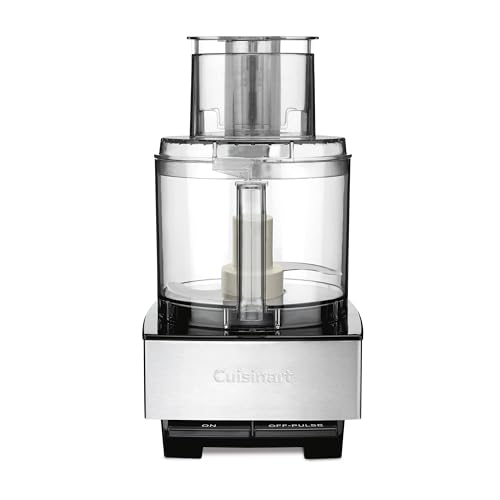
Pulse in short bursts instead of running continuously.
- Chill and dry vegetables before processing to keep them firm.
- Use the S-blade and process in small batches for even chopping.
- Replace dull blades or a failing motor if problems persist.
Why does a food processor make vegetables mushy?
Mushy vegetables come from over-processing. The blade spins fast and cuts repeatedly. Continuous running turns chunks into paste. Wet vegetables slide and get mashed. Dull blades tear cells instead of slicing cleanly. Overloading the bowl prevents even chopping. Heat from friction softens cell walls. Each cause adds up to a sad, watery mess.
How to fix mushy vegetables in a food processor
First, stop processing immediately. Drain any liquid that has collected. Spread the vegetables on a towel to remove moisture. If they are still usable, repurpose them into soup or sauce. For future batches, use the pulse function. Press pulse for one to two seconds at a time. Check the texture after each pulse. Remove the lid and stir with a spatula. Scrape down the sides to ensure even cutting. Process in smaller batches, no more than two cups at a time. Use the S-blade, not the shredding disc, for chopping. Chill the vegetables in the fridge for 15 minutes before processing. Pat them dry with a clean towel. This keeps them firm and crisp.
How to prevent mushy vegetables in the future
Choose the right blade for the job. The S-blade chops, while the shredding disc slices. Use the pulse setting for control. Never run the processor continuously for more than a few seconds. Cut vegetables into uniform pieces before processing. This ensures even chopping. Do not overfill the bowl. Leave room for air to circulate. Process in batches if you have a lot. Use the feed tube to add vegetables gradually. This lets the blade cut each piece once. Keep the bowl and blade cold. A chilled bowl helps maintain texture. Consider a manual chopper for small amounts. It gives you more control.
When to replace your food processor or call a pro
If your food processor still makes mush after these fixes, check the blade. A dull blade tears instead of cuts. Replace it if it is nicked or worn. Look for cracks in the bowl or lid. These can cause leaks and uneven processing. If the motor struggles or smells hot, it may be failing. Check the manual for warranty options. Some brands offer replacement parts. If the machine is old, a new one might be more cost-effective. For persistent issues, contact the manufacturer. They can diagnose problems or suggest repairs. Do not attempt to fix electrical issues yourself. Call a professional if the motor or wiring is faulty.