Use a damp towel or silicone mat for an instant fix.
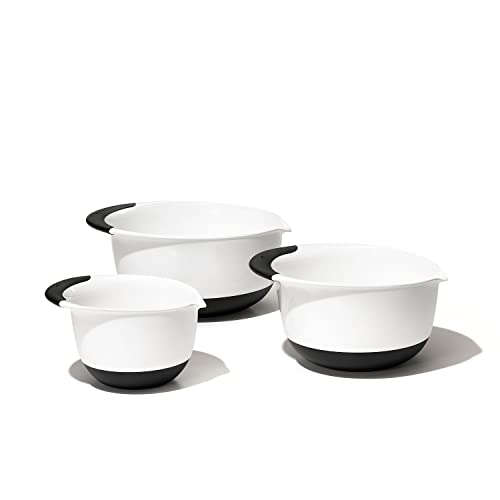
- Choose bowls with a silicone or rubber base for permanent grip.
- Keep counters dry and clean to prevent sliding.
- Replace warped or worn bowls that no longer sit flat.
Why do plastic mixing bowls slide on the counter?
Plastic is smooth and lightweight, so it has little natural friction. Countertops like granite or laminate are also smooth, reducing grip. Moisture, grease, or dust on the surface acts as a lubricant. The bowl's shape matters too; wide, shallow bowls slide less than tall, narrow ones. Even the force of mixing can push the bowl sideways.
How to fix a sliding mixing bowl right now
First, wet a paper towel or cloth and wring it out until just damp. Lay it flat under the bowl, then press down to seat it. The moisture creates a vacuum-like grip. Alternatively, use a silicone trivet or a rubber shelf liner cut to size. If you have a non-slip mat for drawers, repurpose it under the bowl. For heavy mixing, place the bowl in a shallow pan with a damp towel underneath. This adds stability and catches spills.
Which bowls are least likely to slide?
Bowls with a silicone or rubber base are designed to stay put. Look for models with a full silicone ring on the bottom, not just small feet. Stainless steel bowls with a weighted base also resist sliding, but they are heavier. Glass bowls are heavier but can still slide if wet. Ceramic bowls offer good grip but are fragile. Plastic bowls with a textured bottom surface provide more friction than smooth ones.
How to prevent sliding during mixing
Always dry your countertop before placing the bowl. Wipe away any oil, flour, or crumbs. Use a bowl with a non-slip base from the start. If you use a towel, make sure it is not soaking wet, as excess water can cause slipping. Choose a bowl with a wider base for stability. When mixing, hold the bowl with your non-dominant hand. For electric mixers, use a bowl that fits the mixer's base securely.
When should you replace your mixing bowls?
Replace bowls that have cracks, warping, or melted spots. Warped bowls no longer sit flat, making sliding worse. Scratched plastic can harbor bacteria and is hard to clean. If the non-slip base is worn or peeling, it loses its grip. Also, replace bowls that are too light for your tasks, as they will always slide. Look for heavier-duty plastic or a different material if sliding is a constant issue.