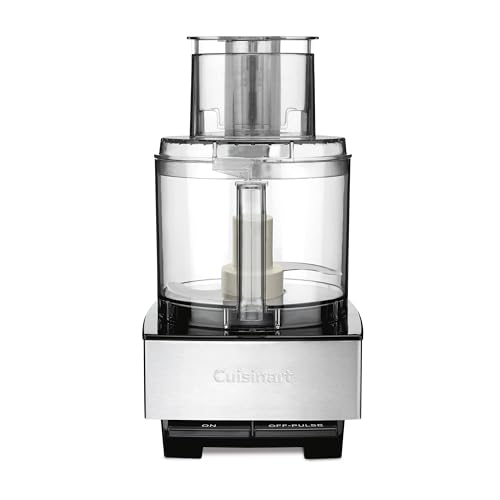
Most food processors are safe for warm food up to 140°F, but boiling liquids are risky.
- Always check your model's manual for specific temperature limits.
- Cool hot food for 10-15 minutes before processing to avoid damage and splatters.
- Use the lid vent and pulse settings to manage steam and pressure.
- For very hot liquids, consider an immersion blender or vented countertop blender instead.
What Happens When You Put Hot Food in a Food Processor?
Processing hot food can create steam and pressure inside the bowl. The lid seals tightly, so steam has nowhere to escape. This pressure can force the lid off and spray hot contents. Thermal shock is another risk. A sudden temperature change can crack or warp plastic bowls. Glass bowls handle heat better but can still break. The motor may also overheat if the food is too hot, as heat transfers through the bowl. Manufacturers often set a maximum temperature for safe operation.
What Do Manufacturers Say About Hot Food?
Most manuals specify a temperature limit, often around 140°F (60°C). For example, Cuisinart's instructions advise letting hot foods cool before processing. KitchenAid similarly warns against processing boiling liquids. Ninja and Breville provide similar guidance in their user guides. Ignoring these limits can void the warranty. Always check your specific model's manual for exact numbers. If the manual is lost, search online using the model number.
Which Materials Are Safe for Hot Food?
Tritan copolyester bowls are more heat-resistant than standard polycarbonate. Tritan can typically withstand temperatures up to 212°F without warping. Some high-end models, like the Breville Sous Chef, use Tritan. Polycarbonate bowls are common but have lower heat tolerance. Glass bowls are rare in food processors, but some exist. Metal bowls, like those on the Magimix, are excellent for hot ingredients. Check the bowl's bottom for a temperature icon or label.
How to Process Hot Food Safely
Cool hot food for 10 to 15 minutes before processing. This reduces steam and heat stress. Fill the bowl only halfway to allow for expansion. Remove the center cap of the lid to let steam escape. Cover the opening with a kitchen towel to catch splatters. Pulse in short bursts rather than running continuously. Use a lower speed setting to minimize heat buildup. If the bowl feels hot to the touch, stop and let it cool.
What Are the Best Alternatives for Hot Food?
For soups and sauces, an immersion blender is safer and easier. It blends directly in the pot, avoiding transfer risks. A countertop blender with a vented lid is another option. Some blenders, like the Vitamix, can handle hot liquids up to 212°F. A potato masher or food mill works for chunky textures. For pureeing hot vegetables, a food mill is gentle and safe. Always prioritize safety over convenience.