Space Heaters
Best space heaters compared for real buyers.
29 posts in this topic
Shopping for a space heater? Our space heaters guides compare heating type, coverage, safety features, thermostat so you can match the right space heater to your kitchen and budget without the guesswork.
An honest editorial overview of the DREO Space Heater, a portable electric indoor heater with a thermostat, based on the current Amazon listing, with clear fire safety guidance and buying checks.
An honest editorial overview of the PELONIS oil filled radiator space heater, a 1500 watt dual knob unit with three modes, built from the current listing and published specs, not hands on use.
An honest editorial overview of the DREO 25 Inch Electric Space Heater, a thermostat controlled indoor tower heater for larger rooms, with what to verify on the listing and how to use it safely.
An editorial, spec based look at the DREO 1500W space heater: what the listing claims, its features, who it suits, and honest things to check before buying.
An editorial, spec based look at the NewAir Portable Space Heater for Indoor Use, built from the Amazon listing and published specs, with who it suits, what to check, and safe use guidance.
An uninsulated garage leaks heat fast. Here is the honest pick for whole-room warmth, the 120-volt alternative, and how to match wattage and voltage to your space.
Running a 1,500-watt space heater for eight hours daily costs about per month at the average U.S. electricity rate. Your actual cost depends on wattage, usage hours, and local rates. Check your electricity bill for the per-kilowatt-hour price. Use the formula: watts × hours ÷ 1,000 × rate.
No, it is not safe to use a space heater with a standard extension cord. Most manufacturers and safety agencies advise against it. Space heaters draw high current, which can overheat extension cords and cause fires. Plug them directly into a wall outlet instead.
Yes, but only with modern safety features and strict precautions. Look for ETL certification, tip-over shutoff, and overheat protection. Keep it three feet from anything flammable. Never use an extension cord. Turn it off when you leave the room.
Leaving a space heater on all night is risky unless it has modern safety features and you follow strict precautions. Most fires and CO incidents stem from old units or misuse. Choose a heater with tip-over and overheat protection, keep it three feet from flammables, and never leave it unattended. For sleeping, consider a heater with a thermostat and timer.
Running a 1,500-watt space heater for eight hours daily costs about to per month, depending on your electricity rate. The exact figure depends on wattage, hours used, and local energy prices. Higher wattage or longer use increases costs. Energy-efficient models and smart thermostats can reduce expenses.
Look for a heater with ETL or UL certification, automatic tip-over shutoff, and overheat protection. Choose a cool-touch model with a timer and thermostat. Ceramic and oil-filled radiators are safer than radiant models. Place it three feet from bedding. Never use an extension cord.
Yes, but only if it's a modern unit with tip-over and overheat protection, placed on a flat, non-flammable surface, and kept away from anything that can burn. Older models or misuse can cause fires. Never leave one on with pets or children unsupervised. Check for the UL or ETL safety certification mark.
Measure your room's square footage. Multiply it by 10 watts per square foot for average insulation. A 200-square-foot room needs about 2,000 watts. Higher ceilings or poor insulation require more wattage. Check the heater's rated coverage area before buying.
Space heaters convert electricity or fuel into heat. Most use electric resistance coils or ceramic elements. A fan or natural airflow distributes the warmth. Radiant models emit infrared heat directly to objects and people. Convection models warm the air, which then circulates. Thermostats regulate temperature, and safety sensors prevent overheating.
Our editorial team compared specifications, buyer feedback, and key decision factors to help you pick the right space heater. Learn about heater types, sizing, safety, and efficiency.
Learn about the risks of running space heaters while you sleep, essential safety features like tip-over switches and overheat protection, and practical guidelines for safe overnight use.


Premium heater-fan hybrid with Air Multiplier technology. We compare performance, noise, safety, and energy use against budget alternatives.
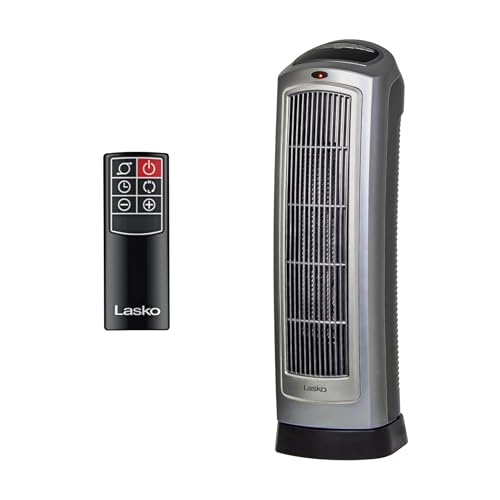
A detailed look at the Lasko 755320 ceramic tower heater, covering heating efficiency, oscillation, remote control, and overall value for money.
Unplug the heater and let it cool completely. Use a soft brush or vacuum to remove dust from vents and grilles. Wipe exterior with a damp cloth. Never submerge in water. Clean filters if removable. Dry fully before reuse.
Unplug the heater and let it cool completely. Remove the front grille if possible. Vacuum the interior with a brush attachment. Wipe heating elements with a dry microfiber cloth. Clean the grille with a damp cloth and mild soap. Let everything dry fully before reassembling and using.
Unplug other devices on the same circuit, then plug the heater directly into a wall outlet. If it still trips, move it to a dedicated 15-amp circuit. Check for a dirty filter or faulty internal wiring. Replace the heater if it keeps tripping.
Unplug the heater and let it cool completely. Vacuum the exterior grille and vents with a brush attachment. Wipe surfaces with a dry microfiber cloth. For deeper cleaning, remove the front cover if possible and gently vacuum internal fins. Never use water or liquids inside.
Your space heater likely shuts off due to overheating, a tripped safety switch, or a blocked air intake. First, unplug it and let it cool for 30 minutes. Clean the vents and filter, then plug directly into a wall outlet. If it still trips, check for a dirty filter or faulty thermostat.
First, check the outlet with another device. If it works, inspect the thermostat, tip-over switch, and internal thermal cutoff. Reset the heater and try again. If it still won't turn on, the heating element or control board may be faulty. Replace the unit if it's old or damaged.
Burning or musty smells from a space heater can be alarming. Learn the common causes, from dust burning off to electrical issues or mold, and how to fix them safely.
Is your space heater shutting off unexpectedly? Learn the common causes like overheating, thermostat issues, and dirty filters, plus step-by-step fixes to keep it running safely.