Check for a clogged cartridge, trapped air, low water pressure, or loose connections. Most issues resolve with a simple cartridge replacement or tightening.
Why Your Water Filter Stops Working Properly
Water filters are designed to remove contaminants and improve taste, but they can develop problems over time. The most common complaints are slow flow, bad taste or odor, leaks, and no water coming out at all. These issues usually stem from a clogged filter cartridge, air bubbles, incorrect installation, or worn-out parts. Understanding the root cause helps you fix it quickly without replacing the whole unit.
How to Fix Common Water Filter Problems
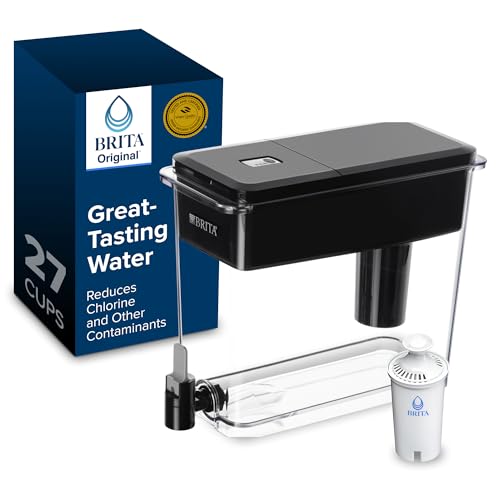
Pitcher Water Filters
- Slow flow: Remove the filter cartridge and soak it in cold water for 5 minutes. Rinse the pitcher reservoir. If flow is still slow, replace the cartridge.
- Bad taste or odor: Run two full pitchers of water through a new cartridge to flush out carbon fines. If taste persists, check if the filter is expired or if your source water has high chlorine.
- Leaks: Ensure the filter is fully snapped into the reservoir. Check the lid seal and the spout for cracks. Tighten any loose parts.
- No water coming out: Air may be trapped. Tilt the pitcher slightly or tap the filter to release bubbles. Also verify the reservoir is properly aligned.
Faucet Water Filters
- Slow flow: Check if the filter is set to filtered or unfiltered mode. Unscrew and rinse the filter screen. Replace the cartridge if it has been more than 3 months.
- Bad taste: Flush the system for 30 seconds. If the filter is old, replace it. Also clean the aerator on your faucet.
- Leaks: Tighten the mounting nut where the filter attaches to the faucet. Replace the rubber washer if it is worn. For side-stream leaks, the diverter valve may need cleaning or replacement.
- No water: Ensure the diverter valve is not stuck. Switch between filtered and unfiltered modes several times. If no water flows in either mode, the faucet itself may have a blockage.
Under-Sink Water Filters
- Slow flow: Check the water pressure (should be 40-80 psi). Replace the sediment pre-filter if present. Replace the main cartridge if it is clogged.
- Bad taste: Flush the system for 5 minutes after cartridge replacement. Check for bacterial growth if the system has been idle for weeks. Sanitize the housing with a mild bleach solution.
- Leaks: Tighten all compression fittings and push-fit connections by hand. Replace O-rings if they are dry or cracked. Ensure the filter housing is screwed on straight and snug.
- No water: Verify the shut-off valve is open. Check for kinks in the tubing. If you have a reverse osmosis system, the tank may be empty; allow it to refill for 2-4 hours.
When to Replace Your Water Filter Cartridge
Knowing when to replace the cartridge prevents most problems. For pitcher filters, replace every 2-3 months or after 40 gallons. Faucet filters typically last 3-6 months or 100-200 gallons. Under-sink filters can go 6-12 months depending on usage and water quality. Signs you need a replacement include noticeably slower flow, strange taste or odor, visible sediment in filtered water, or the filter has been in use beyond the recommended lifespan. If you have hard water, scale can clog the filter faster, so check monthly. Always flush a new cartridge according to the manufacturer's instructions before drinking.
Preventive Maintenance Tips
- Always soak new pitcher cartridges as directed to activate the carbon.
- Clean the filter housing or pitcher every time you change the cartridge.
- For under-sink systems, replace the sediment pre-filter every 3 months.
- Avoid using hot water through any water filter (damages the media).
- If you go on vacation, remove the cartridge and let the system dry to prevent bacterial growth.
Frequently Asked Questions
Why is my water filter flowing so slowly?
Slow flow is usually caused by a clogged filter cartridge, air trapped in the system, or low water pressure. For pitchers, check if the reservoir is seated correctly and the filter is fully soaked. For faucet and under-sink filters, the cartridge may be past its lifespan or the water pressure may be below 40 psi. Try replacing the cartridge first.
How do I fix a leaking water filter?
Leaks often come from loose connections, cracked housings, or worn O-rings. For faucet filters, tighten the mounting nut and check the diverter valve. For under-sink systems, ensure all push-fit connections are fully inserted and the housing is hand-tightened. Replace any cracked parts or dried-out O-rings immediately.
When should I replace my water filter cartridge?
Most manufacturers recommend replacing every 2-3 months for pitchers, every 3-6 months for faucet filters, and every 6-12 months for under-sink systems. Replace sooner if you notice a drop in flow, odd taste, or if the filter has been unused for more than two weeks. Always follow the specific product instructions.