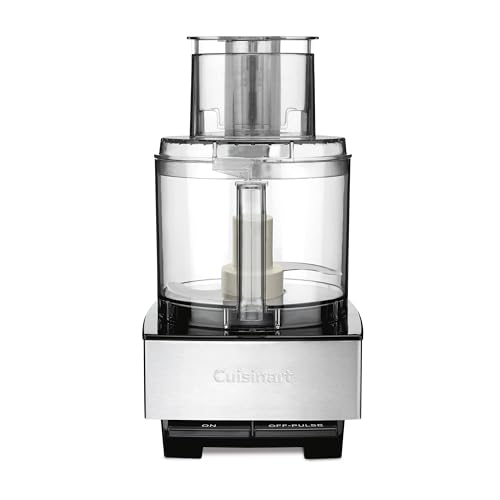
A food processor is a versatile tool for chopping, slicing, shredding, pureeing, and kneading.
- You can make doughs, dips, nut butters, and more, saving time and effort.
- Choose a model based on capacity, power, and attachments to match your cooking needs.
- Use pulsing and proper techniques to achieve the best results.
What Does a Food Processor Do?
A food processor is a versatile countertop appliance with interchangeable blades and discs. It chops, slices, shreds, purees, and kneads. The motor spins sharp blades at high speed inside a work bowl. You control texture by pulsing or running it continuously. Most models come with an S-blade for chopping and pureeing, plus shredding and slicing discs. This makes it a multi-tool for kitchen prep and cooking.
What Can You Make in a Food Processor? 20+ Ideas
You can make pesto by blending basil, garlic, pine nuts, and olive oil. Hummus comes together in minutes with chickpeas, tahini, lemon, and garlic. Nut butters are simple: process roasted nuts until smooth. Pie dough is easy because the processor cuts butter into flour quickly. Bread crumbs, both fresh and dry, are a snap. You can also make salsa, guacamole, and other dips. It grinds meat for burgers or meatballs. It mixes cake batter, muffin batter, and pancake batter. It whips cream or egg whites for desserts. It makes smoothies and frozen drinks. It can even make fresh bread dough, pizza dough, or pasta dough. For prep, it slices vegetables for salads or stir-fries. It shreds cheese, carrots, potatoes for hash browns, and cabbage for coleslaw. It also grinds spices, coffee beans, and grains. You can make baby food, sauces, and soups by pureeing cooked ingredients. It emulsifies mayonnaise and salad dressings. It also makes flavored butters and compound butters. These are just a few of the many possibilities.
How to Choose the Right Food Processor for Your Needs
Consider bowl capacity, motor power, and included attachments. A mini processor (2 to 4 cups) suits small tasks like chopping herbs or making dips. A full-size model (7 to 14 cups) handles dough and large batches. Motor power ranges from 400 to 1200 watts. More power means easier kneading and grinding. Look for a feed tube that fits whole fruits or vegetables. Check if the bowl is dishwasher safe. Some models come with extra discs for julienne or french fries. Think about storage space and how often you cook. A versatile processor can replace several other appliances.
Food Processor vs Blender: Which Should You Use?
Food processors and blenders overlap but excel at different tasks. Blenders are best for liquids and smooth purees, like smoothies and soups. Food processors handle thicker mixtures and dry ingredients. Use a processor for chopping, slicing, shredding, and kneading. Use a blender for drinks, smoothies, and very liquid sauces. A food processor can make nut butter, but a blender may struggle. For pesto, a processor gives a chunkier texture. For a silky smoothie, a blender is better. Many kitchens benefit from having both. If you only buy one, consider what you cook most often.
Tips and Tricks for Getting the Most from Your Food Processor
Pulse for control when chopping, rather than running continuously. Cut ingredients into uniform pieces for even processing. Don't overfill the bowl; leave room for air circulation. Use the feed tube to add liquids while the machine runs. Chill the bowl and blade for better pastry or whipped cream. For nut butter, be patient; it may take several minutes. Scrape down the sides often. Use the shredding disc for cheese and vegetables. Clean the parts immediately after use to avoid staining. Many parts are dishwasher safe, but check the manual.