Stainless steel bowls slide because of low friction between smooth surfaces.
- A damp towel or silicone mat instantly stops slipping.
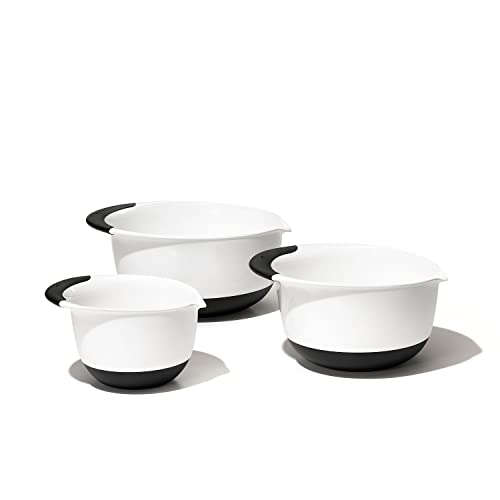
- Prevent sliding by keeping counters dry and choosing bowls with non-slip bases.
- Replace bowls that are warped or have damaged bases.
- Non-slip bowls are a worthwhile investment for frequent mixing.
What causes stainless steel mixing bowls to slide?
Stainless steel has a smooth, polished surface that offers little traction. Most countertops, like granite, quartz, or laminate, are equally smooth. The two surfaces together create very low friction. A thin layer of water, oil, or flour dust makes it worse. Even a slight tilt or vibration can set the bowl moving. The bowl's weight and shape also matter. Lighter bowls with rounded bottoms slide more easily than heavier, flat-bottomed ones.
How can I stop my mixing bowl from slipping?
Place a damp kitchen towel or paper towel under the bowl. The moisture creates a slight suction effect. A silicone mat or a rubber shelf liner works even better. You can also buy a non-slip bowl with a silicone base. If you have a stand mixer, use its bowl, which locks into place. For quick tasks, hold the bowl with one hand while stirring with the other. Another trick is to wrap a rubber band around the bowl's base. That adds grip without extra tools.
How do I prevent bowls from sliding in the future?
Keep your countertop dry and clean. Wipe away any water or oil before placing the bowl. Use a bowl with a flat, wide base. Look for models with a silicone ring or rubber bottom. Some bowls come with a lid that doubles as a grip. Store bowls with a non-slip mat underneath. When shopping, check the bowl's base for a textured or coated surface. These features reduce sliding significantly.
When should I replace my mixing bowls?
Replace bowls if they have dents that prevent a flat base. Deep scratches can harbor bacteria and cause sticking. If the bowl wobbles on the counter, the bottom may be warped. That makes slipping more likely. Also, replace bowls with loose or broken handles. For heavy-duty use, consider upgrading to a heavier gauge stainless steel. Those are less prone to tipping. If the bowl is part of a set, check if you can buy a replacement individually.
Are there specific bowls designed to stay put?
Yes, many brands offer non-slip mixing bowls. Look for bowls with a silicone or rubber base. For example, the OXO Good Grips Stainless Steel Mixing Bowl has a non-slip bottom. Cuisinart's Chef's Classic line also features a stable base. Some bowls come with a gripper ring that fits under the rim. You can also buy a separate non-slip bowl holder. These are inexpensive and work with any bowl.