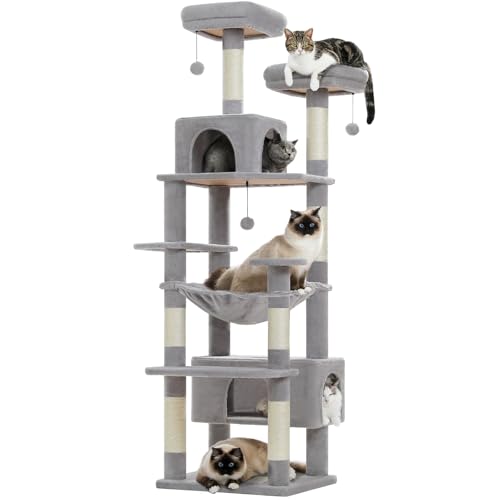
Secure the tree to the wall with anchors or brackets, and add weight to the base. These two fixes solve most tipping problems.
Why Your Cat Tree Keeps Falling Over
A cat tree that tips over is not just annoying, it is a safety hazard for your feline friend. Our editorial team compared specifications, buyer feedback and key decision factors to understand the root causes. The most common reasons include an unstable base, a tall and top-heavy design, active cats that jump aggressively, and placement on uneven or slippery floors.
Many budget cat trees have a small footprint and lightweight construction. When your cat leaps from the top perch, the momentum can easily topple the whole structure. Even sturdy trees can wobble if the base is not level or if the carpet compresses under one side. Understanding these causes helps you choose the right fix.
Another factor is the quality of materials. Some cat trees use thin particleboard that flexes under weight, and the screws may strip easily. Over time, the structure becomes loose and more prone to tipping. Additionally, if you have multiple cats, they may chase each other up and down the tree, increasing the dynamic forces on it. Recognizing these risks is the first step toward a safe environment for your pets.
How to Fix a Tipping Cat Tree
Follow these steps to make your cat tree stable and safe. Each method works for most models, and you can combine them for extra security.
- Anchor it to the wall. This is the most reliable solution. Use a wall anchor kit or simple L-brackets. Attach the bracket to a stud in the wall, then secure the cat tree to the bracket with screws or zip ties. Many cat trees have a designated anchor point or a solid post near the top. If not, attach the bracket to the back of the tree's top platform. For a cleaner look, you can use a furniture anti-tip strap that wraps around the tree and screws into the wall.
- Add weight to the base. Place sandbags, dumbbells, or heavy books on the bottom platform. You can also create a custom weighted base by cutting a piece of plywood larger than the tree's base and attaching it underneath. This lowers the center of gravity and makes tipping much harder. For a more discreet solution, fill a large planter with sand and place it on the base, or use a heavy-duty adhesive to attach metal plates to the underside.
- Level the floor. Use a spirit level to check if the tree is straight. If not, place shims or furniture pads under the legs to balance it. On carpet, a rigid board under the base distributes weight evenly. If you have hardwood or tile, consider using rubber feet that grip the surface and prevent slipping.
- Reinforce the structure. Tighten all screws and bolts. If the tree wobbles at the joints, apply wood glue and clamp until dry. For extra stability, add a diagonal brace from the back of the tree to the base. You can also replace flimsy screws with longer, thicker ones that bite deeper into the wood. Check all connections regularly, as cats can loosen them over time.
- Position it correctly. Place the tree in a corner or against a wall. This reduces the chance of tipping sideways. Avoid high-traffic areas where your cat might knock it while playing. Also, keep it away from windows where your cat might lunge at birds, creating sudden sideways force. A corner placement provides two walls for support, making it much more stable.
DIY Fixes for a Wobbly Cat Tree
If you are handy, you can make simple modifications. One popular DIY is to create a wider base. Cut a square of plywood 4 inches larger than the existing base on each side. Screw the original base to the plywood, then add non-slip pads underneath. This instantly increases stability. For a more attractive finish, you can cover the plywood with carpet or fabric that matches the tree.
Another trick is to attach a heavy duty hook to the wall and use a bungee cord to secure the tree. This is less permanent than a bracket but still effective. For a more elegant solution, use a furniture anti-tip strap, which is designed for dressers and bookshelves. These straps come with screws and are easy to install. You can also use a metal L-bracket and screw it into the tree's frame and the wall stud. If you have a cat tree with a platform near the top, you can attach a bracket to that platform and the wall.
For a more advanced DIY, you can replace the original base with a larger one made from a solid wood board. Trace the original base onto the board, cut it out, and attach it using wood screws and brackets. This gives you a custom, heavy-duty base that will last for years. Remember to sand the edges to avoid splinters.
Choosing a Stable Cat Tree Design
When buying a new cat tree, look for these features to avoid future tipping. A wide and low base is essential. Models with a base that is at least 24 inches square are more stable than narrow ones. Also, check the material. Solid wood or heavy particleboard is better than lightweight plastic. Carpetted bases with non-slip rubber underneath grip the floor better.
Consider the height. A tree that is over 5 feet tall should have a base that is proportionally wider. Some brands offer wall-mounted cat shelves or trees that attach directly to the wall, which are inherently stable. If you have a large or very active cat, choose a tree rated for heavy weight and read reviews from other owners. Look for trees with a low center of gravity, meaning the heavy platforms are near the bottom. Also, check the thickness of the posts; thicker posts are less likely to bend or break.
Another important feature is the quality of the carpet or fabric covering. High-quality carpet is more durable and less likely to peel away, which can expose weak points. Also, consider the number of levels. A tree with too many high platforms may be top-heavy, even if the base is wide. A tree with a single tall post and a few lower perches is often more stable than a multi-level tower.
When to Replace Your Cat Tree
Even with fixes, some cat trees are beyond repair. If the wood is cracked, the posts are bent, or the screws no longer hold, it is time for a new one. Also, if your cat has grown significantly, a small tree may no longer be safe. A wobbly tree that cannot be stabilized is a hazard. Replace it with a sturdier model that suits your cat's size and activity level.
Signs that you need a replacement include visible warping, loose joints that cannot be tightened, and a base that is too small for the height. If you have tried multiple fixes and the tree still tips, it is not worth the risk. Invest in a high-quality tree that will last for years. Remember, the safety of your cat is the priority. A stable cat tree provides a safe place for climbing and scratching, which benefits both you and your pet. Take the time to secure it properly, and you will both enjoy the results.