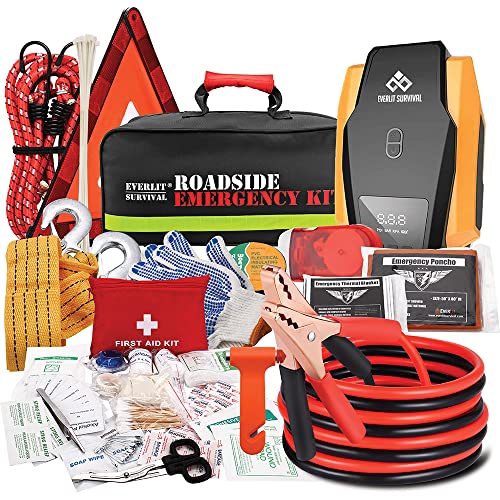
Pack a winter emergency kit with a shovel, ice scraper, warm layers, blankets, flashlight, non-perishable snacks, water, and a phone charger. If you break down, stay in your car, run the engine sparingly, and call for help.
A winter breakdown can turn a routine drive into a life-threatening situation. Freezing temperatures, icy roads, and limited daylight create a perfect storm of risk. Our editorial team compared specifications, buyer feedback and key decision factors to help you build a winter-specific emergency kit and know exactly what to do when your car stops moving in the snow.
Why Winter Breakdowns Are Different
Summer breakdowns are inconvenient. Winter breakdowns are dangerous. When the temperature drops below freezing, your body loses heat rapidly, and hypothermia can set in within minutes if you are not properly dressed. Your car's battery loses up to 60% of its starting power in cold weather, and fuel lines can gel, making breakdowns more likely.
Snow and ice also make it harder for help to reach you. A minor mechanical issue can become a multi-hour wait in a remote area. Without the right supplies, you are vulnerable to frostbite, dehydration, and poor decision-making under stress. That is why a winter emergency kit is not optional if you live in a cold climate.
How to Build a Winter Emergency Kit
Start with a durable waterproof container or a dedicated bag that you can easily grab from your trunk. The goal is to have everything you need to survive at least 24 hours in extreme cold. Here are the essential items.
- Ice scraper and snow brush with a long handle to clear all windows and lights. A compact scraper with a brush on one end is practical.
- Folding shovel to dig out tires and clear snow from the exhaust pipe. A sturdy metal blade is better than plastic.
- Warm clothing including a heavy coat, hat, gloves, thermal socks, and a blanket or sleeping bag rated for sub-zero temperatures. Wool or synthetic materials work best.
- Flashlight and extra batteries or a hand-crank flashlight. A headlamp is also useful for hands-free work.
- Phone charger and power bank to keep your phone charged for calls and navigation. A car charger is helpful but may not work if the battery dies.
- Non-perishable snacks like granola bars, nuts, or trail mix. Also pack bottled water, but keep it from freezing by storing it in an insulated container or replacing it regularly.
- First aid kit with bandages, antiseptic wipes, and any personal medications. Include a space blanket for extra warmth.
- Jumper cables or a portable jump starter. Cold weather drains batteries quickly, and you may need a boost from another vehicle.
- Kitty litter or sand for traction if your wheels are stuck. Spread it under the tires to gain grip.
- Warning devices like reflective triangles, flares, or a bright LED beacon to make your car visible to other drivers.
Adjust your kit based on your location and typical winter conditions. If you often drive long distances in rural areas, add a larger supply of food and water, plus a candle and a metal tin to melt snow for drinking water.
Step-by-Step: What to Do If You Break Down in Winter
When your car stops moving in cold weather, your immediate actions matter. Follow these steps to stay safe while waiting for help.
- Stay calm and assess the situation. Pull over as far from traffic as possible, turn on your hazard lights, and put on your emergency brake. If you are on a highway, try to reach a safe spot like a rest area or an exit.
- Get help on the way. Call roadside assistance or emergency services. Tell them your exact location, the number of people in the car, and any medical conditions. If you have no signal, wait for a while and try again from different spots, but do not wander far from the vehicle.
- Stay in your car. Your car provides shelter and visibility. Leaving it increases your risk of getting lost, hypothermia, or being hit by another vehicle. If you must exit to place warning triangles, do so carefully and stay on the shoulder.
- Run the engine sparingly. Run the engine for 10 minutes every hour to keep the interior warm. Make sure the exhaust pipe is clear of snow to prevent carbon monoxide poisoning. Crack a window slightly for ventilation.
- Keep your body warm. Put on extra layers, use blankets, and keep your head and hands covered. Do light exercises like moving your fingers and toes to maintain circulation, but avoid sweating.
- Stay visible. Keep your hazard lights on, and use reflective triangles or flares if you have them. If it is dark, use a flashlight or a beacon to signal for help.
- Wait for professional help. Do not attempt major repairs unless you are experienced and have the right tools. Instead, conserve your energy and stay alert. If you have food and water, use them sparingly.
When to Replace or Update Your Kit
Your winter emergency kit is not a set-and-forget item. Check it at the beginning of each winter season and monthly during cold months. Replace expired food and water, and rotate batteries in flashlights and radios. Make sure your blanket is still thick and dry, and that your shovel and scraper are not damaged.
Also consider seasonal changes. If you move to a colder region or start driving a different vehicle, adjust your kit accordingly. If you have children or pets, add extra supplies like diapers, formula, and pet food. A well-maintained kit gives you peace of mind and could save your life.
Frequently Asked Questions
What is the most important item in a winter car emergency kit?
The most important item is a reliable source of warmth, such as extra blankets or a sleeping bag. If you run out of fuel or the battery dies, staying warm is critical. Also carry a flashlight with extra batteries and a power bank to keep your phone charged for communication.
How often should I update my winter car emergency kit?
Check your kit at the start of each winter season and monthly during winter. Replace expired items like food, water, and medications. Rotate batteries and test flashlights. Ensure your ice scraper and shovel are in good condition and that you have the right supplies for your vehicle, such as tire chains if needed.
Can I use a regular household shovel for snow?
A regular shovel might work in light snow, but a compact folding shovel designed for emergency use is better. It should be sturdy enough to dig out tires and clear snow from the exhaust pipe. Look for one with a serrated edge and a durable handle that fits in your trunk.
Building a winter car emergency kit is a simple step that can make a huge difference in a crisis. By preparing now, you ensure that if the worst happens, you have the tools and knowledge to stay safe until help arrives. Check the current price on Amazon for a complete winter emergency kit or individual items to start your own.
