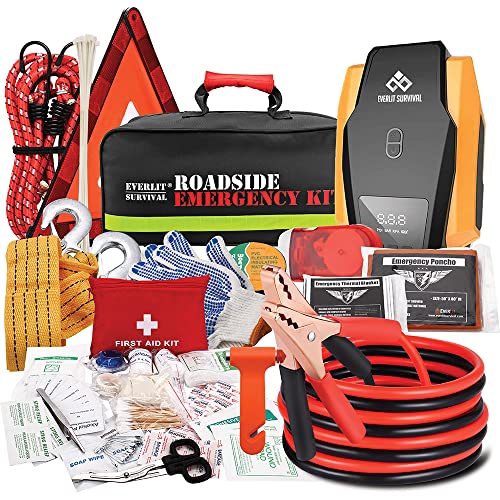
To jump-start safely, park both cars close but not touching, turn everything off, connect red to positive terminals, then black to a metal ground on the dead car (not the negative terminal), start the donor car, wait a few minutes, then start the dead car. Disconnect in reverse order.
Why a Dead Battery Happens and Why You Need a Plan
A dead car battery is one of the most common roadside emergencies. It can happen to anyone, often at the worst time. Leaving lights on, extreme temperatures, or an old battery can drain your battery. When it happens, knowing how to jump-start your car safely is a critical skill. It can save you time and money, and it can keep you from being stranded.
Our editorial team compared specifications, buyer feedback and key decision factors to bring you this guide. We also looked at what makes a jump starter a better choice than traditional jumper cables for many drivers.
Safety First: What You Need Before You Start
Before you even open the hood, gather the right tools and take safety precautions. Here is what you need:
- Jumper cables or a portable jump starter. If using cables, make sure they are heavy-duty, at least 10 gauge, and have insulated clamps.
- Protective gloves and safety glasses. Battery acid can be dangerous, and sparks can occur.
- Owner's manual for both vehicles. Some cars have specific jump-starting instructions, especially hybrids and electric vehicles.
- Clean rags or a wire brush to clean battery terminals if they are corroded.
Critical safety warnings:
- Never smoke or use an open flame near the battery. Batteries produce hydrogen gas, which is explosive.
- Do not connect the negative cable to the dead battery's negative terminal. This can cause sparks and potentially ignite the gas. Instead, attach it to a metal engine block or frame.
- Make sure both cars are turned off, including all lights, radios, and accessories.
- Park the cars close enough so the cables reach, but they must not touch each other.
Step-by-Step: How to Jump-Start Using Jumper Cables
Follow these steps in exact order. This is the safest procedure recommended by automotive experts.
- Position the cars. Park the donor car (with a good battery) next to the dead car. They should be close enough for the cables to reach, but not touching. Turn off both ignitions and set the parking brakes.
- Identify the battery terminals. Open both hoods. Find the batteries. The positive terminal is usually marked with a red cover or a plus sign. The negative terminal is marked with a black cover or a minus sign.
- Clean the terminals. If there is corrosion (white or blue powder), wipe it off with a rag or use a wire brush. Make sure the clamps can get a solid grip on bare metal.
- Connect the red (positive) cable. Attach one red clamp to the positive terminal of the dead battery. Then attach the other red clamp to the positive terminal of the donor battery.
- Connect the black (negative) cable. Attach one black clamp to the negative terminal of the donor battery. Attach the other black clamp to an unpainted metal surface on the engine block or frame of the dead car, away from the battery and any moving parts. This acts as a ground.
- Start the donor car. Let it run for 2 to 3 minutes. This allows the alternator to charge the dead battery.
- Start the dead car. Try to start the dead car. If it doesn't start, wait another minute and try again. Do not crank for more than 5 seconds at a time.
- Disconnect the cables in reverse order. Once the dead car is running, remove the black clamp from the ground on the dead car, then the black clamp from the donor battery, then the red clamp from the donor battery, and finally the red clamp from the dead battery. Do not let the clamps touch each other during removal.
- Let the revived car run. Keep the engine running for at least 10 to 15 minutes to allow the alternator to recharge the battery. Drive the car if possible, as idling may not fully charge it.
How to Jump-Start Using a Jump Starter
A portable jump starter is a safer and more convenient option. It eliminates the need for another car and reduces the risk of connection errors. Here's how to use one:
- Charge the jump starter. Keep it charged according to the manufacturer's instructions. Most have a built-in battery that needs periodic recharging.
- Connect the clamps. Attach the red clamp to the positive terminal of the dead battery. Attach the black clamp to a metal ground on the engine block or frame, just like with jumper cables.
- Turn on the jump starter. Some units have a power button or a “boost” button. Follow the instructions.
- Start the car. Try to start the car within 5 seconds. If it doesn't start, wait a minute and try again.
- Disconnect. Once the car is running, remove the clamps in reverse order. Turn off the jump starter.
A quality jump starter is a great addition to your car emergency kit. It is safe, easy to use, and works even if no other car is available. Look for one with built-in safety features like spark-proof clamps and reverse polarity protection.
Common Mistakes to Avoid
Even experienced drivers make mistakes. Here are the most common ones and why they are dangerous:
- Connecting the negative cable to the dead battery's negative terminal. This can cause sparks and potentially ignite hydrogen gas. Always use a ground point.
- Letting the clamps touch each other. This can create a short circuit, causing sparks and possible damage to the battery or electronics.
- Jump-starting a frozen battery. If the battery is frozen (common in extreme cold), do not jump-start it. The battery could crack and leak acid. Thaw it first or call for help.
- Ignoring warning lights. If the car's dashboard lights dim or flicker after a jump, there may be an alternator problem. Do not drive until it is checked.
- Using thin or damaged cables. They can overheat and melt, causing a fire hazard. Invest in quality cables.
- Not reading the owner's manual. Some modern cars, especially hybrids, have specific jump-starting procedures. Ignoring them can damage sensitive electronics.
When to Replace Your Battery or Get Help
A jump start is a temporary fix. If your battery is old or has failed, it will need replacement. Signs that your battery needs attention:
- The engine cranks slowly when starting.
- Headlights dim when idling.
- The battery is more than 3 to 5 years old.
- There is visible corrosion or a swollen battery case.
- You need a jump start more than once a week.
If the car doesn't start after a successful jump, there may be a starter or alternator issue. In that case, it's best to call a professional. Do not keep trying to jump-start, as it can damage the car's electrical system.
Why a Quality Jump Starter Belongs in Your Emergency Kit
While jumper cables are a budget-friendly option, a jump starter offers several advantages:
- Independence: You don't need another car to help.
- Safety: Many models have built-in protection against reverse polarity, sparks, and overloads.
- Versatility: Many jump starters also have USB ports to charge your phone, a flashlight, and even an air compressor.
- Reliability: A good jump starter can hold a charge for months and is ready when you need it.
When choosing a jump starter, consider the engine size of your vehicle. A unit with at least 1000 peak amps is suitable for most cars. For trucks or SUVs, look for higher amperage. Also, check the battery capacity (mAh) to ensure it can provide multiple jumps on a single charge.
Remember to check the current price on Amazon for both jumper cables and jump starters. Investing in a reliable jump starter is a small price for peace of mind on the road.
Frequently Asked Questions
Can I jump-start a car in the rain?
Yes, but take extra care. Water conducts electricity, so dry your hands and the cable clamps. Avoid letting the clamps touch each other. Modern cars have some protection, but it's best to keep the connection area as dry as possible.
How long should I let the donor car run before starting the dead car?
Let the donor car run for about 2 to 3 minutes after connecting the cables. This allows its alternator to provide a charge to the dead battery. Then try starting the dead car. If it doesn't start within 5 seconds, stop and check the connections.
What if my car still won't start after a jump?
If the car doesn't start after a successful jump, the battery may be dead beyond recovery, or there could be a starter or alternator issue. Do not keep cranking. Seek professional help. A jump starter may not have enough power for a large engine or a completely drained battery.
Final Thoughts
Knowing how to jump-start a car safely is a valuable skill. It can get you back on the road quickly and avoid costly tow fees. Always follow the correct order of connections, use quality equipment, and prioritize safety. Adding a reliable jump starter to your car emergency kit is a smart move. It gives you the power to help yourself and others, even in remote areas.
Check the current price on Amazon for top-rated jump starters and jumper cables. Read reviews and choose one that fits your vehicle and needs. With the right tools and knowledge, you can handle a dead battery with confidence.
