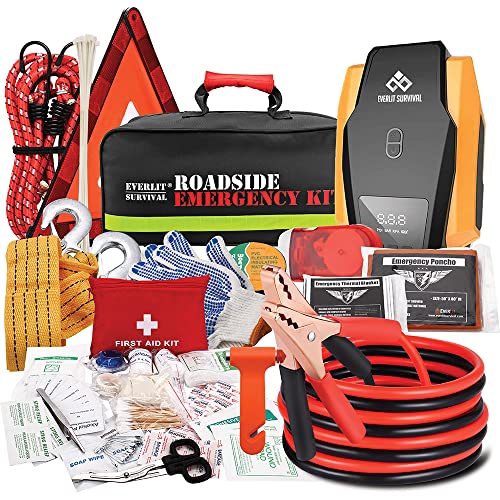
A car emergency kit is a collection of essential supplies that can help you stay safe and comfortable during unexpected roadside situations, such as a flat tire, dead battery, or being stranded in bad weather. While you may never need to use every item, having a well-prepared kit can turn a stressful event into a manageable one. Our editorial team compared specifications, buyer feedback, and key decision factors to compile this comprehensive guide to what you should keep in your car.
Why You Need a Car Emergency Kit
Every year, thousands of drivers face breakdowns, accidents, or being stranded due to weather. A car emergency kit is your first line of defense. It can help you signal for help, treat minor injuries, stay warm, and even get your vehicle running again. The right supplies can also keep you comfortable while you wait for assistance, which might take hours in remote areas.
Beyond personal safety, a kit can also help you assist other motorists in need. Carrying jumper cables, for example, allows you to help a neighbor with a dead battery. Being prepared is not just about your own well-being; it is about being a responsible member of the driving community.
When assembling your kit, consider your specific driving habits. If you often drive in rural areas, you may need more supplies. If you live in a cold climate, add extra blankets and a snow shovel. Tailor your kit to your needs, but always include the core essentials listed below.
Essential Items Checklist
Here is a printable checklist of the must-have items for any car emergency kit. Use this as a starting point and customize it to fit your vehicle and region.
Jumper Cables
Jumper cables are a non-negotiable item. A dead battery is one of the most common roadside issues. Choose cables that are at least 10 to 12 feet long and have heavy-duty clamps. Thicker gauge cables (like 4 or 6 gauge) are more durable and conduct electricity better. Make sure you know how to use them safely: connect positive to positive, negative to a metal ground on the dead car, and never attach the negative clamp to the battery's negative terminal.
First Aid Kit
A comprehensive first aid kit should include adhesive bandages of various sizes, sterile gauze pads, adhesive tape, antiseptic wipes, antibiotic ointment, pain relievers, tweezers, scissors, and disposable gloves. Add any personal medications, such as allergy medicine or an EpiPen. Check expiration dates regularly and replace used items.
Flashlight and Extra Batteries
A reliable flashlight is essential for nighttime breakdowns. Consider a LED flashlight with a long battery life. You can also include a headlamp for hands-free use, which is especially helpful when changing a tire. Store extra batteries separately and rotate them every six months. Alternatively, choose a crank or solar-powered flashlight to avoid battery issues.
Water and Non-Perishable Food
Store at least one gallon of water per person for a day. Use sturdy plastic bottles or a sealed container. Replace water every three to six months. For food, choose high-energy, non-perishable items like energy bars, nuts, dried fruit, or canned goods with a pull-tab. Rotate food items every six months to keep them fresh.
Emergency Blanket
An emergency blanket, also known as a space blanket, is lightweight and reflects body heat. It can keep you warm in cold conditions. For colder climates, add a heavier wool or fleece blanket as well. Store blankets in a waterproof bag to keep them dry.
Basic Tools
Include a multi-tool or a basic toolkit with screwdrivers, pliers, and an adjustable wrench. A tire pressure gauge is also useful. These tools can help with minor repairs or adjustments. Add a pair of work gloves to protect your hands.
Other Essential Items
- Reflective warning triangles or flares to alert other drivers.
- A tire repair kit or a can of tire sealant.
- A spare tire, jack, and lug wrench (check that they are in good condition).
- A portable phone charger or power bank.
- A whistle to signal for help.
- A small fire extinguisher rated for vehicles.
- A basic tool kit with screwdrivers, pliers, and an adjustable wrench.
- A roll of duct tape for temporary fixes.
- A rain poncho or emergency raincoat.
- A small bag of sand or cat litter for traction in snow.
- A copy of your vehicle's manual and important phone numbers.
Storage and Maintenance Tips
Proper storage ensures your kit is ready when you need it. Use a sturdy, waterproof container like a plastic bin or a dedicated car organizer. Place it in the trunk, but make sure it is secured so it does not slide around. In an SUV, use a cargo net or strap to hold it in place.
Check your kit every three to six months. Replace expired food and water, and refresh batteries. Inspect jumper cables for damage and ensure the first aid kit is fully stocked. Adjust your kit for seasonal changes, such as adding extra blankets in winter or sunscreen in summer.
Finally, make sure everyone in your family knows where the kit is and how to use the items. Practice using the jumper cables and changing a tire so you are confident in an emergency. A well-maintained car emergency kit is a small investment that can provide peace of mind on every drive.