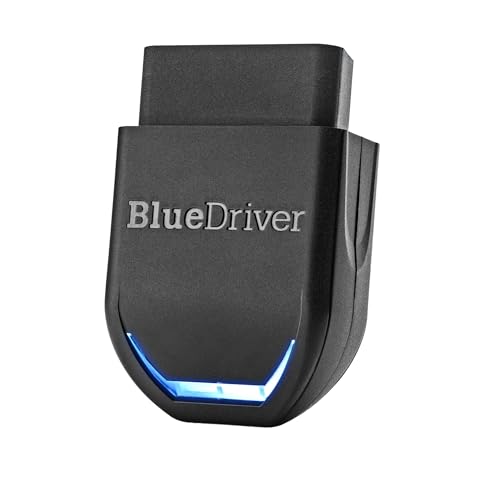
Choosing the right OBD2 scanner can be overwhelming with so many options on the market. Our editorial team compared specifications, buyer feedback and key decision factors to help you make an informed choice. This guide covers compatibility, code reading, live data, ABS/SRS support, Bluetooth vs wired, budget considerations, and advanced features to consider.
Compatibility
Before buying an OBD2 scanner, ensure it works with your vehicle. Most cars and light trucks sold in the US since 1996 (gasoline) and 2004 (diesel) are OBD2 compliant. However, some manufacturers use proprietary protocols or enhanced data streams. For example, BMW, Mercedes, and some Asian brands may require scanners that support manufacturer-specific codes. Check the product description for vehicle compatibility or look for a model that covers multiple protocols like CAN, KWP2000, and J1850. Many scanners list compatible makes and models. If you own a European or luxury vehicle, consider a scanner with enhanced diagnostics. Additionally, some hybrid and electric vehicles have limited OBD2 support, so verify compatibility before purchase. For diesel vehicles, ensure the scanner supports diesel-specific parameters like DPF regeneration and glow plug monitoring.
Code Reading Capabilities
All OBD2 scanners read generic powertrain codes (P0xxx) that trigger the check engine light. But not all read manufacturer-specific codes (P1xxx, P2xxx, Uxxxx, etc.). Basic code readers only show the code and a brief description. Advanced scanners provide detailed definitions, freeze frame data, and pending codes. Some even offer code lookup databases with possible causes and fixes. For DIYers, a scanner that reads both generic and manufacturer codes is ideal. If you need to diagnose ABS, airbag, or transmission issues, look for a scanner that supports those systems. Also, consider scanners that display live data alongside codes for better context. Some scanners allow you to save and export code reports for future reference.
Live Data
Live data streaming lets you see real-time sensor values like engine RPM, coolant temperature, oxygen sensor readings, and fuel trim. This is crucial for diagnosing intermittent problems or monitoring performance. Basic scanners may show live data in a simple list, while advanced models offer graphing, data logging, and playback. Some Bluetooth scanners pair with smartphone apps that provide dashboards and gauges. For serious diagnostics, choose a scanner with fast refresh rate and multiple data parameters. Professional-grade tools can display up to 100+ PIDs simultaneously. When evaluating live data, check the refresh rate (e.g., 10 samples per second) and the number of PIDs supported. Some scanners allow you to customize the data display to focus on specific sensors. Data logging is useful for capturing events during a test drive.
ABS and SRS Support
Many modern OBD2 scanners go beyond engine diagnostics to read ABS (Anti-lock Braking System) and SRS (Supplemental Restraint System / airbag) codes. This is essential if your car has a warning light for these systems. Not all scanners support these functions. Check the product details for ABS/SRS capability. Some scanners require additional adapters or software. If you plan to work on brakes or airbags, invest in a scanner that explicitly supports these systems. Professional scanners often include full system coverage, including transmission and body control modules. For ABS, look for scanners that can read wheel speed sensor data and perform brake bleed procedures. For SRS, ensure the scanner can reset airbag lights after repairs.
Bluetooth vs Wired
Bluetooth OBD2 scanners connect wirelessly to your smartphone or tablet, offering convenience and portability. They are great for quick checks and data logging with apps like Torque or Car Scanner. However, they may have latency and rely on app quality. Wired scanners (USB or direct connection) provide faster, more reliable data transfer and are preferred for professional diagnostics. They often come with dedicated software and do not drain your phone battery. Consider your use case: casual DIY vs professional mechanic. Some wired scanners also offer Bluetooth as an option. Bluetooth scanners are ideal for monitoring while driving, but ensure the app is compatible with your device. Wired scanners are better for intensive diagnostics where data integrity is critical. Also, consider the cable length and durability for wired models.
Budget Considerations
OBD2 scanners range from under $20 to over $500. Basic code readers cost $20-$50 and are suitable for reading and clearing check engine lights. Mid-range scanners ($50-$150) add live data, ABS/SRS, and manufacturer codes. Professional scanners ($150-$500) offer bi-directional control, advanced diagnostics, and software updates. Determine your needs: if you only want to read check engine codes, a basic model works. For comprehensive DIY repairs, a mid-range scanner with live data and ABS/SRS is worth the investment. Avoid very cheap models that may lack compatibility or reliability. Check reviews and warranty before buying. For the best value, look for a scanner that balances features and price. Also, consider the cost of updates and accessories. Some scanners require paid subscriptions for advanced features.
Advanced Features to Consider
Beyond the basics, some OBD2 scanners offer advanced features that can enhance your diagnostic capabilities. Bi-directional control allows you to test components like fuel injectors, cooling fans, and EVAP system solenoids by commanding them on or off. This is extremely useful for pinpointing faulty parts without guesswork. Another feature is the ability to perform special functions such as DPF regeneration, throttle body relearn, or steering angle sensor calibration. These are often found in professional-grade scanners. Also, consider scanners with built-in graphing and data logging for trend analysis. Some scanners offer wireless connectivity to a PC for advanced software. If you work on multiple vehicles, look for a scanner with wide vehicle coverage and regular firmware updates. Finally, ergonomic factors like screen size, backlight, and user interface can impact ease of use.
Ultimately, the right OBD2 scanner depends on your vehicle, skill level, and budget. Use this guide to compare options and read buyer feedback. Check the current price on Amazon for your preferred model.