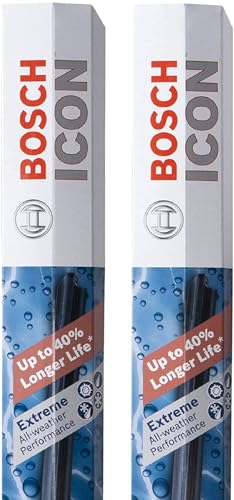
Choosing the right windshield wiper blades can be confusing with so many options on the market. Our editorial team compared specifications, buyer feedback and key decision factors to help you make an informed choice. This guide covers blade types, sizes, attachments, materials, and features like water repellency, plus how to read your car's manual and measure old blades.
Wiper Blade Types
There are three main types of wiper blades: traditional, beam, and hybrid. Each has its own strengths and weaknesses.
Traditional (Conventional) Blades
Traditional blades have a metal frame with multiple pressure points that hold the rubber blade against the windshield. They are affordable and widely available, but they can be prone to ice and snow buildup in winter. They also tend to wear unevenly over time.
Beam Blades
Beam blades feature a single, curved piece of rubber with no external frame. This design distributes pressure evenly across the entire blade, reducing streaks and chattering. They are more aerodynamic, which helps at high speeds, and they perform better in harsh weather because there are no joints for ice to clog. However, they can be more expensive.
Hybrid Blades
Hybrid blades combine the durability of a beam blade with the wind protection of a traditional frame. They have a beam-like internal structure but are covered with a sleek plastic shell. This design offers the best of both worlds: even pressure and protection from the elements. They are a popular choice for all-season use.
Finding the Right Size
Using the correct size wiper blades is crucial for proper coverage. Blades that are too long can overlap and cause streaks, while blades that are too short leave areas of the windshield uncleaned.
Check Your Owner's Manual
Your car's manual lists the recommended wiper blade sizes for the driver and passenger sides. Look for a section on wiper blades or exterior maintenance. The manual will specify lengths in inches or millimeters.
Measure Old Blades
If you don't have the manual, you can measure your old blades. Remove the blade from the wiper arm and lay it flat. Use a tape measure to find the length from one end of the rubber to the other. Round to the nearest inch. Note that the driver and passenger side may be different sizes.
Use Online Tools
Many manufacturers and retailers offer online fit guides. Enter your vehicle's year, make, and model to see recommended sizes. This is a quick way to confirm your measurements.
Attachment Types
Wiper blades attach to the wiper arm in several ways. Make sure you choose a blade that is compatible with your car's arm type.
- Hook (J-hook): This is the most common type. The arm has a curved hook that slides into the blade's connector. Look for blades with a universal adapter that fits hook arms.
- Pinch Tab (Side Pin): Some vehicles use a small tab on the side of the arm that locks into the blade. This is common on some Ford and older models.
- Bayonet (Push Button): This type has a flat arm with a button on top that releases the blade. It is common on many European cars.
- Locking Lever: This is a less common type where a lever locks the blade onto the arm. It is often found on certain Japanese vehicles.
Most blades come with multiple adapters to fit various arms. Check the packaging to see if it includes the adapter for your car.
Materials and Features
Wiper blades are made from different materials, and some have special features that enhance performance.
Rubber vs. Silicone
Traditional blades use natural rubber, which is soft and flexible but degrades over time. Silicone blades last longer and are more resistant to heat and UV damage. They also tend to be more expensive.
Water Repellency
Some blades are coated with a water-repellent material that causes rain to bead up and roll off the windshield. This improves visibility during light rain and reduces the need for wiper use. However, the coating wears off over time and may require reapplication.
Winter Blades
Winter wiper blades have a rubber boot that covers the metal frame to prevent ice buildup. They are designed for snowy conditions and can be used year-round, but they may not perform as well in warm weather.
Aerodynamic Design
Beam and hybrid blades often have a spoiler that increases downforce at high speeds, keeping the blade firmly on the windshield. This reduces lift and chattering.
Frequently Asked Questions
How often should I replace my wiper blades?
Most manufacturers recommend replacing wiper blades every 6 to 12 months. However, if you notice streaking, skipping, or chattering, replace them sooner. Climate and usage affect lifespan.
Can I install wiper blades myself?
Yes, most wiper blades are designed for easy DIY installation. You just need to match the attachment type and size. Refer to your vehicle manual or the blade's instructions for specific steps.
What does 'beam' mean in wiper blades?
Beam wiper blades have a single, curved piece of rubber without a metal frame. They distribute pressure evenly, perform better in snow and ice, and are more aerodynamic than traditional blades.
When you are ready to purchase, check the current price on Amazon for the best deals. Remember to verify compatibility with your vehicle before buying.