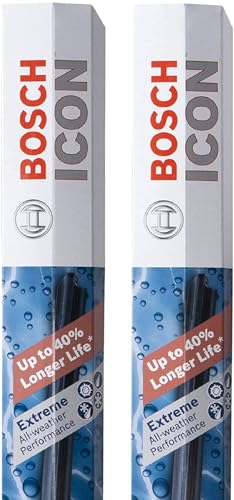
Wiper streaks usually mean worn rubber, an oily film, or uneven arm pressure. Clean the glass and blades first; if streaks persist, replace the blades.
Why Windshield Wipers Streak
Streaking wipers are a common frustration for drivers. They reduce visibility, especially at night or in rain, and can be a safety hazard. Understanding the root causes helps you fix the problem quickly and avoid it in the future.
There are three main culprits behind wiper streaking: worn rubber, an oil film on the glass, and improper wiper arm pressure. Let's break each down.
Worn or Hardened Rubber
Wiper blades are made of rubber that degrades over time. Exposure to sunlight, heat, and cold causes the rubber to harden, crack, or lose its flexible edge. When the rubber is no longer smooth, it leaves streaks or skips across the glass. Most blades last 6 to 12 months, depending on climate and usage. For example, in Arizona's intense heat, blades may only last six months, while in milder climates they can last a year or more. The rubber also wears down from friction, especially if you use your wipers frequently or on dirty windshields.
Oil, Wax, or Dirt Film on the Windshield
Even if your blades are new, a film of oil, road grime, or wax from a recent car wash can cause streaking. This film repels water unevenly, causing the wiper to smear rather than clear. Road oils, exhaust residue, and tree sap can build up over time. For instance, if you park under a pine tree, sticky sap can create a tacky film that grabs the blade and causes streaking. Similarly, if you drive behind a diesel truck, exhaust soot can leave a greasy layer on the glass. Even some windshield washer fluids leave a residue that contributes to streaking.
Uneven Wiper Arm Pressure
The wiper arm applies pressure to the blade. If the arm is bent, the spring is weak, or the blade is not seated correctly, the pressure is uneven. This means part of the blade may not touch the glass, leaving streaks or a wet line. You can often see this as a gap between the blade and the windshield. For example, if you accidentally hit a curb and the wiper arm got bent, it might not press evenly. Also, over time, the spring in the arm can weaken, reducing pressure. A simple test is to lift the wiper arm and let it drop gently; if it doesn't snap back firmly, the spring may be weak.
How to Fix Streaking Wipers
Before you rush to buy new blades, try these steps. They cost little and often solve the problem.
- Clean the windshield thoroughly. Use a dedicated automotive glass cleaner or a mix of water and vinegar. Spray it on and wipe with a clean microfiber cloth. Pay attention to the area where the wipers rest. This removes oil and dirt that cause streaking. For stubborn grime, use a clay bar to remove embedded contaminants. You can also use a razor blade scraper at a 45 degree angle to remove stubborn residue, but be careful not to scratch the glass.
- Clean the wiper blades. Lift the wiper arms away from the glass. Wipe the rubber edge with a cloth soaked in rubbing alcohol or a mild dish soap solution. This removes built-up rubber residue and oil. Rinse with water. You can also use a soft brush to gently scrub the edge. Avoid using gasoline or harsh solvents, as they can damage the rubber.
- Check for wear. Run your finger along the rubber edge. If it feels rough, cracked, or has a rounded edge, the blade is worn. Also look for any nicks or tears. If the rubber is torn or missing chunks, replacement is necessary. Sometimes the blade can look fine but have a worn edge that you can't see; if cleaning doesn't help, replacement is the next step.
- Adjust the wiper arm pressure. If the blade leaves a gap, you can gently bend the arm (with care) to increase pressure. But this is tricky; if you're not confident, have a professional do it. Also ensure the blade is clicked into the hook properly. Sometimes the blade can be installed incorrectly, causing uneven pressure. Check the connection point and make sure it's secure.
- Test your work. Spray washer fluid and run the wipers. If streaks are gone, you're set. If not, the blades likely need replacement. Also test at different speeds, as some blades may streak at high speeds due to wind lift.
When to Replace Your Wiper Blades
If cleaning doesn't fix the streaks, it's time for new blades. Here are signs that replacement is needed:
- Streaking or smearing that persists after cleaning.
- Chattering or skipping across the glass.
- Visible cracks, tears, or a rough edge on the rubber.
- Blades are older than 6 to 12 months.
When choosing new blades, consider the type that fits your vehicle. Traditional bracket blades are inexpensive but can be less durable. Beam blades (also called flat blades) are more aerodynamic and often last longer. Hybrid blades combine features. Check your owner's manual or use an online fit guide to find the right size. Also, consider the climate you live in. If you experience heavy snow or ice, winter blades with a rubber boot can prevent ice buildup. For hot climates, silicone blades might last longer than rubber ones.
Our editorial team compared specifications, buyer feedback, and key decision factors for popular wiper brands. Look for blades with a reputation for durability and a tight, even wipe. Some brands offer a warranty, which can be valuable. For example, some brands offer a lifetime warranty, while others offer a one year warranty. Also, check the customer reviews for mentions of streaking or durability issues. A blade that works well on one vehicle may not work on another due to arm pressure and curvature.
Preventing Future Streaking
Regular maintenance can extend the life of your wipers and keep your windshield clear.
- Clean your windshield every couple of weeks, especially if you park under trees or near busy roads. Use a glass cleaner that doesn't leave a residue, and wipe with a clean microfiber cloth.
- Wipe the wiper blades with a damp cloth when you wash your car. This removes dirt and debris that can cause streaking.
- Avoid using your wipers on a dry or icy windshield, as this damages the rubber. If you need to clear ice, use an ice scraper first.
- Park in the shade or use a windshield cover to protect blades from UV rays. Prolonged sun exposure can cause the rubber to harden and crack.
- Consider a water-repellent treatment for your glass, which helps water bead and reduces the load on your wipers. These treatments can last for weeks or months, depending on the product.
By following these tips, you can enjoy a clear view in any weather. If streaks persist, don't hesitate to replace your blades. It's a small investment in safety.
Remember, the key to fixing streaks is to address the cause: worn rubber, oily film, or arm pressure. Clean first, then replace if needed. And always check the current price on Amazon for quality wiper blades that fit your car.