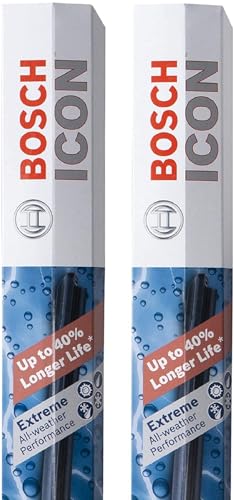
Squeaky wipers are usually caused by worn rubber, a dirty windshield, or a misaligned wiper arm. Try cleaning both the glass and blades first, then adjust the arm angle. If the squeak persists, replace the blades.
Why Do Windshield Wipers Squeak?
Squeaking wipers are more than just an annoyance. They can indicate that your wipers are not clearing the windshield effectively, which can reduce visibility and compromise safety. Understanding the root cause is the first step to a quiet, clean windshield.
Our editorial team compared specifications, buyer feedback and key decision factors to bring you this troubleshooting guide. Here are the most common culprits behind wiper squeaks.
1. Worn or hardened wiper blades
The most frequent cause of squeaking is a worn or aged wiper blade. Over time, the rubber edge becomes cracked, brittle, or rounded. This prevents the blade from gliding smoothly across the glass, causing it to grip and release, which produces a squeak or chatter. Exposure to sunlight, ozone, and extreme temperatures accelerates rubber degradation.
2. Dirty windshield or blades
A film of road grime, tree sap, bird droppings, or old wax on the windshield can cause the wiper blade to skip and squeak. Similarly, the blade itself can collect dirt and debris, making its edge rough. Even a small particle can cause a squeak as it drags across the glass.
3. Incorrect wiper arm angle
Wiper arms are designed to press the blade against the windshield at a specific angle, usually perpendicular to the glass. If the arm is bent or twisted, the blade may not sit flat, causing uneven pressure and a squeaking or chattering sound. This can happen after an accident, from hitting a snow pile, or from improper manual lifting.
4. Damaged wiper arms or linkage
Less common but possible, a damaged wiper arm (such as a bent arm or a worn pivot point) or loose linkage can cause the blade to move unevenly, leading to squeaks. Also, a weak or broken wiper arm spring can reduce downforce, so the blade lifts slightly and vibrates.
How to Fix Squeaky Windshield Wipers
Before you spend money on new blades, try these troubleshooting steps. They can often resolve the issue quickly and save you a few dollars.
- Clean the windshield and blades. Use a good glass cleaner or a mixture of water and rubbing alcohol. Spray the cleaner on the windshield and wipe it with a clean microfiber cloth. Then, lift the wiper arms away from the glass and wipe the rubber edge of each blade with the same cleaner. This removes grime and old wax that can cause squeaking.
- Check the wiper blade condition. Look for cracks, tears, or a rounded edge on the rubber. Run your finger gently along the edge. If it feels rough or brittle, the blade is worn and should be replaced. Also, check if the blade is loose on the arm or if the frame is bent.
- Adjust the wiper arm angle. With the wipers off, carefully lift the arm away from the windshield. Use a wrench to loosen the nut at the base of the arm (if accessible) and gently twist the arm so the blade sits flat against the glass. The blade should be perpendicular to the glass. Tighten the nut and test. If you are not comfortable doing this, a professional can do it in minutes.
- Use a wiper treatment. Some drivers find that applying a commercial wiper treatment or a thin coat of silicone spray to the rubber edge reduces friction and squeaks. However, this is a temporary fix and may not work for severely worn blades.
- Replace the wiper blades. If cleaning and adjustment do not stop the squeak, or if the blades are visibly worn, replacement is the best solution. Choose high-quality blades that match your vehicle's specifications. Consider beam-style blades for better performance and durability.
When to Replace Wiper Blades
Even with proper care, wiper blades wear out. Here are signs that it's time for new blades:
- Streaking or smearing on the windshield after wiping.
- Chattering or squeaking that persists after cleaning and adjustment.
- Visible cracks, splits, or missing chunks in the rubber.
- The blade leaves a film or haze that reduces visibility.
- You can't remember the last time you replaced them.
Replacing wiper blades is a simple DIY task. Most blades attach with a hook or a side pin. Check your vehicle's owner's manual or the existing blade for the correct size and attachment type. When installing, make sure the blade clicks securely into place and the rubber edge is facing the correct direction.
If you are unsure about the right blades for your car, use an online fitment guide or consult a parts specialist. Quality blades may cost a bit more but often last longer and perform better.
In summary, a squeaky wiper is usually a sign of a simple problem. Start with cleaning, then check the blade condition and arm alignment. If those don't help, replace the blades. Regular maintenance, like cleaning your windshield and blades monthly, can extend the life of your wipers and keep them quiet.