Your OBD2 scanner may show no codes due to intermittent faults, manufacturer-specific codes not read by generic scanners, or scanner limitations. Check pending codes, use a higher-end scanner, or visit a mechanic for advanced diagnostics.
Why It Happens: Common Reasons for No Codes
When your check engine light glows but your OBD2 scanner reports no codes, it can be frustrating. Our editorial team compared specifications, buyer feedback and key decision factors to identify the most common causes.
Intermittent Faults
Many issues trigger the check engine light only temporarily. For example, a loose gas cap may cause a brief vapor leak, or a misfire may occur only under certain conditions like cold starts or heavy acceleration. Once the fault clears, the code may disappear from the active list but remain as a pending code. Generic scanners often only show confirmed codes, not pending ones. This is why you might see the light on but no codes when you scan later.
Manufacturer-Specific Codes
Some automakers use proprietary codes that generic OBD2 scanners cannot read. These codes relate to advanced systems like transmission, ABS, or hybrid components. For instance, a Toyota might store a code for a hybrid battery issue that a basic scanner ignores. A BMW may have a code for a vanos solenoid that only a factory tool can retrieve. A basic scanner may show no codes even though the manufacturer's system has stored a trouble code.
Scanner Limitations
Not all OBD2 scanners are equal. Older or budget models may not support all protocols (e.g., CAN, J1850, KWP2000). They may also fail to read pending codes, freeze frame data, or manufacturer-specific codes. Check your scanner's compatibility with your vehicle's make and model. For example, some scanners work well with Ford but not with European cars. Also, ensure your scanner is updated with the latest firmware.
ECU Communication Issues
A faulty scanner cable, blown fuse, or damaged OBD2 port can prevent communication. The scanner may appear to work but retrieve no data. Try the scanner on another vehicle to rule out scanner problems. Also, check the OBD2 port for bent pins or debris. A blown fuse for the OBD2 system (often labeled DLC or OBD) can cut power to the port. Locate the fuse box and inspect the relevant fuse.
How to Fix: Step-by-Step Troubleshooting
- Check for pending codes. Many scanners have a mode to read pending codes. These are codes that have occurred but haven't yet met the criteria to turn on the check engine light solidly. If found, address the underlying issue. For example, a pending misfire code might indicate a failing spark plug.
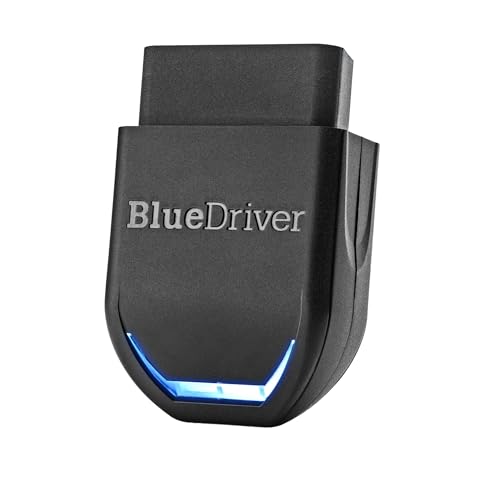
- Use a scanner with enhanced capabilities. Upgrade to a scanner that supports manufacturer-specific codes and all OBD2 protocols. Look for models that offer live data and freeze frame analysis. Brands like Autel, BlueDriver, or Launch offer such features.
- Inspect the OBD2 port and fuses. Ensure the port is clean and not damaged. Check the vehicle's fuse box for any blown fuses related to the OBD2 system (often labeled DLC or OBD). Replace any blown fuses and retry.
- Perform a manual check. Sometimes the check engine light is triggered by a fault that doesn't generate a code, such as a weak battery or alternator. Use a multimeter to test battery voltage (should be around 12.6V when off, 13.7-14.7V when running). Also check for loose or corroded battery terminals.
- Consult a professional. If all else fails, a mechanic with a factory-level scan tool can retrieve codes that generic scanners miss. They can also perform advanced diagnostics like oscilloscope tests to check sensor signals.
When to Replace Your Scanner
If you frequently encounter no-code situations, consider replacing your OBD2 scanner. Look for a model that offers:
- Full OBD2 protocol support (including CAN, J1850, KWP2000)
- Manufacturer-specific code reading (e.g., for BMW, Toyota, Ford)
- Pending code and freeze frame data access
- Live data streaming and graphing
Understanding Freeze Frame Data
Freeze frame data captures the vehicle's operating conditions at the moment a fault code is stored. This includes parameters like engine RPM, coolant temperature, vehicle speed, and fuel trim. Even if your scanner shows no codes, freeze frame data might still be available. Some scanners can retrieve freeze frame data even without a confirmed code. This data can help you identify the conditions that triggered the check engine light. For example, if freeze frame shows high coolant temperature, you might suspect a cooling system issue.
Preventive Measures to Avoid Future No-Code Issues
To minimize the chance of encountering no-code situations, keep your OBD2 scanner updated and maintain your vehicle regularly. Check for software updates for your scanner from the manufacturer. Also, perform routine maintenance like replacing spark plugs, checking gas cap seal, and cleaning battery terminals. A well-maintained vehicle is less likely to produce intermittent faults that confuse scanners.
In summary, a check engine light with no codes often points to intermittent faults, scanner limitations, or manufacturer-specific codes. By using a better scanner and following the steps above, you can diagnose the issue and keep your car running smoothly.