Digital Cameras
Best Cameras for Vlogging: Top Picks for Every Creator
7 picks compared
6 min read
ProductPickly is reader-supported. When you buy through links on our site, we may earn an affiliate commission at no extra cost to you. It never changes our picks.
The short answerFor most vloggers, the Sony ZV-E10, DJI Osmo Pocket 3, and Canon EOS R50 lead the pack. The ZV-E10 excels in interchangeable lens flexibility, the Pocket 3 offers unmatched portability, and the R50 delivers strong autofocus and 4K. Your choice depends on your budget and shooting style.
?How we pickedWe compare published specifications, safety certifications and thousands of verified owner reviews, and we do not physically test every unit. Read the full process in our review methodology.
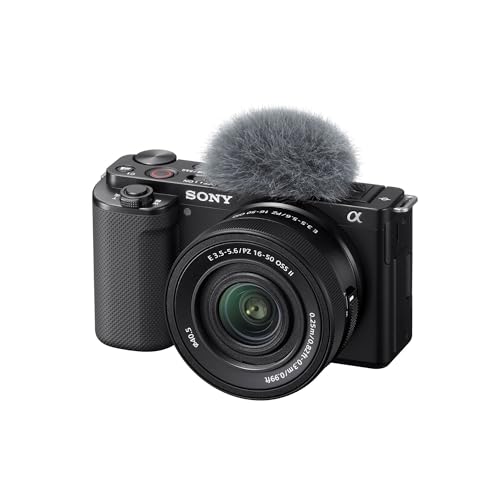
Sony ZV-E10
★★★★★ 4.7 / 5 best overall for interchangeable lenses
The Sony ZV-E10 pairs a 24.2MP APS-C sensor with a flip-out touchscreen. It records 4K video with no crop and features real-time eye autofocus. Its compact body is ideal for creators who want to change lenses.
Sensor 24.2MP APS-C CMOSVideo 4K/30p, 1080/120pScreen 3-inch vari-angle touchAudio 3.5mm mic, digital audio interface
- Excellent autofocus tracking
- Flip-out screen for self-recording
- Large lens mount ecosystem
- No in-body stabilization
- No viewfinder
Best for: best overall for interchangeable lenses
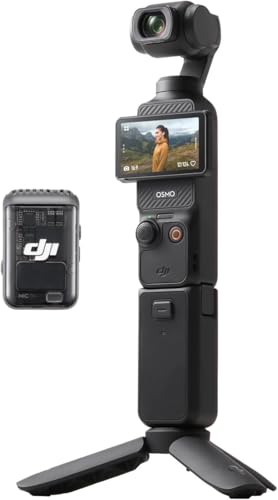
DJI Osmo Pocket 3
★★★★★ 4.8 / 5 best for travel and portability
The DJI Osmo Pocket 3 fits in your pocket yet shoots 4K/120p video. Its 1-inch sensor and 3-axis gimbal deliver smooth footage without extra gear. The 2-inch touchscreen rotates for easy framing.
Sensor 1-inch CMOSVideo 4K/120p, 1080/240pStabilization 3-axis gimbalScreen 2-inch rotatable touch
- Built-in gimbal for stable shots
- Ultra-compact and travel-friendly
- Fast active tracking
- Fixed lens, no zoom
- Small screen for reviewing footage
Best for: best for travel and portability
Canon EOS R50
★★★★★ 4.8 / 5 best for beginners
The Canon EOS R50 is a lightweight mirrorless camera with a 24.2MP APS-C sensor. It shoots 4K/30p with dual pixel autofocus and has a fully articulating touchscreen. Guided menus help new users learn quickly.
Sensor 24.2MP APS-C CMOSVideo 4K/30p, 1080/120pScreen 3-inch vari-angle touchAutofocus Dual Pixel CMOS AF II
- Intuitive guided interface
- Reliable face and eye detection
- Compact and affordable
- Single card slot
- No headphone jack
Best for: best for beginners
Sony ZV-1 II
★★★★★ 4.6 / 5 best compact point-and-shoot
The Sony ZV-1 II features a 1-inch sensor and a wide 18-50mm lens. It records 4K video with a flip-out screen and a built-in 3-capsule mic. Its compact size makes it easy to carry daily.
Sensor 1-inch CMOSVideo 4K/30p, 1080/120pLens 18-50mm f/1.8-4Screen 3-inch vari-angle touch
- Wide-angle lens for selfies
- Built-in ND filter
- Great out-of-camera color
- Small sensor limits low light
- No external mic input on some models
Best for: best compact point-and-shoot
GoPro HERO12 Black
★★★★★ 4.7 / 5 best for action and adventure vlogging
The GoPro HERO12 Black is waterproof to 10 meters and captures 5.3K video. Its HyperSmooth 6.0 stabilization keeps footage steady during extreme activities. The front color screen helps with framing.
Video 5.3K/60p, 4K/120pStabilization HyperSmooth 6.0Waterproof 10m (33ft)Screen Front color + rear touch
- Durable and waterproof
- Excellent stabilization
- High frame rates for slow motion
- Small sensor in low light
- Requires housing for some mounts
Best for: best for action and adventure vlogging
Panasonic Lumix G100
★★★★★ 4.4 / 5 best budget vlogging camera
The Panasonic Lumix G100 offers a Micro Four Thirds sensor and 4K/30p recording. It includes a built-in microphone with tracking that follows the subject. Its compact body and flip screen make it a budget-friendly choice.
Sensor 20.3MP Micro Four ThirdsVideo 4K/30p, 1080/60pScreen 3-inch vari-angle touchAudio Built-in mic with tracking
- Affordable price point
- Good audio quality for built-in mic
- Lightweight and compact
- No in-body stabilization
- Autofocus can hunt in low light
Best for: best budget vlogging camera
Sony FX30
★★★★★ 4.8 / 5 best for professional vlogging and filmmaking
The Sony FX30 is a cinema line camera with a 26.1MP APS-C sensor. It records 4K/120p in 10-bit color with S-Cinetone. Its robust build and dual card slots appeal to serious creators.
Sensor 26.1MP APS-C CMOSVideo 4K/120p, 10-bit 4:2:2Screen 3-inch vari-angle touchAudio XLR handle adapter available
- High-quality 10-bit video
- Dual card slots
- Professional audio options
- Higher price point
- No built-in ND filters
Best for: best for professional vlogging and filmmaking
We compared specifications, owner feedback, and use-case fit across current models. Our picks cover everything from pocket-sized action to professional-grade 4K.
What to Look for in a Vlogging Camera
Start with video resolution and frame rates. Most vloggers need 4K at 30fps or higher. A flip-out screen is crucial for self-recording. Check autofocus performance, especially face and eye tracking. Stabilization matters if you shoot handheld. Audio inputs like a 3.5mm mic jack improve sound quality.
Sensor Size and Low Light
Larger sensors capture more light and produce better low-light footage. Full-frame and APS-C sensors excel in dim conditions. Compact 1-inch sensors are portable but struggle at night. Micro Four Thirds offers a balance of size and quality. Consider your typical shooting environment.
Stabilization and Mounting
In-body stabilization (IBIS) reduces camera shake. Some cameras rely on lens stabilization or digital stabilization. For action vlogging, a gimbal or action camera is essential. Tripods and selfie sticks add versatility. Think about how you will hold the camera during shoots.
Audio Quality
Built-in microphones are often inadequate for professional sound. A 3.5mm mic jack allows external mics. Some cameras support digital audio via a multi-interface shoe. Wind noise can ruin outdoor footage. Invest in a windscreen or a dedicated microphone for better results.
Questions people ask
What is the best camera for vlogging for beginners?
The Canon EOS R50 is a top pick for beginners. It offers guided menus, reliable autofocus, and 4K video. Its compact size makes it easy to handle.
Can I use a DSLR for vlogging?
Yes, many DSLRs offer good video quality. However, mirrorless cameras are generally lighter and have better autofocus for video. DSLRs can be bulkier and may have contrast-detect AF.
Is 4K necessary for vlogging?
4K gives you flexibility to crop and future-proofs your content. Most modern vlogging cameras shoot 4K. If you only post to social media, 1080p may suffice, but 4K is recommended.
What is the difference between a vlogging camera and a regular camera?
Vlogging cameras typically have flip screens, good autofocus, and external mic support. They are often compact and prioritize video features. Regular cameras may focus more on stills.
How important is autofocus for vlogging?
Autofocus is critical for self-recording. Look for face and eye detection that keeps you in focus. Continuous autofocus prevents blurry footage when you move.
Do I need a camera with a flip screen?
A flip screen lets you see yourself while recording. It is essential for solo vloggers. Without it, you may need an external monitor.
Can I use my smartphone for vlogging?
Yes, smartphones can produce great video. However, dedicated cameras offer better lenses, sensors, and audio options. For serious vlogging, a camera is often worth the investment.
What is the best budget vlogging camera?
The Panasonic Lumix G100 is a strong budget option. It offers 4K video, a flip screen, and good built-in audio. It lacks stabilization, but you can use a gimbal.
Is the DJI Osmo Pocket 3 good for vlogging?
Yes, it is excellent for travel vlogging. Its gimbal stabilization and compact size make it easy to carry. The 1-inch sensor delivers good quality, but the fixed lens limits zoom.
How much should I spend on a vlogging camera?
Budget models start around while professional cameras exceed Determine your needs and upgrade as you grow. A mid-range camera like the Sony ZV-E10 offers great value.
The bottom lineSo which one?
The Sony ZV-E10 is the best overall for its lens flexibility and autofocus. For travel, the DJI Osmo Pocket 3 is unmatched. Beginners will appreciate the Canon EOS R50. Choose based on your priorities and budget.