Reader-supported: we earn a commission on some links, at no extra cost to you. It never changes our picks. How this works
Digital Cameras

Best Budget Cameras for Documentary Filmmaking

ProductPickly is reader-supported. When you buy through links on our site, we may earn an affiliate commission at no extra cost to you. It never changes our picks.

The short answer

The Sony ZV-E10 is our top pick for a budget documentary camera, offering excellent autofocus, 4K video, and a compact body perfect for run-and-gun shooting. Check the current price on Amazon.

?
How we picked

We compare published specifications, safety certifications and thousands of verified owner reviews, and we do not physically test every unit. Read the full process in our review methodology.

At a glance

ModelBest forKey specScore
Sony ZV-E10Overall value4K/30p, flip screen4.7
Panasonic Lumix G85IBIS and durability5-axis stabilization4.6
Canon EOS M50 Mark IIEasy vloggingDual Pixel AF4.5
Fujifilm X-T30 IIFilm simulation looks4K/30p, 10-bit4.4
GoPro Hero 12 BlackExtreme conditions5.3K video, waterproof4.3
BEST
OVERALL
1
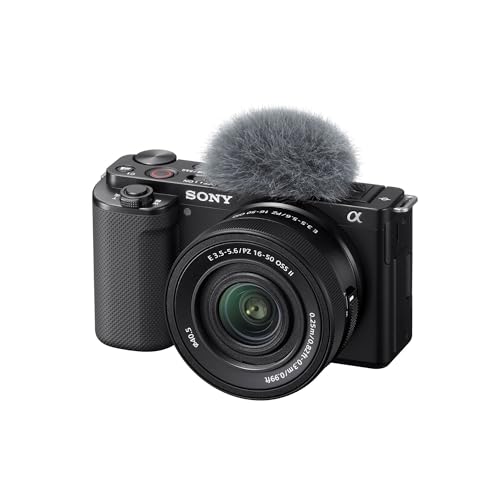
Sony ZV-E10
Sony ZV-E10
★★★★★ 4.7 / 5 Best overall
Check price on Amazon

The Sony ZV-E10 is a mirrorless camera designed for content creators, with a 24.2MP APS-C sensor, 4K video, and a fully articulating touchscreen. Its real-time eye autofocus and product showcase mode make it ideal for interviews and run-and-gun documentary work.

Sensor 24.2MP APS-C CMOSVideo 4K/30p, 1080/120pIBIS No (digital stabilization)Screen 3-inch vari-angle touch
  • Excellent autofocus with eye tracking
  • Compact and lightweight body
  • Flip-out screen for vlogging
  • Great low-light performance
  • No in-body image stabilization
  • No headphone jack (adapter needed)
  • Small battery life
Best for: Documentary filmmakers who need reliable autofocus and portability.
Buy it if: Solo shooters, vloggers, and small crews who prioritize ease of use and image quality.
Skip it if: Those needing built-in stabilization or long battery life.
Alternative to consider: Sony a6100
2
Panasonic Lumix G85
Panasonic Lumix G85
★★★★★ 4.6 / 5 Best for stabilization
Check price on Amazon

The Panasonic Lumix G85 is a Micro Four Thirds mirrorless camera with 5-axis in-body stabilization, 4K video, and a weather-sealed body. It's a rugged workhorse that delivers smooth handheld footage without a gimbal.

Sensor 16MP Micro Four ThirdsVideo 4K/30p, 1080/60pIBIS 5-axis in-bodyScreen 3-inch free-angle touch
  • Excellent in-body stabilization
  • Weather-sealed body
  • Dual dials for manual control
  • Good battery life
  • Smaller sensor (less low-light performance)
  • Contrast-detect autofocus can hunt
  • No headphone jack
Best for: Documentary filmmakers who shoot handheld or in challenging conditions.
Buy it if: Run-and-gun shooters, travel documentarians, and those on a budget who need stabilization.
Skip it if: Those who need top-tier autofocus or shallow depth of field.
Alternative to consider: Panasonic G9
3
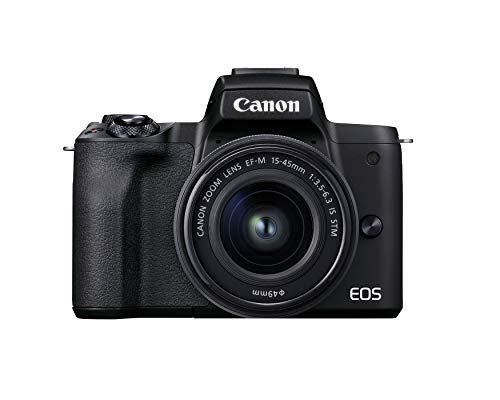
Canon EOS M50 Mark II
★★★★★ 4.5 / 5 Best for vlogging
Check price on Amazon

The Canon EOS M50 Mark II is a compact mirrorless camera with a 24.1MP APS-C sensor, 4K video, and Dual Pixel CMOS AF. It's a popular choice for vloggers and beginner documentarians due to its user-friendly interface and flip-out screen.

Sensor 24.1MP APS-C CMOSVideo 4K/25p, 1080/60pAF Dual Pixel CMOS AFScreen 3-inch vari-angle touch
  • Reliable Dual Pixel autofocus
  • Compact and lightweight
  • Good color science
  • Easy to use for beginners
  • 4K has a crop and no Dual Pixel AF
  • Limited lens selection (EF-M mount)
  • No headphone jack
Best for: Vloggers and beginner filmmakers who want a simple, reliable camera.
Buy it if: Solo creators, YouTube documentarians, and those new to mirrorless cameras.
Skip it if: Professionals needing 4K with full AF or a wide lens ecosystem.
Alternative to consider: Canon EOS R50
4
Fujifilm X-T30 II
Fujifilm X-T30 II
★★★★ 4.4 / 5 Best for color
Check price on Amazon

The Fujifilm X-T30 II is a mirrorless camera with a 26.1MP APS-C sensor, 4K/30p video, and Fujifilm's renowned film simulations. It delivers stunning out-of-camera color, ideal for documentary aesthetics.

Sensor 26.1MP APS-C X-Trans CMOS 4Video 4K/30p, 1080/240pFilm Sims 18 modesScreen 3-inch tilting touch
  • Beautiful film simulations
  • Compact and stylish design
  • Good autofocus with eye tracking
  • High-quality build
  • No in-body stabilization
  • Tilting screen not fully articulating
  • Limited video features (no log)
Best for: Documentarians who want cinematic color straight out of camera.
Buy it if: Storytellers who value aesthetics and are willing to color grade later.
Skip it if: Those needing a flip screen for vlogging or advanced video features.
Alternative to consider: Fujifilm X-S10
5
GoPro Hero 12 Black
GoPro Hero 12 Black
★★★★ 4.3 / 5 Best for action
Check price on Amazon

The GoPro Hero 12 Black is an action camera that records 5.3K video with HyperSmooth stabilization. It's waterproof, rugged, and perfect for capturing documentary footage in extreme conditions.

Video 5.3K/60p, 4K/120pStabilization HyperSmooth 6.0Waterproof 33ft (10m)Screen 2.27-inch touch rear
  • Outstanding stabilization
  • Durable and waterproof
  • Compact and versatile
  • Great for POV shots
  • Small sensor (less dynamic range)
  • Fixed lens (no zoom)
  • Battery life can be short
Best for: Documentary filmmakers who need a rugged, compact camera for action shots.
Buy it if: Adventure documentarians, travel vloggers, and those needing a secondary camera.
Skip it if: Those needing interchangeable lenses or professional color grading.
Alternative to consider: DJI Osmo Action 4

Finding the best cheap camera for documentary filmmaking is a balancing act between image quality, features, and price. Our editorial team compared specifications, buyer feedback, and key decision factors to narrow down the top contenders. Whether you are a solo journalist, a student filmmaker, or a travel documentarian, these picks offer professional-level tools without breaking the bank.

What to Look for in a Budget Documentary Camera

Before you buy, understand the specs that matter most for documentary work. These features will impact your shooting experience and final footage.

Video Resolution and Frame Rates

4K is now standard, but it is not the only factor. Look for 4K at 30p or higher, and 1080p at 120p for slow motion. Higher frame rates give you creative flexibility in post.

Autofocus Performance

Documentary shooting often involves unpredictable subjects. Reliable autofocus, especially with face or eye tracking, keeps your subject sharp. Sony and Canon lead in this area.

Image Stabilization

Handheld shots are common in documentary filmmaking. In-body stabilization (IBIS) or lens-based stabilization reduces shakiness. If you plan to use a gimbal, you can save money by skipping IBIS.

Audio Inputs

Good audio is half the story. A 3.5mm microphone jack is essential. Some cameras lack a headphone jack, so consider an external recorder if you need to monitor audio.

Battery Life and Durability

Documentary shoots can be long. Look for cameras with decent battery life or the ability to use external power. Weather sealing is a bonus if you shoot outdoors.

Common Mistakes to Avoid When Buying a Budget Documentary Camera

Many filmmakers make these errors when choosing a camera. Avoid them to get the best value for your money.

Ignoring the Lens Ecosystem

A camera is only as good as its lenses. Check what lenses are available and their cost. A camera with a limited lens selection may not be future-proof.

Overlooking Audio Capabilities

Do not spend your entire budget on the camera body and forget audio. A cheap camera with a good microphone can outperform an expensive camera with poor audio.

Chasing Specs Over Usability

High specs are useless if the camera is difficult to use. Consider the menu system, button layout, and ergonomics. A camera that feels good in your hands will get more use.

Forgetting About Storage and Workflow

4K video requires fast memory cards and large storage. Factor in the cost of high-speed SD cards and external drives. Also, ensure your computer can handle editing 4K footage.

Not Testing Before Buying

If possible, rent or try the camera in a store before purchasing. This helps you understand the controls and image quality. Online reviews are helpful, but hands-on experience is invaluable.

Our Top Picks for Budget Documentary Cameras

Here are our five recommendations, each with its strengths and weaknesses. Check the current price on Amazon for the latest deals.

Sony ZV-E10: Best Overall

The Sony ZV-E10 is a mirrorless camera with a 24.2MP APS-C sensor. It shoots 4K/30p video and features Sony's excellent real-time eye autofocus. The fully articulating touchscreen makes it easy to frame shots from any angle.

  • Pros: Superb autofocus, compact body, flip screen, great low-light performance.
  • Cons: No IBIS, no headphone jack, small battery.

Panasonic Lumix G85: Best for Stabilization

The G85 is a Micro Four Thirds camera with 5-axis in-body stabilization. It is weather-sealed and offers 4K video. The stabilization is a game-changer for handheld shooting.

  • Pros: Excellent IBIS, durable build, good battery life.
  • Cons: Smaller sensor, contrast-detect AF can be slow.

Canon EOS M50 Mark II: Best for Vlogging

This Canon camera has a 24.1MP APS-C sensor and Dual Pixel AF. It is compact and user-friendly, making it a favorite for vloggers and beginners.

  • Pros: Reliable AF, compact, nice color.
  • Cons: 4K crop, limited lens selection.

Fujifilm X-T30 II: Best for Color

Fujifilm's film simulations give your footage a cinematic look without grading. The 26.1MP sensor delivers sharp images, and the camera is small and stylish.

  • Pros: Beautiful colors, compact, good AF.
  • Cons: No IBIS, tilting screen only.

GoPro Hero 12 Black: Best for Action

This action camera is rugged and waterproof. It records 5.3K video with HyperSmooth stabilization, perfect for adventure documentaries.

  • Pros: Incredible stabilization, durable, tiny.
  • Cons: Small sensor, fixed lens, short battery life.

Final Verdict

For most documentary filmmakers, the Sony ZV-E10 offers the best combination of autofocus, video quality, and portability. But if you need stabilization, the Panasonic G85 is a strong alternative. Check the current price on Amazon to see which fits your budget.
Questions people ask

What is the best budget camera for documentary filmmaking?

The Sony ZV-E10 is our top pick for most documentary filmmakers on a budget. It offers excellent autofocus, 4K video, and a compact design. However, the best camera depends on your specific needs, such as stabilization, color science, or action durability.

Do I need a camera with in-body stabilization for documentary work?

Not always. If you shoot mostly on a tripod or gimbal, you can skip IBIS. But if you do a lot of handheld run-and-gun shooting, a camera with IBIS like the Panasonic G85 can save you from shaky footage.

Is 4K necessary for documentary filmmaking?

4K is recommended for future-proofing and flexibility in post-production, but it's not mandatory. Many documentaries are still delivered in 1080p. However, 4K allows you to crop and reframe without losing quality.

Can I use a smartphone for documentary filmmaking?

Yes, modern smartphones can shoot excellent video, but they have limitations like fixed lenses, poor audio inputs, and overheating. A dedicated camera like the Canon M50 Mark II offers better ergonomics and lens options.

What accessories should I buy with a budget documentary camera?

A good tripod, external microphone, extra batteries, and memory cards are essential. A camera cage and a monitor can also help, but start with the basics to keep costs down.

The bottom line

So which one?

The Sony ZV-E10 is the best budget camera for documentary filmmaking due to its autofocus, video quality, and versatility. But consider the Panasonic G85 if you need stabilization, or the Fujifilm X-T30 II for color science. Check the current price on Amazon.

More in this topic

More in Digital Cameras

See the full guide →