Digital Cameras
Cheap 4K Cameras That Don't Compromise
7 picks compared
6 min read
ProductPickly is reader-supported. When you buy through links on our site, we may earn an affiliate commission at no extra cost to you. It never changes our picks.
The short answerFor the best cheap 4K cameras, the Sony ZV-1F leads for vlogging, the GoPro Hero 12 Black excels in action, and the Canon EOS R50 offers interchangeable lenses. All deliver sharp 4K without breaking the bank.
?How we pickedWe compare published specifications, safety certifications and thousands of verified owner reviews, and we do not physically test every unit. Read the full process in our review methodology.
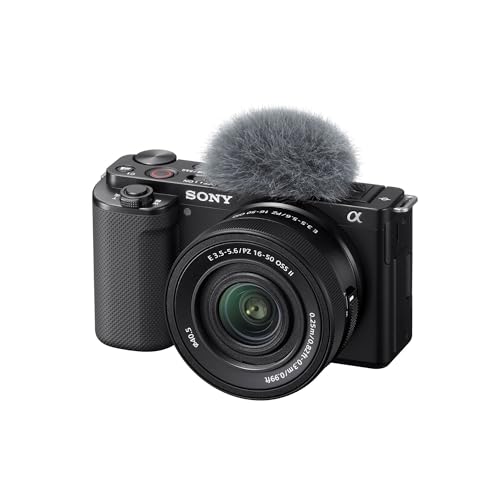
Sony ZV-1F
★★★★★ 4.6 / 5 best overall for vlogging
The Sony ZV-1F is a compact camera built for content creators. It shoots 4K video with a wide 20mm lens, ideal for selfies. Its built-in microphone and flip screen make it a top pick for vlogging.
Sensor 1-inch CMOSVideo 4K/30pLens 20mm f/2.0Screen 3-inch flip touchscreen
- Excellent autofocus with eye tracking
- Compact and lightweight
- Great audio quality
Best for: best overall for vlogging
GoPro Hero 12 Black
★★★★★ 4.7 / 5 best for action and adventure
The GoPro Hero 12 Black captures stunning 5.3K video, but it also shoots 4K at 120fps. It is waterproof to 33 feet without a case. Its HyperSmooth 6.0 stabilization keeps footage steady in any condition.
Sensor 1/1.9-inch CMOSVideo 5.3K/60p, 4K/120pWaterproof 33ft (10m)Stabilization HyperSmooth 6.0
- Extremely durable
- Top-tier stabilization
- High frame rates for slow motion
- Small sensor in low light
- Requires accessories for vlogging
Best for: best for action and adventure
Canon EOS R50
★★★★★ 4.8 / 5 best for interchangeable lenses
The Canon EOS R50 is a mirrorless camera with a 24.2MP APS-C sensor. It records 4K/30p video with dual pixel autofocus. Its RF mount gives access to a wide range of lenses.
Sensor 24.2MP APS-C CMOSVideo 4K/30pAutofocus Dual Pixel CMOS AF IIMount RF
- Interchangeable lenses
- Fast and accurate autofocus
- Compact body
- No in-body stabilization
- Single card slot
Best for: best for interchangeable lenses
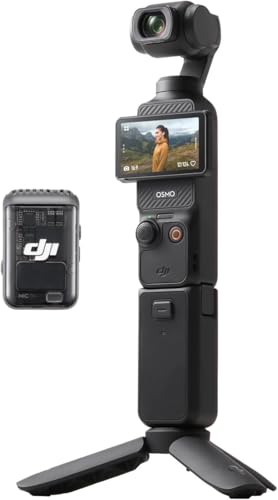
DJI Osmo Pocket 3
★★★★★ 4.7 / 5 best for smooth handheld video
The DJI Osmo Pocket 3 features a 1-inch sensor and a built-in 3-axis gimbal. It records 4K/120p video with excellent stabilization. Its small size makes it perfect for travel and everyday use.
Sensor 1-inch CMOSVideo 4K/120pStabilization 3-axis gimbalScreen 2-inch touchscreen
- Incredible stabilization
- Compact and portable
- Great image quality
- Fixed lens
- Battery not replaceable
Best for: best for smooth handheld video
Panasonic Lumix G7
★★★★★ 4.6 / 5 best budget 4K mirrorless
The Panasonic Lumix G7 is a Micro Four Thirds camera that shoots 4K/30p video. It offers a fully articulated touchscreen and 4K photo mode. It remains a favorite for budget filmmakers.
Sensor 16MP Micro Four ThirdsVideo 4K/30pScreen 3-inch articulating touchscreenViewfinder OLED
- Excellent value
- Interchangeable lenses
- Good video features
- No in-body stabilization
- Contrast-detect autofocus
Best for: best budget 4K mirrorless
Insta360 X3
★★★★★ 4.5 / 5 best for 360-degree video
The Insta360 X3 captures 5.7K 360-degree video and 4K single-lens mode. It has a durable waterproof design and invisible selfie stick capability. It is ideal for immersive content.
Sensor Dual 1/2.3-inch CMOSVideo 5.7K/30p, 4K/50pWaterproof 33ft (10m)Stabilization FlowState
- Unique 360 perspective
- Reframing in post
- Tough build
- Lower quality in low light
- Requires editing software
Best for: best for 360-degree video
Kodak PIXPRO WPZ2
★★★★★ 4.3 / 5 best ultra-budget for beginners
The Kodak PIXPRO WPZ2 is a rugged waterproof camera that shoots 4K video. It is waterproof to 15 feet and shockproof. It is an affordable entry point for casual users.
Sensor 16MP CMOSVideo 4K/30pWaterproof 15ft (4.5m)Zoom 4x optical
- Very affordable
- Rugged design
- Simple to use
- Small sensor
- Limited manual controls
Best for: best ultra-budget for beginners
The challenge is separating real value from gimmicks. We compared specs, owner feedback, and use-case fit to find the best picks.
What to Look For in a Cheap 4K Camera
Start with the sensor size. Larger sensors like 1-inch or APS-C perform better in low light. Check the video resolution and frame rates. Most budget cameras shoot 4K at 30fps, but some offer 60fps or higher. Autofocus is crucial for vlogging and action. Look for face or eye detection. Stabilization matters if you shoot handheld. Optical or sensor-shift stabilization is better than digital. Consider the lens. A fixed wide-angle lens is fine for vlogging, but an interchangeable lens system offers flexibility. Finally, think about battery life and storage. 4K files are large, so bring extra cards.
Vlogging vs. Action vs. Everyday Use
For vlogging, prioritize a flip screen, good microphone input, and reliable autofocus. The Sony ZV-1F excels here. For action, durability and stabilization are key. The GoPro Hero 12 Black is a top choice. For everyday use, a compact camera like the DJI Osmo Pocket 3 is easy to carry. If you want to grow your skills, a mirrorless camera like the Canon EOS R50 offers lens options. Each type has trade-offs. Vlogging cameras often have fixed lenses. Action cameras have small sensors. Everyday cameras may lack advanced features. Match the camera to your primary use.
Sensor Size and Low Light Performance
Sensor size directly affects image quality. Larger sensors capture more light, reducing noise in dim conditions. A 1-inch sensor is a good balance for budget cameras. APS-C sensors are even better but cost more. Micro Four Thirds sensors are smaller but still decent. In low light, a larger sensor with a fast lens (low f-number) helps. The Sony ZV-1F has a 1-inch sensor and f/2.0 lens. The Canon EOS R50 has an APS-C sensor. For indoor or night shots, prioritize sensor size. Action cameras struggle in low light due to tiny sensors. If you shoot mostly outdoors in daylight, a small sensor may be fine.
Autofocus and Stabilization
Autofocus speed and accuracy vary widely. Phase-detect autofocus is faster than contrast-detect. The Canon EOS R50 uses dual pixel autofocus, which is excellent. Sony's real-time tracking is also top-notch. For video, continuous autofocus is essential to keep subjects sharp. Stabilization prevents shaky footage. Optical stabilization in the lens or sensor-shift in the body works best. The DJI Osmo Pocket 3 has a gimbal, which is superior. Digital stabilization can crop the image and reduce quality. Test the autofocus in your intended scenario. If you shoot fast-moving subjects, look for advanced tracking.
Questions people ask
What is the cheapest 4K camera?
The Kodak PIXPRO WPZ2 is one of the most affordable 4K cameras. It offers basic features and a rugged design. However, it lacks advanced controls and has a small sensor.
Can a cheap 4K camera be good for vlogging?
Yes, the Sony ZV-1F is a great budget vlogging camera. It has a flip screen, good autofocus, and a wide lens. The DJI Osmo Pocket 3 is also excellent for vlogging on the go.
Is 4K worth it on a budget camera?
4K gives you more detail and flexibility in editing. Even budget cameras can produce sharp 4K footage. However, check the bitrate and crop factor. Some cameras crop in 4K, reducing the field of view.
Which is better for 4K video, the Sony ZV-1F or the Canon EOS R50?
The Canon EOS R50 offers interchangeable lenses and a larger sensor. The Sony ZV-1F is more compact and has a built-in microphone. For vlogging, the ZV-1F is easier to use. For versatility, the R50 wins.
Do I need a gimbal for a 4K camera?
If your camera has good stabilization, you may not need a gimbal. The DJI Osmo Pocket 3 has a built-in gimbal. For cameras without stabilization, a gimbal helps reduce shakiness.
How much storage do I need for 4K video?
4K video uses about 400MB per minute at standard bitrates. A 64GB card holds roughly 2.5 hours. Higher bitrates or frame rates use more space. Invest in fast memory cards (UHS-I or higher).
Can I use a cheap 4K camera for live streaming?
Some cameras support clean HDMI output for streaming. The Canon EOS R50 and Sony ZV-1F can do this. You'll need a capture card or a camera with built-in streaming features. Check the camera's specifications.
Are action cameras good for everyday 4K video?
Action cameras like the GoPro Hero 12 Black are great for outdoor activities. They are durable and have excellent stabilization. However, their small sensors struggle in low light. For indoor use, a larger sensor camera is better.
The bottom lineSo which one?
For most people, the Sony ZV-1F offers the best balance of price and vlogging features. If you need durability and action, the GoPro Hero 12 Black is unbeatable. For interchangeable lenses, the Canon EOS R50 is a smart investment.