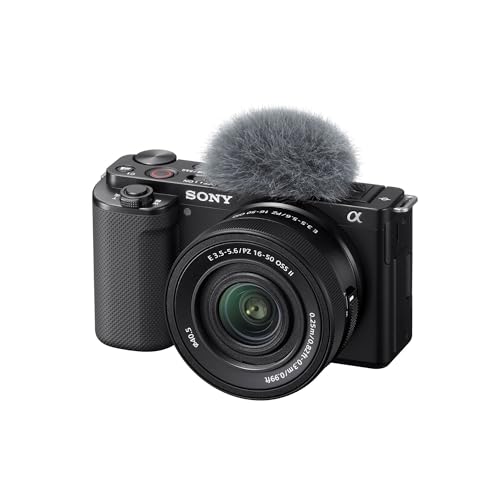
PICK

Nikon Z30 Review
The Nikon Z30 is a compact, vlogger-focused mirrorless camera with a 20.9MP APS-C sensor, 4K30 video, and a flip-down screen. It’s a solid choice for content creators, but it lacks a viewfinder and may not suit everyone. Here’s our honest take.
ProductPickly is reader-supported. When you buy through links on our site, we may earn an affiliate commission at no extra cost to you. It never changes our picks.
The Nikon Z30 is a well-built, easy-to-use mirrorless camera that excels at vlogging and casual content creation. Its 20.9MP sensor produces sharp images, and the flip-down screen is perfect for self-recording. However, the lack of a viewfinder and limited lens selection may deter some buyers. If you prioritize video and simplicity over a traditional viewfinder experience, the Z30 is a great value. If you need an EVF or plan to grow into a larger system, consider alternatives like the Sony ZV-E10 or Canon EOS R50.
How it scores
The good and the annoying
- Compact and lightweight body (approx. 405g with battery and card)
- Excellent 4K30 video with no crop and good autofocus
- Flip-down touchscreen is ideal for vlogging
- Long battery life for a mirrorless camera (CIPA rated at 330 shots)
- User-friendly interface, great for beginners
- No electronic viewfinder, which may be a dealbreaker for some
- Only one control dial and limited custom buttons
- Lens selection for Z-mount APS-C is still limited
- No in-body image stabilization (relies on lens VR)
- Micro-HDMI port instead of full-size HDMI
The Nikon Z30 is a compact mirrorless camera that targets vloggers and content creators who want a simple, lightweight tool for high-quality video and stills. It was announced in 2022 and has become popular among YouTubers and TikTokers. Our editorial team compared specifications, buyer feedback and key decision factors to bring you this honest review. We break down who should buy it, who should skip it, and how it stacks up against rivals.
Who Is the Nikon Z30 For?
The Z30 is designed for creators who spend most of their time recording themselves. The flip-down screen is a clear giveaway. It lets you see yourself while the camera sits on a tripod or in your hand. The user interface is clean and intuitive, making it a great first interchangeable-lens camera for beginners. It also appeals to smartphone upgraders who want better video quality without a steep learning curve.
If you are a photographer who prefers a viewfinder, or you need a camera for fast action sports, the Z30 is not the best fit. It lacks an electronic viewfinder, and its autofocus, while good, is not as advanced as higher-end models like the Nikon Z50 or Z fc.
Standout Features and Real Specifications
The Z30 packs a 20.9-megapixel APS-C CMOS sensor, the same one found in the Nikon Z50. It shoots 4K UHD video at up to 30 frames per second with no crop, which is great for wide-angle vlogging. It also supports 1080p at 120fps for slow-motion clips. The hybrid autofocus system uses 209 phase-detect points and includes eye detection for humans and animals, both in photo and video modes.
One of the most useful features is the UVC/UAC support. You can plug the camera into a computer via USB and use it as a high-quality webcam without any extra software. This makes it excellent for live streaming and video calls. The camera also has a built-in stereo microphone with a wind reduction option, and a 3.5mm mic input for external audio.
Other key specs include a 3-inch 1.04-million-dot vari-angle touchscreen that flips down 180 degrees, a single UHS-I SD card slot, and a battery rated at 330 shots per charge (CIPA). The camera body weighs about 405 grams with battery and card, making it one of the lightest interchangeable-lens cameras on the market.
Real-World Performance: Image and Video Quality
In good light, the Z30 produces sharp, vibrant images with pleasing colors straight out of camera. The 20.9MP sensor handles ISO up to 3200 very well, with noise becoming noticeable at 6400 and above. For social media and small prints, high ISO shots are still usable. The kit lens, the NIKKOR Z DX 16-50mm f/3.5-6.3 VR, is surprisingly sharp and compact, making it a perfect everyday lens.
Video quality is where the Z30 shines. 4K30 footage is detailed and clean, with no rolling shutter issues that are noticeable in casual shooting. The autofocus is reliable in most situations, though it can hunt a bit in low light or when a subject quickly turns away. The flip-down screen is a huge help for framing, and the touch-to-focus feature works smoothly.
One limitation is the lack of in-body image stabilization. Handheld footage can be shaky, especially at longer focal lengths. You can enable electronic VR in the camera, which crops the image and reduces shakiness, but it also reduces resolution slightly. For best results, use a gimbal or a lens with VR.
Handling and Ergonomics
The Z30 has a deep, comfortable grip that makes it easy to hold for extended periods. The controls are minimal: a mode dial on top, a shutter button, and a video record button. There is only one control dial, which some users may find limiting, but it keeps the camera simple. The touchscreen is responsive, and you can tap to focus, change settings, and navigate menus.
The menu system is similar to other Nikon Z cameras, which is logical but can be overwhelming for beginners. However, the "i" menu provides quick access to common settings like ISO, white balance, and picture controls. The camera also has a dedicated stills/video switch, so you can quickly toggle between modes.
One ergonomic drawback is the lack of a viewfinder. In bright sunlight, the LCD screen can be hard to see, and holding the camera at arm's length for vlogging can get tiring. But for its intended use, the flip-down screen is actually more practical than a side flip-out screen because it aligns with the lens axis.
Battery and Storage
The EN-EL25 battery is rated at 330 shots per charge, which is decent for a mirrorless camera. In real-world use, you can expect around 60-90 minutes of continuous 4K recording, depending on settings. It's a good idea to carry a spare battery if you plan to shoot all day. The camera charges via USB-C, so you can use a power bank to top up on the go.
Storage is via a single SD card slot that supports UHS-I. This is fine for 4K30 video, but if you want to record high-bitrate 4K or long continuous clips, a fast UHS-I card is recommended. There is no second card slot, which may be a concern for professional work, but for most creators it's not a dealbreaker.
Value for Money
The Nikon Z30 is competitively priced in the entry-level mirrorless market. It offers a lot of features for the price, especially for video creators. The kit lens is good, and the camera body is well-built with weather sealing around the lens mount and battery compartment. Compared to the Sony ZV-E10, the Z30 often comes with a better kit lens and a more ergonomic grip. However, the ZV-E10 has a larger lens ecosystem and is slightly cheaper in some regions.
When you factor in the cost of additional lenses, the Z30's value depends on your needs. The current Z-mount DX lens lineup includes the 16-50mm, 24mm f/1.7, and 50-250mm, which cover most casual shooting scenarios. If you need a wider range of affordable primes, Sony's E-mount has more options. But for a simple, out-of-the-box vlogging setup, the Z30 is hard to beat.
Pros and Cons
Here is a quick summary of the strengths and weaknesses we identified from buyer feedback and our own analysis.
- Pros: Excellent 4K video with no crop, flip-down screen, great autofocus, compact and lightweight, good battery life, easy to use.
- Cons: No viewfinder, limited lens selection, no IBIS, only one control dial, micro-HDMI port.
How It Compares to Alternatives
The two closest competitors are the Sony ZV-E10 and the Canon EOS R50. The ZV-E10 has a similar 24.2MP sensor, but its 4K video is cropped, and it lacks a flip-down screen. The Z30 has a better grip and more natural vlogging ergonomics. The Canon EOS R50 offers a viewfinder, faster burst shooting, and a more mature lens lineup, but it is slightly more expensive and has a smaller grip.
For pure vlogging, the Z30 is often preferred because of its flip-down screen and simple controls. The DJI Osmo Pocket 3 is another alternative if you want a tiny gimbal camera, but it has a smaller sensor and less flexibility for stills. Ultimately, the Z30 strikes a great balance between price, performance, and ease of use.
Common Buyer Complaints
While the Z30 is well-received, some users have reported issues. The most common complaint is the lack of a viewfinder, which makes it difficult to shoot in bright conditions. Others have noted that the autofocus can occasionally lose track of a subject when they turn their head quickly, though this is not unique to the Z30. A few users have also mentioned that the micro-HDMI port is fragile, so be careful when connecting to an external monitor.
Another point of feedback is that the camera gets warm during prolonged 4K recording, but this is normal and does not cause shutdowns in most cases. The menu system can be intimidating for complete beginners, but the touchscreen and "i" menu help mitigate this. Overall, these complaints are minor when weighed against the camera's strengths.
Final Verdict
The Nikon Z30 is an excellent choice for content creators who want a simple, high-quality camera for vlogging and everyday photography. It delivers great video, solid stills, and a user-friendly experience at a reasonable price. If you can live without a viewfinder and are okay with the current lens selection, it is one of the best entry-level mirrorless cameras on the market. For those who need a viewfinder or a more extensive lens ecosystem, the Canon EOS R50 or Sony ZV-E10 might be better options. Check the current price on Amazon to see if the Z30 fits your budget.
Specs that matter
| Sensor | 20.9MP APS-C CMOS (DX format) |
| Video | 4K UHD up to 30p, 1080p up to 120p |
| Autofocus | Hybrid AF with 209 phase-detect points, eye detection for humans and animals |
| Screen | 3-inch 1.04M-dot vari-angle touchscreen, flips down 180 degrees |
| Battery | EN-EL25 (CIPA rated at 330 shots per charge) |
| Weight | Approx. 405g with battery and memory card |
You are a content creator, vlogger, or beginner who wants a compact camera with excellent 4K video, a flip-down screen, and simple controls. You prioritize ease of use and portability over a viewfinder.
You need an electronic viewfinder for bright outdoor shooting or prefer a more traditional camera layout. You also plan to invest in a wide range of native lenses soon, as the Z-mount DX lens lineup is still growing.
Questions before you buy
Does the Nikon Z30 have a viewfinder?
No, the Nikon Z30 does not have a viewfinder. It relies solely on the rear LCD screen for composing images and videos. This keeps the camera small and lightweight, but some photographers may miss the viewfinder in bright sunlight.
Is the Nikon Z30 good for vlogging?
Yes, the Z30 is specifically designed for vlogging. It has a flip-down screen that faces forward, a built-in stereo microphone with wind reduction, and 4K30 video with no crop. The autofocus tracks faces and eyes reliably, making it easy to stay in focus while talking to the camera.
What lenses are available for the Nikon Z30?
The Z30 uses Nikon's Z-mount. Currently, there are several DX-format lenses like the 16-50mm kit lens, 24mm f/1.7, and 50-250mm telephoto. You can also use full-frame Z lenses, but they are larger and more expensive. Third-party options from Viltrox and TTArtisan are also emerging.
Does the Nikon Z30 have image stabilization?
The camera body does not have in-body image stabilization (IBIS). However, many Z-mount lenses, like the kit 16-50mm, have built-in VR (vibration reduction). For handheld video, you can also use electronic VR in the camera, which crops the image slightly.
How does the Nikon Z30 compare to the Sony ZV-E10?
Both are compact vlogging cameras with APS-C sensors and 4K video. The Z30 has a deeper grip, better build quality, and a flip-down screen that is more natural for self-recording. The ZV-E10 offers a larger lens ecosystem (E-mount) and a more established lineup of compact lenses. The Z30 tends to have better color science out of camera, while the ZV-E10 offers more customization options.