PICK
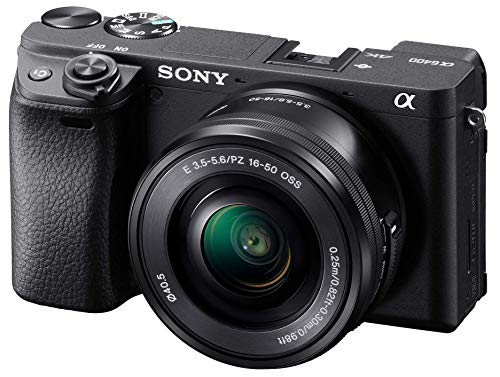
Sony Alpha A6400 Review
An honest look at the Sony Alpha A6400 mirrorless camera: who it's for, standout features, real specs, performance, handling, value, and how it stacks up against rivals like the Fujifilm X-T30 II and Canon EOS R10.
ProductPickly is reader-supported. When you buy through links on our site, we may earn an affiliate commission at no extra cost to you. It never changes our picks.
The Sony Alpha A6400 is a compact APS-C mirrorless camera that excels in autofocus speed and accuracy, making it a top choice for vloggers, content creators, and hybrid shooters. Its 24.2MP sensor delivers sharp images, and the real-time tracking for both humans and animals is genuinely impressive at this price point. The flip-up screen is perfect for self-recording, and the 4K video with no crop is a standout feature. However, the lack of in-body image stabilization and the dated menu system are notable drawbacks. If you prioritize fast, reliable autofocus and video versatility over ergonomics and stabilization, the A6400 is a strong investment. But if you need IBIS or a more intuitive interface, consider alternatives like the Fujifilm X-T30 II or Canon EOS R10.
How it scores
The good and the annoying
- Exceptional real-time autofocus with eye tracking for humans and animals
- Compact and lightweight body, ideal for travel and vlogging
- Flip-up touchscreen is perfect for self-recording and vlogging
- 4K video with no crop and full pixel readout, plus slow-motion 1080p at 120fps
- Large selection of affordable E-mount lenses
- No in-body image stabilization (relies on lens stabilization)
- Menu system is dated and can be confusing for beginners
- No headphone jack for audio monitoring (only with adapter)
- Battery life is below average; expect around 350 shots per charge
- Plastic body feels less premium than some rivals
If you are shopping for a compact mirrorless camera that can handle both stills and video with lightning-fast autofocus, the Sony Alpha A6400 is likely on your radar. Launched in early 2019, it remains a popular choice for vloggers, travel photographers, and hybrid shooters. Our editorial team compared specifications, buyer feedback, and key decision factors to give you an honest assessment of what this camera does well and where it falls short.
Who Is the Sony A6400 For?
The A6400 is designed for creators who need a versatile, portable camera that can keep up with fast-moving subjects. It is an excellent choice for vloggers because of the flip-up screen and reliable face and eye tracking. It also appeals to photographers who shoot a mix of stills and video, such as event coverage, street photography, or travel documentation. If you are upgrading from a smartphone or a basic point-and-shoot, the A6400 offers a significant leap in image quality and creative control.
Who Should Skip It?
If you primarily shoot handheld video and do not want to invest in a gimbal, the lack of in-body image stabilization (IBIS) may be a dealbreaker. The camera relies on lens stabilization, which is not always sufficient for smooth footage. Also, if you prefer a more intuitive menu system and tactile dials, the A6400's menu layout can feel dated and overwhelming. Finally, if you are a professional photographer who needs dual card slots or weather sealing, you should look at higher-end models.
Standout Features and Real Specifications
The A6400 packs a 24.2-megapixel APS-C Exmor CMOS sensor paired with the BIONZ X processor. This combination delivers sharp images with good dynamic range. The autofocus system is the star: 425 phase-detection and 425 contrast-detection points cover 84% of the frame, with Real-time Eye AF for humans and animals. The camera can shoot 11 frames per second with continuous autofocus, which is impressive for action shots.
Video shooters will appreciate 4K recording at up to 30p with full pixel readout and no crop, which means you can use the entire sensor width. There is also 1080p at up to 120fps for slow-motion footage. The flip-up 180-degree touchscreen is a boon for self-recording, and the built-in microphone jack allows for external audio.
Real-World Performance and Image Quality
In everyday use, the A6400 produces vibrant, detailed images with pleasing color rendering. The autofocus is genuinely fast and sticky, even in moderate low light. For portraits, the eye detection locks onto eyes reliably, even when the subject is moving. For wildlife, animal eye tracking works well on dogs and cats, though it may struggle with birds in flight.
Video quality is strong: 4K footage is sharp and detailed, and the lack of crop is a big advantage over some rivals. The 120fps slow-motion is a fun addition, though it requires a fast memory card. One caveat is that the camera can overheat during long 4K recording sessions, especially in warm environments, so keep that in mind for event work.
Handling and Ergonomics
The A6400 has a compact body that is comfortable to hold for small to medium hands. The grip is deep enough for a secure hold, but the button layout is a bit cramped. The menu system is notoriously complex, with many nested options. It takes time to learn, but once you customize the function buttons and the My Menu tab, it becomes more efficient. The touchscreen is responsive, but you cannot use it to navigate the menu, only to select focus points and tap to shoot.
The electronic viewfinder is decent, with 2.36 million dots, but it is not as large or clear as some competitors. The rear screen is fully articulated, which is great for vlogging, but it can get in the way when using the viewfinder.
Battery Life and Storage
The NP-FW50 battery is rated for about 350 shots per charge, which is below average for a mirrorless camera. If you shoot video or use the screen frequently, expect even less. We recommend buying at least one spare battery. On the storage side, the A6400 has a single SD card slot that supports UHS-I. For 4K video, you will need a UHS-I Speed Class 3 card or faster. There is no UHS-II support, which may slow down buffer clearing when shooting bursts.
Value and Alternatives
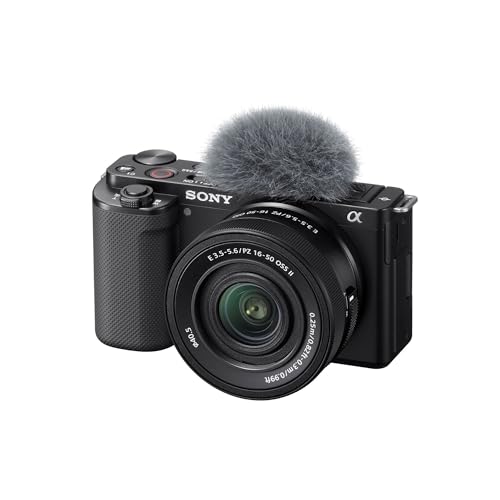
The A6400 is priced competitively, but it is not the cheapest APS-C mirrorless camera. Its closest rivals include the Fujifilm X-T30 II, which offers a more tactile experience and film simulations, and the Canon EOS R10, which has a simpler menu and better ergonomics. The Sony wins on autofocus and video features, but the others are strong contenders depending on your priorities. Also consider the Sony ZV-E10 if you are a dedicated vlogger and want a more affordable option, though it lacks a viewfinder.
Pros and Cons
Pros
- Exceptional autofocus with real-time tracking
- Compact and lightweight design
- 4K video with no crop
- Flip-up screen for vlogging
- Large lens ecosystem
Cons
- No in-body image stabilization
- Dated menu system
- No headphone jack
- Short battery life
- Single SD slot
Common Buyer Complaints
Many users praise the autofocus and image quality, but common complaints include the lack of IBIS, the confusing menu, and the battery life. Some also mention that the plastic body feels less premium than expected. Overheating in 4K is another issue, especially for long recordings. However, most agree that the A6400 is a reliable workhorse for its price.
Final Verdict
The Sony Alpha A6400 is a powerful tool for creators who need speed and versatility. It is not perfect, but its strengths in autofocus and video make it a top choice in its class. If you can live without stabilization and are willing to learn the menu, you will be rewarded with stunning images and smooth 4K footage. Check the current price on Amazon to see if it fits your budget.
Specs that matter
| Sensor | 24.2MP APS-C Exmor CMOS |
| Image processor | BIONZ X |
| ISO range | 100-32000 (expandable to 102400) |
| Autofocus points | 425 phase-detection, 425 contrast-detection |
| Video recording | 4K UHD up to 30p, 1080p up to 120p |
| Viewfinder | 0.39-inch OLED, 2.36M dots |
You are a vlogger, content creator, or hybrid shooter who needs fast, reliable autofocus for moving subjects and 4K video without crop. You also value a compact, lightweight body and access to a wide range of lenses.
You need in-body image stabilization for handheld video or low-light stills, or you prefer a more intuitive menu system. If you shoot primarily stills and want a more tactile experience, consider a Fujifilm camera.
Questions before you buy
Does the Sony A6400 have in-body image stabilization?
No, the A6400 does not have in-body image stabilization. It relies on optical stabilization built into certain lenses, like the kit lens or the 18-135mm. For video, you can use electronic stabilization, but it crops the image.
Is the Sony A6400 good for vlogging?
Yes, the flip-up screen and excellent autofocus make it a favorite for vloggers. The 4K video with no crop is a big plus, and the mic jack allows for external audio. However, you may need a gimbal for smooth handheld footage due to the lack of IBIS.
What is the battery life of the Sony A6400?
The A6400 uses the NP-FW50 battery, which is rated for about 350 shots per charge (CIPA). For video, expect around 70 minutes of continuous recording. It's wise to carry spare batteries for a full day of shooting.
Can the Sony A6400 shoot in low light?
Yes, the APS-C sensor performs well up to ISO 3200, with usable results at 6400. Noise is well-controlled for a crop sensor. However, without IBIS, you'll need faster lenses or a tripod in very low light to avoid blur.
How does the Sony A6400 compare to the Fujifilm X-T30 II?
The A6400 has superior autofocus tracking and video features, while the X-T30 II offers a more tactile control layout, film simulations, and better out-of-camera JPEGs. The Fujifilm also has a slightly higher resolution viewfinder. Choose based on your priorities: AF and video vs. handling and color science.