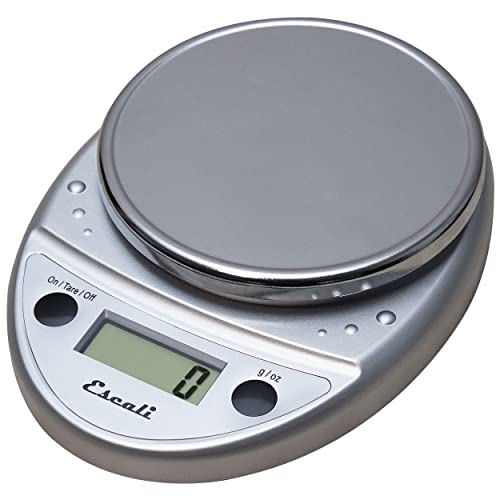
Kitchen scales work for weighing letters if they have 1-gram accuracy and a low minimum weight.
- For frequent mailing, a dedicated postal scale offers better precision and convenience.
- Always round up to the nearest postal weight breakpoint to avoid underpaying postage.
What to Look for in a Scale for Weighing Letters
Accuracy is the top factor. Kitchen scales often have a resolution of 1 gram. That is fine for letters over 20 grams. For thin letters, a 0.1 gram resolution helps. Check the scale's minimum weight, too. Many scales struggle below 2 or 3 grams. Capacity matters less for letters, but a 5 kg limit is common. Look for a tare function to zero out envelopes. A stable platform prevents letters from slipping.
How Accurate Are Kitchen Scales for Letters?
Kitchen scales typically claim accuracy within 1 to 2 grams. That meets postal needs for most letters. The USPS uses a 1-ounce breakpoint, which is about 28 grams. A 1-gram error rarely changes the postage class. However, cheap scales may drift over time. Calibration weights can verify accuracy. Digital scales are more reliable than analog ones. Temperature and battery level can affect readings.
Using Kitchen Scales for Different Mail Types
Standard letters weigh under 1 ounce, so most kitchen scales handle them. Large envelopes and flats can weigh several ounces. Kitchen scales with a 5 kg capacity cover these easily. For small packages, a kitchen scale works if the weight is under its max. But postal scales often have a lower minimum weight. For very light items like a single sheet, a jeweler's scale is better. Always round up to the nearest ounce or gram for postage.
Postal Scale vs Kitchen Scale: Which Is Better?
Postal scales are designed for mail. They have higher accuracy at low weights. Many include a hold function to lock the reading. Kitchen scales lack this, so the weight may fluctuate. Postal scales often show ounces and grams. Some have a built-in ruler for measuring dimensions. For occasional use, a kitchen scale saves money. For a home office, a postal scale is worth the investment.
Tips for Accurate Letter Weighing at Home
Place the scale on a hard, flat surface. Avoid carpet or uneven counters. Calibrate the scale if it has a calibration mode. Use a known weight, like a coin, to check. Zero the scale with the envelope on it, then add contents. This avoids weighing the envelope separately. Keep the scale away from drafts and vibrations. Check the weight twice for consistency.