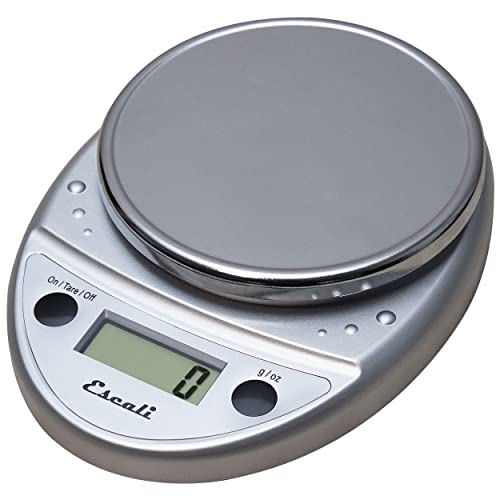
Low batteries, uneven surfaces, and dirty sensors are the top causes of inaccurate kitchen scales.
- Recalibrate with a known weight, clean the scale, and ensure a flat surface to fix most issues.
- Replace the scale if it remains inaccurate after troubleshooting, as internal damage is likely.
Why does my kitchen scale show incorrect weight?
Several factors cause inaccurate readings. The most common is a low battery, which reduces sensor voltage. Uneven surfaces or soft countertops can tilt the scale. Debris or grease on the sensors interferes with weight transfer. Overloading the scale beyond its capacity damages the load cell. Temperature changes can also affect calibration, especially in digital scales.
How to fix a kitchen scale that is inaccurate
Start by replacing the batteries with fresh ones, then turn the scale on and wait for it to zero. Place the scale on a hard, flat surface like a cutting board or granite counter. Clean the scale's feet and platform with a damp cloth, avoiding moisture in the seams. Use the calibration function if available, following the manual's instructions. If no calibration mode, test with a known weight, such as a standard nickel (5 grams).
How to calibrate a kitchen scale step by step
First, turn on the scale and let it warm up for a minute. Press the calibration button, often labeled CAL or MODE, until 'CAL' appears. Place a calibration weight or a known object on the platform. Wait for the display to show the expected value. Remove the weight and turn the scale off. Test with a few items to confirm accuracy.
How to prevent kitchen scale inaccuracies
Always store the scale in a dry, cool place, away from heat sources. Clean it regularly, but never submerge it in water. Avoid dropping or knocking the scale, as impacts can misalign sensors. Use the scale within its maximum capacity, usually between 5 and 11 pounds. Recalibrate every few months, especially if you move or travel with it.
When should you replace your kitchen scale?
If your scale still gives inconsistent readings after recalibration and cleaning, the load cell may be damaged. Check for physical signs like cracks or a bent platform. If the display flickers or shows error codes, internal wiring might be failing. Compare readings with a known weight; if it's off by more than 2 grams, replacement is often more cost-effective than repair. Consider replacing after 5 years of regular use, as sensors degrade.