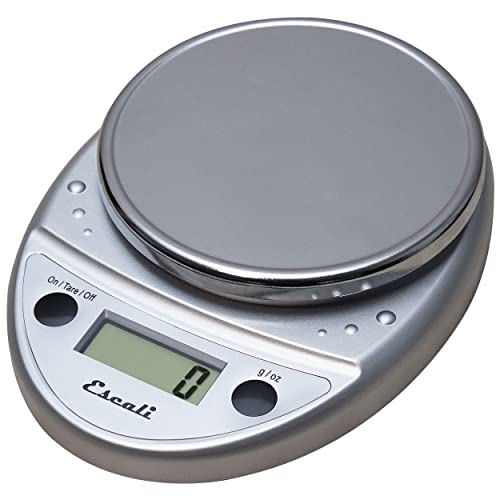
Food scales and kitchen scales are largely the same, but food scales emphasize precision for ingredients.
- Choose a scale with 1-gram accuracy for baking and diet tracking.
- Consider capacity and platform size if you weigh large items.
- Look for tare, unit conversion, and easy-to-read displays.
- Read the specs to ensure the scale meets your specific cooking needs.
What Is the Difference Between a Food Scale and a Kitchen Scale?
The terms are often used interchangeably, but there is a subtle distinction. A food scale is specifically designed for weighing food items, such as ingredients for baking or portion control. A kitchen scale is a broader category that includes any scale used in the kitchen, including food scales, but also scales for weighing mail or small parcels. In everyday usage, most kitchen scales function as food scales because they measure in grams and ounces. The main difference lies in marketing and intended use, not in the hardware itself.
How Do Food Scales and Kitchen Scales Differ in Accuracy and Capacity?
Food scales typically offer higher precision, often measuring in 1-gram or 0.1-ounce increments. Kitchen scales may have larger capacities, such as 11 pounds or 5 kilograms, but might round to the nearest gram or ounce. For baking, a food scale with 1-gram accuracy is preferable. For weighing large cuts of meat, a kitchen scale with a higher capacity is more practical. Check the scale's resolution and maximum weight before buying.
What Features Should You Look for in a Food Scale vs a Kitchen Scale?
Food scales often include features like tare function, unit conversion (grams, ounces, pounds, milliliters), and sometimes nutritional database or Bluetooth connectivity. Kitchen scales may offer simpler functions, such as just grams and ounces, but some have additional modes like milk or water volume. Consider whether you need a scale for diet tracking, then a food scale with portion counting is useful. For general cooking, a basic kitchen scale with tare and unit conversion is enough.
Which Scale Is Best for Baking, Meal Prep, or Weighing Large Items?
For baking, a food scale with 1-gram accuracy is ideal because precise measurements matter. For meal prep, a food scale with portion tracking and a large platform helps weigh multiple containers. For weighing large items like a whole chicken or a big pot, a kitchen scale with a high capacity (10+ pounds) and a wide platform is better. Some scales are marketed as food scales but still handle up to 11 pounds, so check the specs.
Are There Any Edge Cases Where the Difference Matters?
If you need to weigh non-food items, a kitchen scale might be more versatile, but most food scales can also weigh non-food items. For professional chefs, a food scale with high precision and durability is essential. For home cooks, a basic kitchen scale is often sufficient. If you follow recipes that use grams, a food scale with gram mode is crucial. If you only need ounces, a kitchen scale works fine.