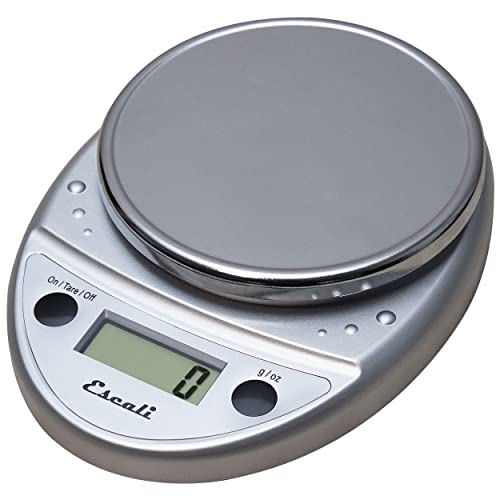
Calibration ensures accurate readings by adjusting the scale’s sensors.
- Digital scales have a calibration mode, while analog scales use a dial or screw.
- Use calibration weights for best results, or coins and water as substitutes.
- Recalibrate regularly, especially after drops or environmental changes.
What Does Calibrating a Kitchen Scale Mean?
Calibration adjusts the scale’s internal sensors to ensure accurate readings. Over time, scales drift due to temperature changes, battery level, or physical shock. A calibrated scale gives consistent measurements for baking and cooking. Most digital scales have a calibration mode, while analog scales use a dial adjustment. Regular calibration extends the scale’s lifespan and reliability.
How to Calibrate a Digital Kitchen Scale
Start by turning the scale on and ensuring it reads zero. Locate the CAL or MODE button, often on the bottom or under the scale. Press and hold it until the display shows CAL or a calibration weight. Place the exact weight specified, such as 500g or 1000g, on the platform. Wait for the display to flash or show PASS. Remove the weight and turn off the scale. Your scale is now calibrated.
How to Calibrate a Kitchen Scale Without Weights
If you lack calibration weights, use everyday objects with known mass. U.S. coins are reliable: a nickel weighs 5 grams, a penny 2.5 grams, and a quarter 5.67 grams. For larger weights, a 1-liter bottle of water weighs 1000 grams. Place the object and use the same calibration procedure. Remember that coin weights vary slightly by year, so check online for exact values. This method works best for scales with a 100-gram calibration option.
How to Calibrate an Analog Kitchen Scale
Analog scales have a dial that can be zeroed manually. Place the scale on a flat surface and turn the zero adjustment knob until the needle points to zero. To test accuracy, place a known weight and see if the needle matches. If not, adjust the knob slightly. Some analog scales have a calibration screw on the back. Use a screwdriver to turn it until the reading is correct. Repeat until accurate.
When Should You Recalibrate Your Kitchen Scale?
Recalibrate your scale every few months or after heavy use. If you notice inconsistent readings, recalibrate immediately. Moving to a new location with different altitude or humidity can affect accuracy. Dropping the scale or exposing it to extreme temperatures also warrants recalibration. For professional bakers, monthly calibration is recommended. Always store the scale in a stable environment to minimize drift.