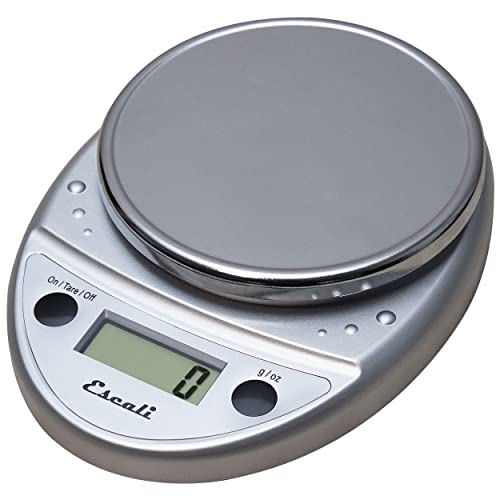
Calibration corrects scale drift and ensures accurate measurements.
- Digital scales use a calibration mode; mechanical scales require manual adjustment.
- Use certified weights for best accuracy, or household items as a rough check.
- Calibrate every few months or after any impact or temperature change.
What Does Calibrating a Kitchen Scale Mean?
Calibration adjusts a scale to ensure its readings match a known standard. Over time, scales drift due to use, temperature changes, or battery issues. A scale that reads 100 grams when 100 grams is placed is accurate. Calibration corrects errors that accumulate. Most digital scales have a calibration mode. Mechanical scales use a physical adjustment.
How to Calibrate a Digital Kitchen Scale
First, turn on the scale and let it warm up for a minute. Press the calibration button, often labeled CAL or MODE. The display will show a weight value, like 500g. Place a calibration weight of that exact mass on the platform. Wait for the reading to stabilize, then press CAL again. The scale will confirm calibration. If no button exists, check the manual for a hidden sequence.
How to Calibrate a Mechanical Kitchen Scale
Mechanical scales have a dial or spring that can be adjusted. Turn the zeroing knob until the needle points to zero with no load. Place a known weight, such as a 1 kg dumbbell, on the platform. If the needle does not align, use a screwdriver to turn the calibration screw. Repeat until the reading matches the weight. Some models have a sliding weight on the beam.
What Weights Can You Use for Calibration?
Calibration weights are the most accurate, but they can be pricey. Household items like coins have known masses, but they vary by country and year. For example, a US nickel weighs 5 grams. A US penny weighs 2.5 grams. Check the exact weight of your coins online. Dumbbells and canned goods are less precise but useful for rough checks. Always use the heaviest weight your scale supports for best accuracy.
How Often Should You Calibrate Your Kitchen Scale?
Calibrate your scale every few months if you bake frequently. If you notice inconsistent readings, calibrate immediately. After moving or dropping the scale, recalibrate. Temperature extremes can also affect accuracy. Some scales have auto-calibration features, but manual checks are still wise. For professional use, calibrate before each big project.