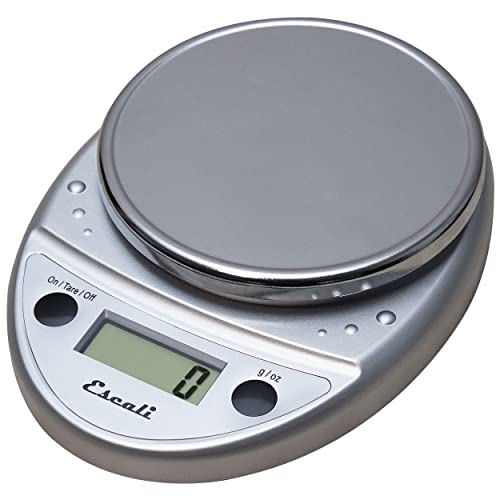
Never submerge a kitchen scale; wipe with a damp cloth instead.
- Remove the platform and clean it separately for a thorough clean.
- Prevent buildup by using a barrier and wiping spills immediately.
- Replace the scale if it shows persistent errors or water damage.
Why do kitchen scales get dirty and damaged?
Kitchen scales collect food crumbs, liquid spills, and dust during daily use. Many models have seams and buttons where debris can get trapped. Submerging a scale in water is the most common cause of damage. Water can seep into the electronics and ruin the sensors. Harsh cleaning chemicals can also strip the finish or corrode the surface. Even wiping with a rough sponge can scratch the display or platform.
How to clean a kitchen scale safely, step by step
First, turn off the scale and remove any batteries. If the platform is removable, take it off and wash it separately with warm soapy water. For the main body, dampen a soft cloth with water and a drop of dish soap. Wring it out well so it's barely damp. Wipe the entire surface, paying attention to buttons and crevices. Use a cotton swab or soft toothbrush to dislodge stuck debris. Dry everything with a clean, dry cloth immediately. Let the scale air dry completely before reinserting batteries.
What should you avoid when cleaning a scale?
Never submerge the scale in water or run it under a tap. Do not use abrasive scrubbers, steel wool, or harsh cleaners like bleach. Avoid spraying cleaner directly onto the scale; it can seep into openings. Do not use vinegar or acidic solutions on the display. Avoid using paper towels that might leave lint or scratch the surface. Never put the scale in a dishwasher, even if the platform is removable.
How to prevent buildup and keep your scale clean longer
Place a sheet of parchment paper or a thin mat on the platform before weighing messy items. Wipe up spills immediately with a dry cloth. Store the scale upright or covered when not in use. Keep it away from steam and heat sources. Calibrate the scale regularly to ensure accuracy, as residue can affect readings. A quick daily wipe with a dry microfiber cloth takes seconds and prevents buildup.
When should you replace your kitchen scale instead of cleaning it?
If the scale shows inconsistent readings or fails to turn on after cleaning, it may be damaged. A cracked display or broken buttons are signs it's time for a new one. If water has entered the interior, the scale is likely beyond repair. Most kitchen scales are inexpensive, so replacement is often more practical than professional repair. Check if the manufacturer offers a warranty if the damage is recent. If the scale is over five years old, upgrading may improve accuracy and features.