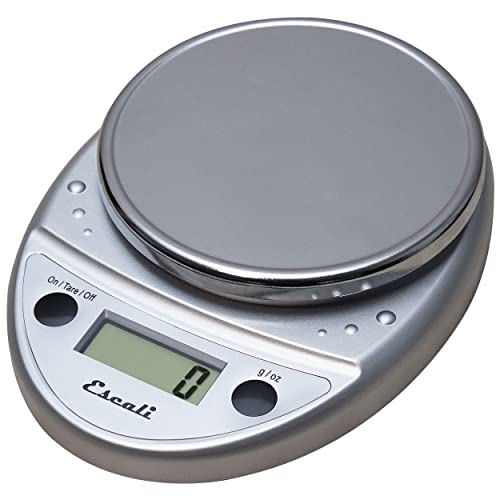
Always remove batteries before cleaning to prevent electrical damage.
- Use a damp microfiber cloth with mild soap, never submerge or use harsh chemicals.
- Dry thoroughly and store in a dry place to extend the scale's life.
Why kitchen scales get dirty and damaged
Kitchen scales collect flour, sugar, and grease during everyday use. Spills can seep into seams and buttons. Moisture is the biggest enemy of digital scales. It can corrode internal circuits and ruin the load cells. Harsh cleaners strip protective coatings. Abrasive scrubbing scratches the surface, which then traps more dirt.
How to clean a kitchen scale safely, step by step
Start by removing the batteries or unplugging the scale. This prevents electrical shorts and accidental power-on. Wipe the entire surface with a damp microfiber cloth. Add a drop of mild dish soap if needed. Avoid getting water into any openings. For sticky spots, use a cotton swab dipped in rubbing alcohol. Dry the scale with a soft, dry cloth immediately. Let it air dry for at least 30 minutes before reinserting batteries. For removable platforms, wash them separately in warm soapy water. Check the manual first, as not all platforms are dishwasher safe.
What to avoid when cleaning your scale
Never submerge a digital scale in water. Even waterproof models have limits. Avoid abrasive sponges, steel wool, and scouring powders. These scratch the finish and can remove printed markings. Do not use bleach, ammonia, or oven cleaner. These chemicals can damage plastic and rubber components. Avoid spraying cleaner directly onto the scale. Spray onto the cloth instead. Do not use a dishwasher for any part unless the manufacturer says so. Steam cleaners are also too harsh for most scales.
How to keep your kitchen scale clean and accurate
Clean up spills immediately to prevent buildup. Use a small brush to sweep crumbs off after each use. Store the scale in a dry place away from the stove. Keep it covered or in a drawer to avoid dust. Calibrate regularly with a known weight. Check the user manual for calibration instructions. Avoid placing heavy objects on the scale when not in use. This can strain the load cells over time.
When to replace your kitchen scale or call a professional
If the scale shows inconsistent readings after cleaning, it may have internal damage. Battery corrosion is a common issue that can be cleaned with vinegar. If the display is foggy or flickering, moisture has likely entered. Professional repair is rarely cost-effective for a kitchen scale. Most scales cost less than a repair service. Replace the scale if it fails calibration or has a cracked platform. Consider a new scale if the buttons stick or the display is unreadable. Safety first: if the scale smells burnt or gets hot, stop using it immediately.